Major Change Coming in Mental Health Diagnoses: Biomarkers Could Transform Treatment
The American Psychiatric Association is exploring how to incorporate biomarkers into mental health diagnoses, potentially revolutionizing how conditions like depression and schizophrenia are diagnosed and treated.
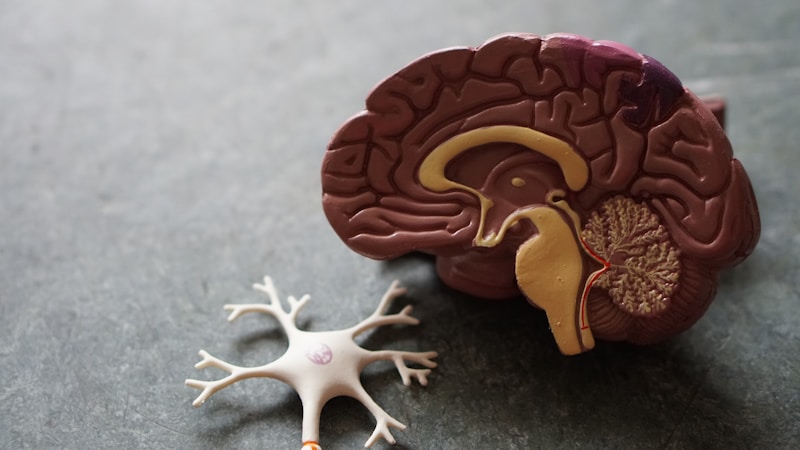
The American Psychiatric Association (APA) is exploring how to incorporate biomarkers into its Diagnostic and Statistical Manual of Mental Disorders (DSM). This could revolutionize mental health care by enabling more objective diagnoses like physical medicine specialties.
The APA's January 2026 paper outlined ideas for incorporating these biological indicators into future DSM versions. Biomarkers could include testing for brain activity, genetic profiles, or immune markers associated with conditions like schizophrenia, substance use disorders, and depression.
Currently, mental illnesses are diagnosed and treated based on outward symptoms, which can lead to a trial-and-error approach for prescriptions. The introduction of biomarkers could streamline insurance coverage decisions and help clinicians make faster, more accurate diagnoses and treatment recommendations.
For instance, about a quarter of depression patients have elevated levels of C-reactive protein, an inflammatory protein detectable by a blood test. Research suggests these individuals might respond better to drugs altering dopamine levels rather than only selective serotonin reuptake inhibitors (SSRIs).
However, psychiatric biomarkers are not yet ready for widespread use, requiring further research for validation and reliability. Concerns exist regarding potential impacts on healthcare costs, insurance coverage, and patient privacy.
Jonathan Alpert, an APA author, noted biomarkers could improve treatment efficiency by matching patients to specific therapies rather than relying on trial-and-error prescribing. Currently, antidepressants only resolve symptoms in about 30% of depression patients, according to a landmark NIMH study.
Andrew Miller, a depression research pioneer, called the APA's biomarker initiative a revolution in the early stages. He noted the shift acknowledges failures in current diagnostic methods.