Gyms Are Becoming Clinical Hubs as Nearly Half of Adults Under 30 Lack a Primary Care Doctor
Nearly half of adults under 30 in the United States do not have a primary care physician, and fitness brands are stepping in to fill the gap. Chains like Equinox and Life Time are integrating bloodwork, DEXA scans, and GLP-1 guidance into memberships, turning gyms into what industry analysts call 'gym-as-clinic' models.
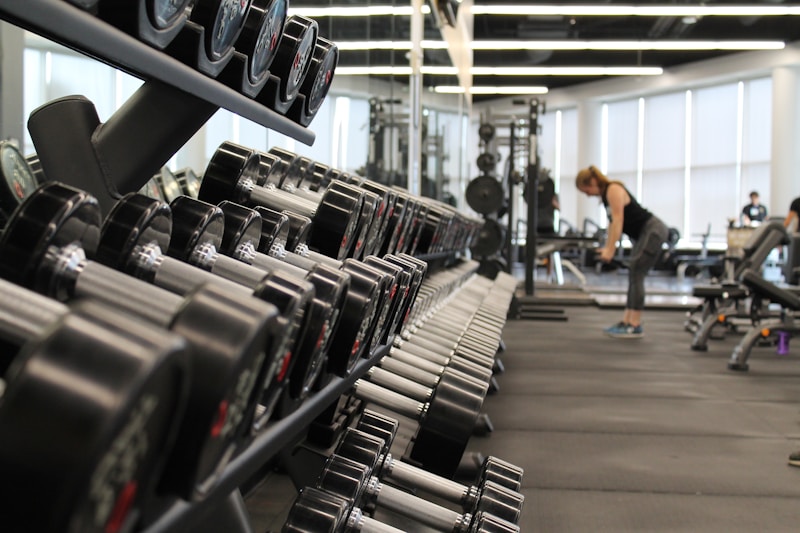
Nearly half of adults under 30 in the United States do not have a primary care physician, and fitness brands are stepping in to fill the gap.
Chains like Equinox and Life Time are integrating bloodwork, DEXA scans, and GLP-1 guidance into their memberships, turning gyms into what industry analysts call "gym-as-clinic" models. For many younger adults, the gym has become their primary wellness destination, a "third place" between home and work where they manage their health.
The shift reflects a broader move toward what analysts describe as "Self-Health," a model where consumers take a more active role in monitoring and managing their own care rather than relying on reactive, appointment-based medicine.
Data-driven rituals are replacing the standard annual physical for many consumers. Startups like Prenuvo are combining whole-body imaging and advanced bloodwork within subscription models, offering what they call "annual rituals" that go beyond what a typical doctor's visit covers.
AI is playing a growing role in this space. OpenAI's ChatGPT Health and Microsoft's Copilot Health have launched specialized health agents designed to help consumers manage their own care, interpret lab results, and track wellness trends over time.
The trend also intersects with the GLP-1 drug boom. As more people use weight-loss medications, gyms are adding services to help members preserve lean muscle mass, a concern for GLP-1 users who can lose muscle alongside fat.
Wearables tracking heart rate variability and recovery scores have become common tools for consumers managing inflammation and monitoring internal health between clinical visits.