Scripps Research Finds Molecular Switch That Drives Brain Inflammation in Alzheimer's Disease
Researchers at Scripps Research have identified a molecular switch that drives chronic neuroinflammation in Alzheimer's disease, involving a protein called STING. The study, published in Cell Chemical Biology, found that blocking a specific chemical modification to STING reduced inflammation and protected synaptic connections in preclinical models.
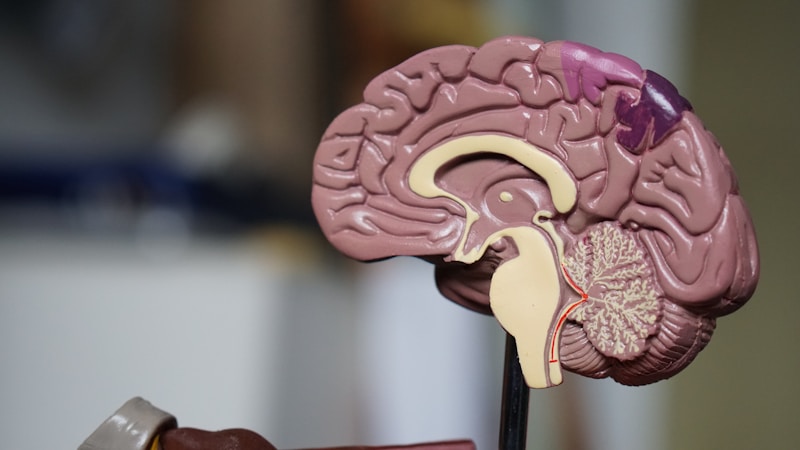
Researchers at Scripps Research have identified a molecular switch that drives chronic neuroinflammation in Alzheimer's disease, offering a new potential target for treatment. The study, published in Cell Chemical Biology in April 2026, centers on a protein called STING, which normally functions as part of the body's innate immune system.
The research team, led by senior author Stuart Lipton, found that STING becomes pathologically overactive in Alzheimer's disease due to a chemical modification called S-nitrosylation at a specific site on the protein known as cysteine 148. This modification can be triggered by aging, environmental toxins such as wildfire smoke and air pollution, and the presence of Alzheimer's-associated protein aggregates like amyloid-beta.
When many proteins undergo this modification simultaneously, it creates what the researchers call a "SNO-STORM," which disrupts normal cellular function and creates a self-sustaining cycle of inflammation. The cycle begins with protein clumps triggering inflammation, which produces nitric oxide, which in turn promotes the modification of STING, which then amplifies the inflammatory response further.
By engineering a version of STING that lacked cysteine 148, the researchers demonstrated they could prevent this modification. In mouse models of Alzheimer's, this intervention significantly reduced neuroinflammation and protected synapses, the connections between nerve cells whose loss is a hallmark of cognitive decline in dementia.
"The key advantage of this approach is its precision," Lipton said. "We are targeting the pathological modification rather than inhibiting the entire STING protein, so the immune system can still perform its normal functions."
The research team is currently developing small molecules capable of blocking the cysteine 148 site for future preclinical evaluation. If successful, these molecules could form the basis of a new class of Alzheimer's treatments targeting neuroinflammation rather than the protein aggregates that have been the focus of most previous drug development efforts.