Louisiana Man Becomes First in Gulf South Functionally Cured of Sickle Cell Disease
Daniel Cressy, 23, of Metairie, Louisiana, was declared functionally cured of sickle cell disease in June 2026 after receiving Casgevy, a CRISPR-based gene therapy. He is the first person in Louisiana and the Gulf South to achieve this outcome and has since founded a nonprofit to help others access similar treatments.
Daniel Cressy, a 23-year-old from Metairie, Louisiana, was declared functionally cured of sickle cell disease in June 2026 after receiving Casgevy, a CRISPR/Cas9-based gene-editing therapy. He is the first person in Louisiana and the Gulf South to reach this milestone.
Cressy had lived with sickle cell disease since infancy, enduring chronic pain and frequent hospitalizations that interrupted his schooling and activities. In 2023, the Federal Aviation Administration told him his condition disqualified him from obtaining a commercial pilot license, the career he had long pursued. That rejection pushed him to seek a curative path.
The treatment process took two years. In late 2025, his hematopoietic stem cells were collected and sent to Scotland for genetic modification. He then underwent chemotherapy at Manning Family Children's Hospital in New Orleans to eliminate his original sickled cells. The modified cells were infused back into his body on March 18, 2026.
By June 2026, his hemoglobin levels had reached healthy highs and doctors found no signs of active sickle cell disease. On June 22, he rang a ceremonial bell at the hospital to mark his functional cure.
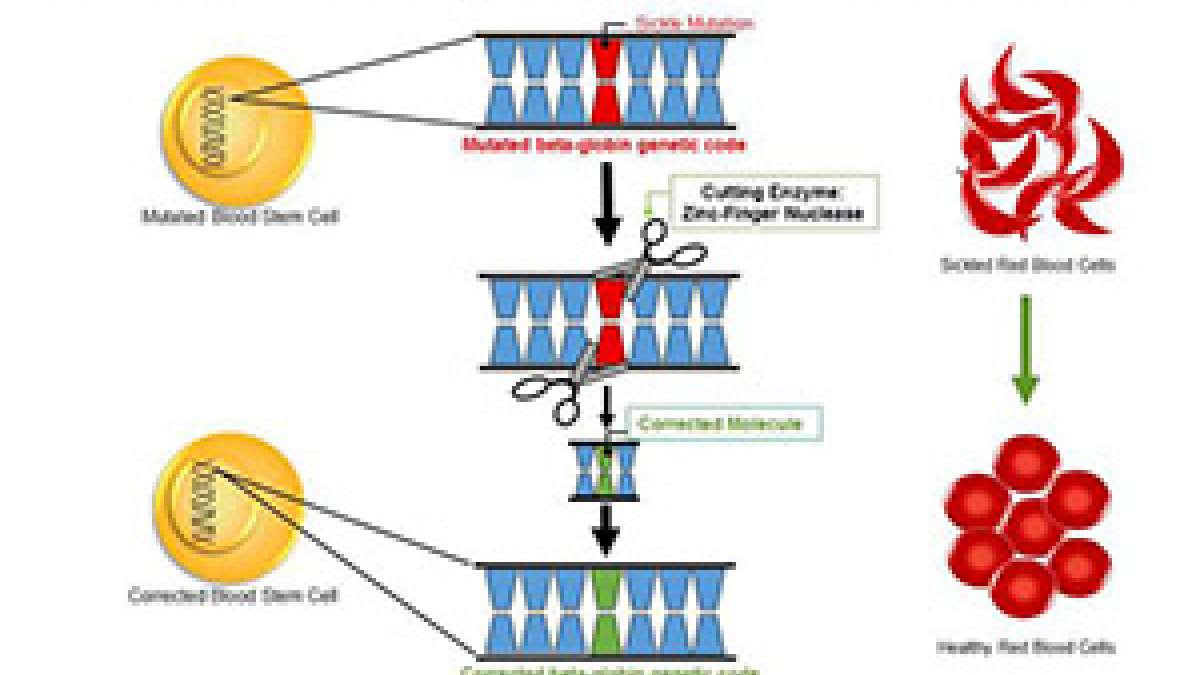
Casgevy is one of the first FDA-approved CRISPR-based therapies for sickle cell disease. It works by editing a patient's own stem cells to increase production of fetal hemoglobin, preventing red blood cells from sickling. Because it uses the patient's own cells, it avoids the immune rejection risks of traditional bone marrow transplants.
The therapy costs between two and three million dollars. Cressy accessed it through Louisiana's Medicaid program after months of navigating administrative requirements. He has since founded the Privileged Pilots Project, a nonprofit to help others facing medical, social, and economic barriers to careers in aviation.