Doctors Warn GLP-1 Users About Dehydration Risk During Summer Heat
Medical experts are warning people taking GLP-1 medications like Ozempic and Wegovy that these drugs suppress thirst signals and slow fluid absorption, raising the risk of heat-related illness during summer. Doctors recommend setting alarms to drink fluids every 60 to 90 minutes rather than waiting to feel thirsty.
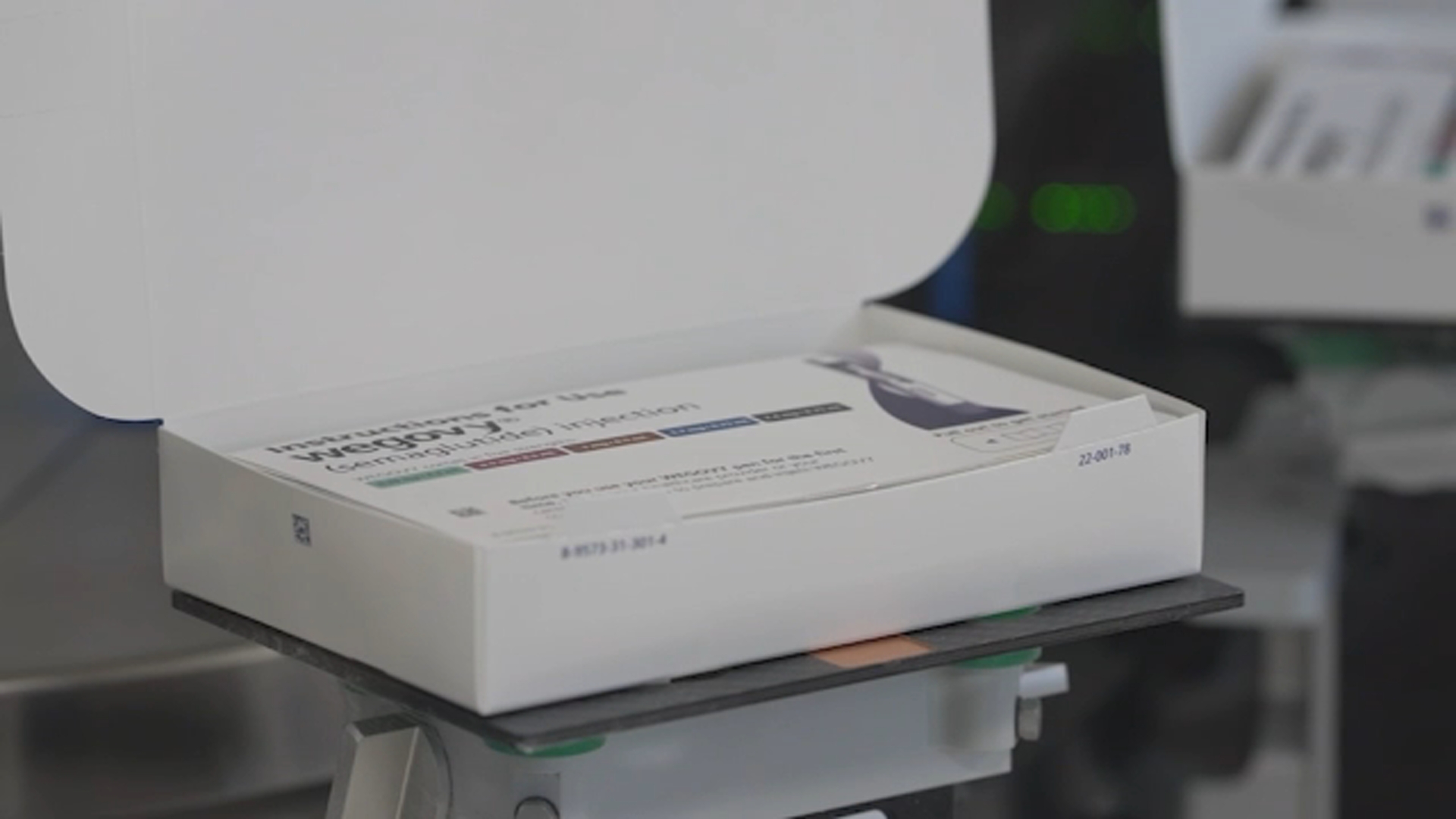
Doctors are warning patients on GLP-1 medications, including Ozempic, Wegovy, and Mounjaro, that these drugs raise the risk of heat-related illness during summer months. The warning comes as temperatures climb across much of the United States in early July 2026.
GLP-1 drugs affect the hypothalamus, the part of the brain that controls both temperature regulation and thirst. Users often do not feel thirsty even when their bodies are dehydrated. The medications also slow gastric emptying, which means fluids are absorbed more slowly than normal. Side effects like nausea, vomiting, and diarrhea can accelerate fluid loss further.
Some research suggests these drugs may reduce production of vasopressin, a hormone that helps the body retain water. They can also lower blood pressure, which, combined with dehydration, increases the risk of dizziness and fainting.
The danger is that users may not feel unwell until their core body temperature has already reached dangerous levels. Signs of heat exhaustion include rapid pulse, nausea, muscle cramps, and lightheadedness. Heatstroke, a medical emergency, can cause disorientation, high fever, and physical collapse.
Doctors recommend that GLP-1 users set alarms to drink fluids every 60 to 90 minutes rather than relying on thirst. Electrolyte drinks are preferred over plain water to replace salts lost through sweating. Patients should avoid outdoor activity during peak heat hours, typically 10 a.m. to 4 p.m.
GLP-1 medications are also sensitive to heat and can degrade if exposed to temperatures above 86 degrees Fahrenheit. Patients should never leave them in a car or in direct sunlight and should use insulated pouches when traveling.