GLP-1 Drugs Like Ozempic Reduce Food Noise by Nearly Four Times More Than Therapy Alone, Study Finds
A study presented at the European Congress on Obesity in May 2026 found that GLP-1 drugs like Ozempic and Mounjaro reduced food noise nearly four times more than behavioral therapy alone over one month. Food noise refers to persistent, intrusive thoughts about food that interfere with healthy eating. Researchers say the finding could help doctors identify early on which patients will respond well to treatment.
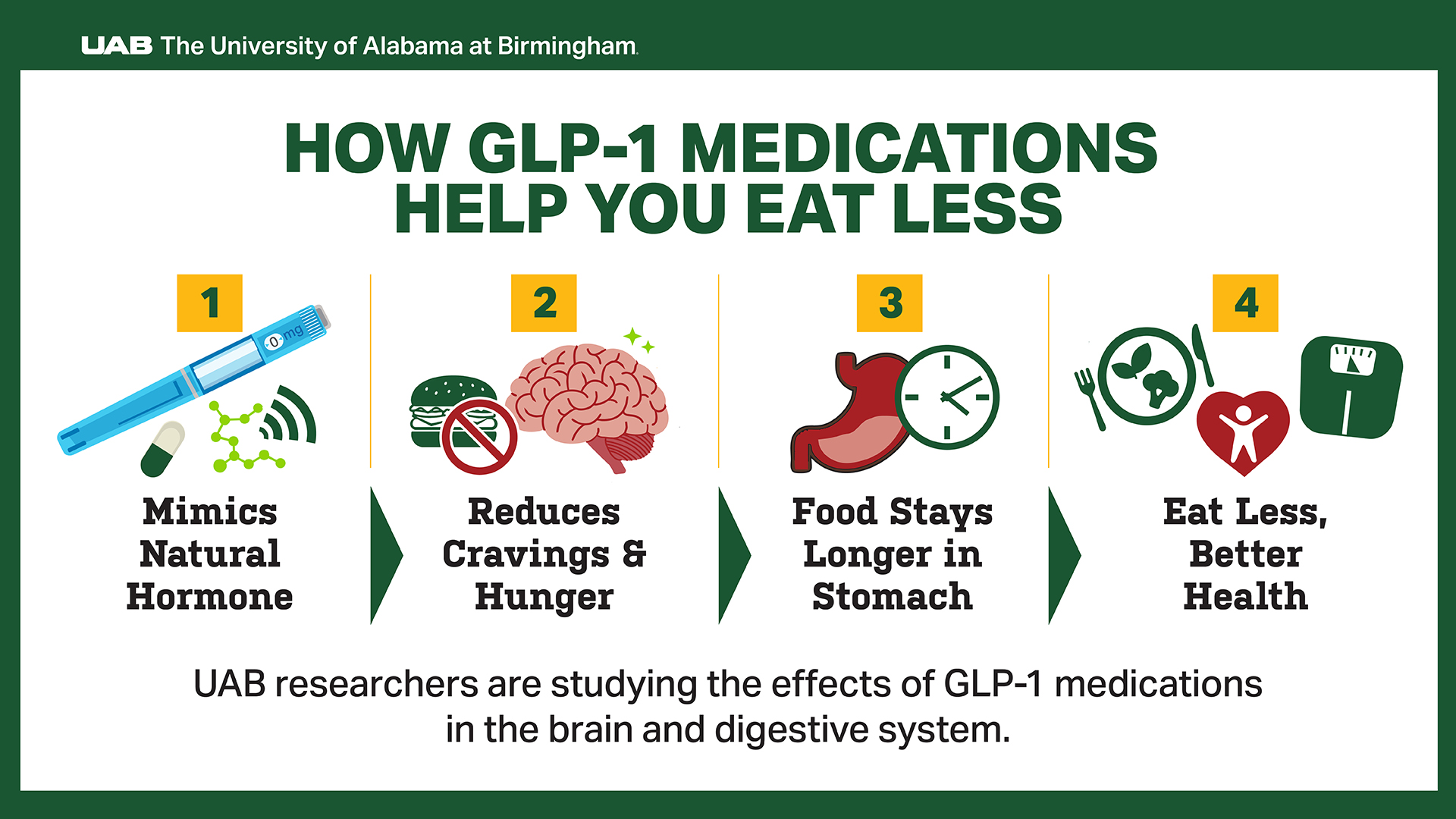
GLP-1 receptor agonist drugs like Ozempic and Mounjaro reduced food noise nearly four times more than behavioral therapy alone, according to a study presented at the European Congress on Obesity in Istanbul, Turkey, from May 12 to 15, 2026.
Food noise is defined as constant, intrusive thoughts about food that disrupt daily life and drive unhealthy eating habits. It is distinct from hunger and is often tied to cravings for ultra-processed foods.
The study followed 417 adults enrolled in a digital behavioral weight management program. Researchers measured changes in food noise over one month using the Food Noise Questionnaire.
Participants who started a GLP-1 drug alongside behavioral therapy saw their food noise scores drop by an average of 4.05 points. Those using behavioral therapy alone dropped by 1.15 points, a difference of 3.0 points.
Researchers said the rapid reduction in food noise could serve as an early signal of how well a patient will respond to treatment overall.
"The freedom from food noise is one of the most commonly reported benefits by patients on GLP-1s," said one expert familiar with the data. "It often matters as much to them as the weight loss itself."
Some patients on GLP-1 drugs also report reduced desire for alcohol and cigarettes, suggesting the medications may affect reward pathways more broadly.
The study population was predominantly white and female, with a mean age of 59 and a mean BMI of 34. Researchers acknowledged the limited diversity as a constraint on how broadly the findings can be applied.
GLP-1 drugs are not without risks. Side effects include nausea and gastrointestinal issues, and many users regain weight after stopping the medication. Cost and access remain barriers for many patients.
Healthline reported on the study findings on May 20, 2026.