Study Finds Brain Health Can Improve Into Your 90s, Challenging Assumptions About Aging
A three-year study of 4,000 adults aged 19 to 94 found that brain health can continue to improve well into old age, challenging the common belief that cognitive decline is inevitable. Researchers said lifestyle factors, including social connection and physical activity, played a significant role.
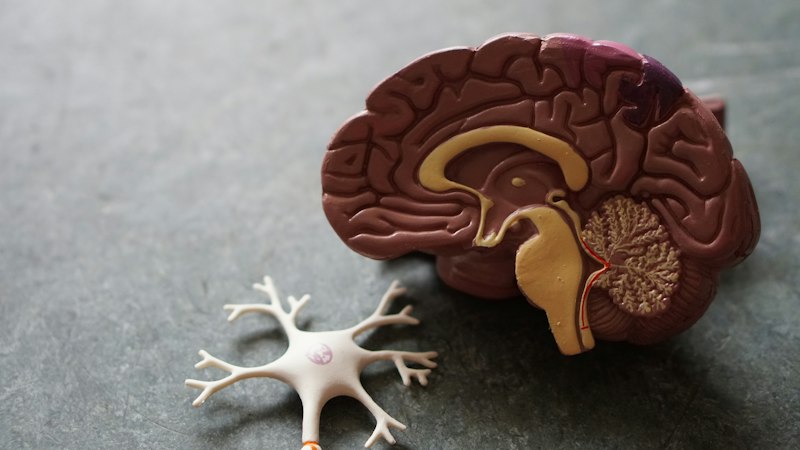
A three-year study tracking 4,000 adults between the ages of 19 and 94 found that brain health can continue to improve well into old age, including into a person's 90s. The findings challenge the widely held assumption that cognitive decline is an inevitable part of aging.
Researchers measured participants on multiple dimensions of brain health, including memory, processing speed, and executive function. They found that many older adults showed improvement over the study period, not just stability or decline.
The study identified several factors associated with better brain health outcomes in older adults. Regular physical activity, strong social connections, and continued engagement in mentally stimulating activities were among the strongest predictors of improvement.
Participants who reported higher levels of loneliness and social isolation showed faster rates of cognitive decline. Researchers said this finding adds to a growing body of evidence that social connection is as important to brain health as physical exercise.
The research team said the results should shift how clinicians and the public think about aging. Rather than accepting decline as inevitable, people can take concrete steps to support brain health at any age.
The study was published in June 2026 and was conducted by researchers at multiple universities. It is one of the largest longitudinal studies of brain health across the full adult lifespan conducted to date.