Going to Museums and Movies May Slow Biological Aging, Study Finds
Research published in July 2026 found that regular participation in cultural activities, such as visiting museums, attending movies, or going to the theater, may slow biological aging. The study adds to a growing body of evidence linking social and cultural engagement to better health outcomes.
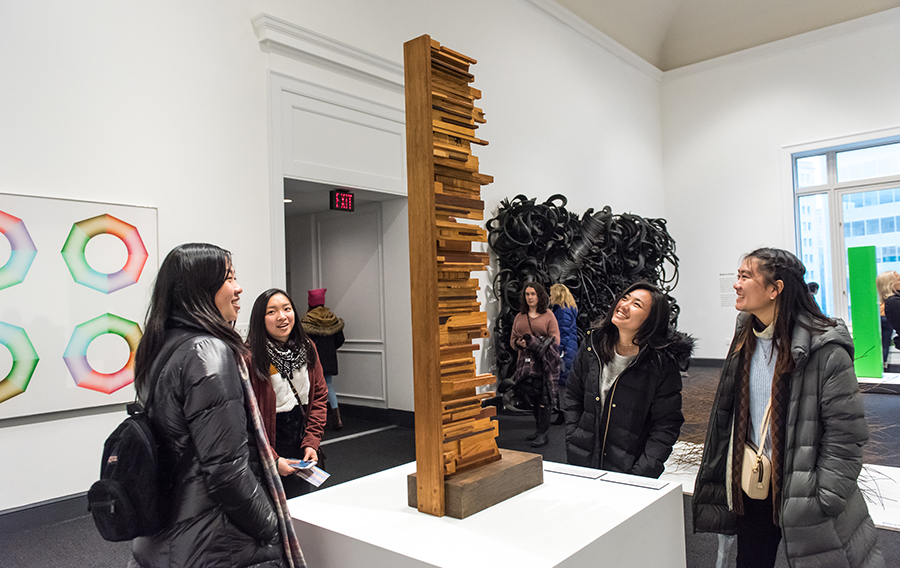
People who regularly attend museums, movies, or theater may age more slowly at the biological level, according to research published in July 2026. The study adds to a growing body of evidence that social and cultural engagement has measurable effects on physical health.
Researchers analyzed data from a large group of adults and found that those who participated in cultural activities on a regular basis showed markers of slower biological aging compared to those who did not. The findings held even after accounting for other lifestyle factors like exercise and diet.
Biological aging, measured through markers such as telomere length and epigenetic clocks, does not always match chronological age. Lifestyle choices, stress levels, and social connection all influence how quickly the body ages at the cellular level.
The study did not establish a direct cause-and-effect relationship, but researchers suggested several possible explanations. Cultural activities tend to reduce stress, stimulate cognitive function, and provide social connection, all of which are associated with better health outcomes.
Previous research has linked loneliness and social isolation to faster biological aging and higher rates of chronic disease. Cultural participation may counteract some of those effects by keeping people mentally engaged and socially connected.
The findings were reported by Healthline and covered by ScienceDaily in July 2026. Researchers said the results suggest that access to cultural activities should be considered part of a broader approach to public health, not just entertainment.