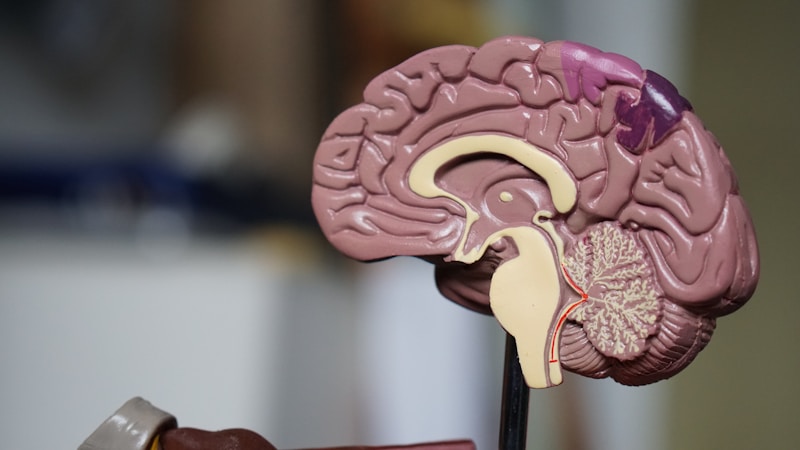
Men Account for 80 Percent of Suicide Deaths but Only 17 Percent Seek Therapy, Data Shows During Men's Mental Health Month
June is Men's Mental Health Month, and new data shows men account for nearly 80 percent of all suicide deaths in the United States while only 17 percent seek professional therapy, compared to 28.5 percent of women. Experts say depression in men often looks different, presenting as anger, overwork, or substance use rather than sadness.

June marks Men's Mental Health Month, and the numbers behind the observance are stark. Men account for nearly 80 percent of all suicide deaths in the United States. Yet only 17 percent of men seek professional therapy, compared to 28.5 percent of women.
Experts say the gap is not simply about willingness. Depression in men often presents differently than it does in women. Instead of sadness or withdrawal, men are more likely to show irritability, anger, overwork, substance abuse, or risk-taking behavior. Those symptoms are easier to miss or dismiss.
Men's Health Week runs from June 15 to 21, 2026, as part of the broader month-long observance. Health advocates are using the period to push for better screening tools and more accessible care options for men who would not typically walk into a therapist's office.
A new mental health crisis center operated by Seven Counties is scheduled to open in Louisville in July 2026, with plans to move to 24-hour operations within the year. The center is designed to serve as an alternative to jails and hospitals for people experiencing acute mental health crises.
At the federal level, SAMHSA's Statewide Consumer Network grants, with a June 24 application deadline, aim to strengthen peer-run mental health organizations that often serve men who resist clinical settings.
Advocates say the first step is changing how men talk about mental health, not just among themselves but with their doctors, families, and employers. The data suggests the current approach is not reaching enough people.