Study Finds Drinking Alcohol Increases Cravings for Ultra-Processed Foods
A new study published in June 2026 found that drinking alcohol significantly increases cravings for ultra-processed foods, adding to evidence that the two habits reinforce each other. Healthline reported the findings on June 9, noting that the combination may contribute to weight gain and metabolic health problems.
A new study published in June 2026 found that drinking alcohol significantly increases cravings for ultra-processed foods, adding to evidence that the two habits reinforce each other. Healthline reported the findings on June 9, noting that the combination may contribute to weight gain and metabolic health problems.
Researchers found that alcohol consumption activates reward pathways in the brain that also respond to high-fat, high-sugar foods. The result is that people who drink are more likely to reach for chips, fast food, and other processed snacks in the hours after drinking, even if they are not physically hungry.
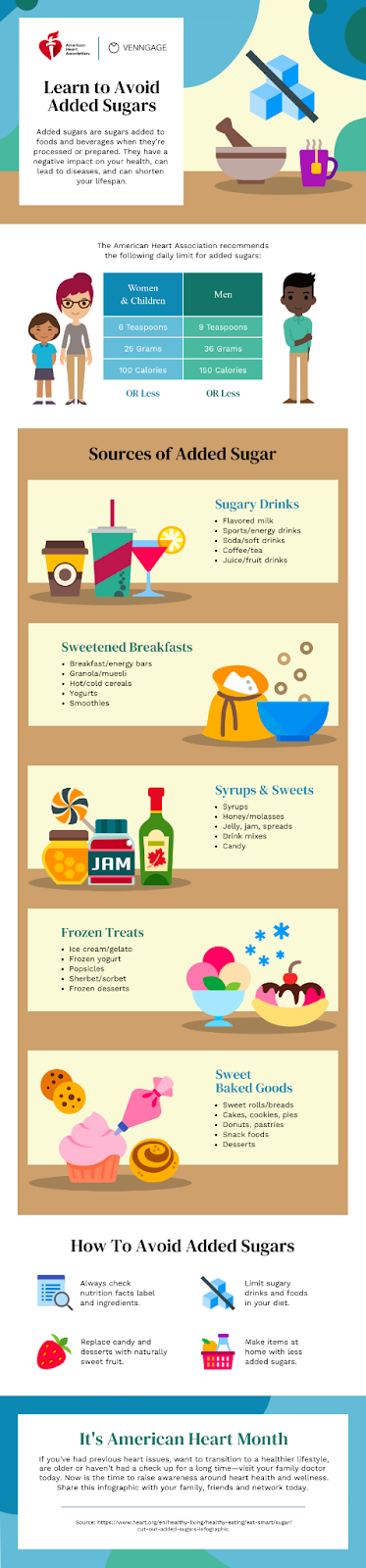
Ultra-processed foods, which include items like packaged snacks, sugary drinks, and fast food, have been linked in multiple studies to increased risks of obesity, type 2 diabetes, cardiovascular disease, and certain cancers. A separate study reported by Healthline in the same week found that regular consumption of ultra-processed foods is associated with decreased focus and cognitive performance.
The new research adds a behavioral dimension to the health risks of alcohol. Beyond the direct effects of alcohol on the liver, heart, and brain, the study suggests that drinking may indirectly worsen diet quality by triggering cravings for foods that are themselves harmful.
Nutritionists say the findings are a reminder that health behaviors rarely operate in isolation. Alcohol consumption, poor sleep, stress, and ultra-processed food intake tend to cluster together, and addressing one without the others often produces limited results.
The study did not specify a minimum amount of alcohol needed to trigger the effect, but researchers noted that even moderate drinking appeared to increase cravings. They called for more research into the neurological mechanisms behind the link.