Fentanyl Vaccine Enters First Human Trials in Netherlands as Opioid Crisis Continues
A fentanyl vaccine developed by Dr. Colin Haile at the University of Houston and licensed by ARMR Sciences entered Phase 1 human clinical trials in the Netherlands in January 2026. The trial involves 40 participants and is focused on evaluating safety and the generation of anti-fentanyl antibodies. If successful, the vaccine could offer a new tool to prevent overdose deaths among people who use opioids.
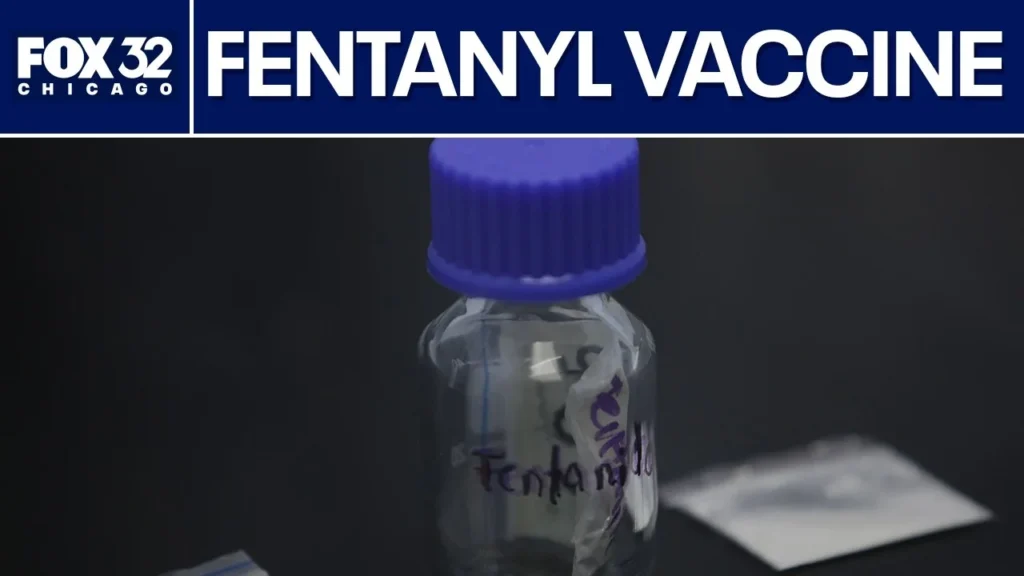
A fentanyl vaccine developed by Dr. Colin Haile at the University of Houston and licensed by the startup ARMR Sciences entered Phase 1 human clinical trials in the Netherlands in January 2026.
The trial involves 40 participants and is focused on evaluating the safety of the vaccine and its ability to generate anti-fentanyl antibodies in humans.
The vaccine uses a synthetic fentanyl fragment conjugated with immune-boosting compounds, including CRM197 and dmLT, to trigger the production of antibodies that sequester fentanyl in the bloodstream before it can reach the brain.
If the antibodies work as intended, a person who has been vaccinated and then uses fentanyl would experience significantly reduced or no euphoric effect, which could reduce the risk of addiction and overdose.
"The idea is to give people a biological defense against fentanyl," Haile said in earlier interviews. "If the drug cannot get to the brain, it cannot cause an overdose."
Fentanyl is a synthetic opioid approximately 100 times more potent than morphine. It is responsible for the majority of the more than 70,000 opioid overdose deaths that occur in the United States each year.
The Netherlands was chosen for the Phase 1 trial in part because of its established regulatory framework for drug trials and its experience with harm reduction approaches to drug use.
Phase 1 trials are primarily designed to assess safety, not effectiveness. If the vaccine proves safe and generates the expected immune response, it would move to Phase 2 trials, which would test its effectiveness in preventing overdose.
Researchers caution that even if the vaccine proves effective, it would be one tool among many in addressing the opioid crisis. Medication-assisted treatment with buprenorphine or methadone, behavioral therapy, and harm reduction measures like naloxone distribution would remain essential components of a comprehensive response.