June Is Men's Mental Health Awareness Month, and the Numbers Are Stark
June marks Men's Mental Health Awareness Month, with health organizations drawing attention to the fact that men account for nearly 80 percent of suicide deaths in the United States. National Men's Health Week ran from June 14 to 20, focusing on preventive care and mental health screenings. Advocates say the biggest barrier to men seeking help remains stigma.
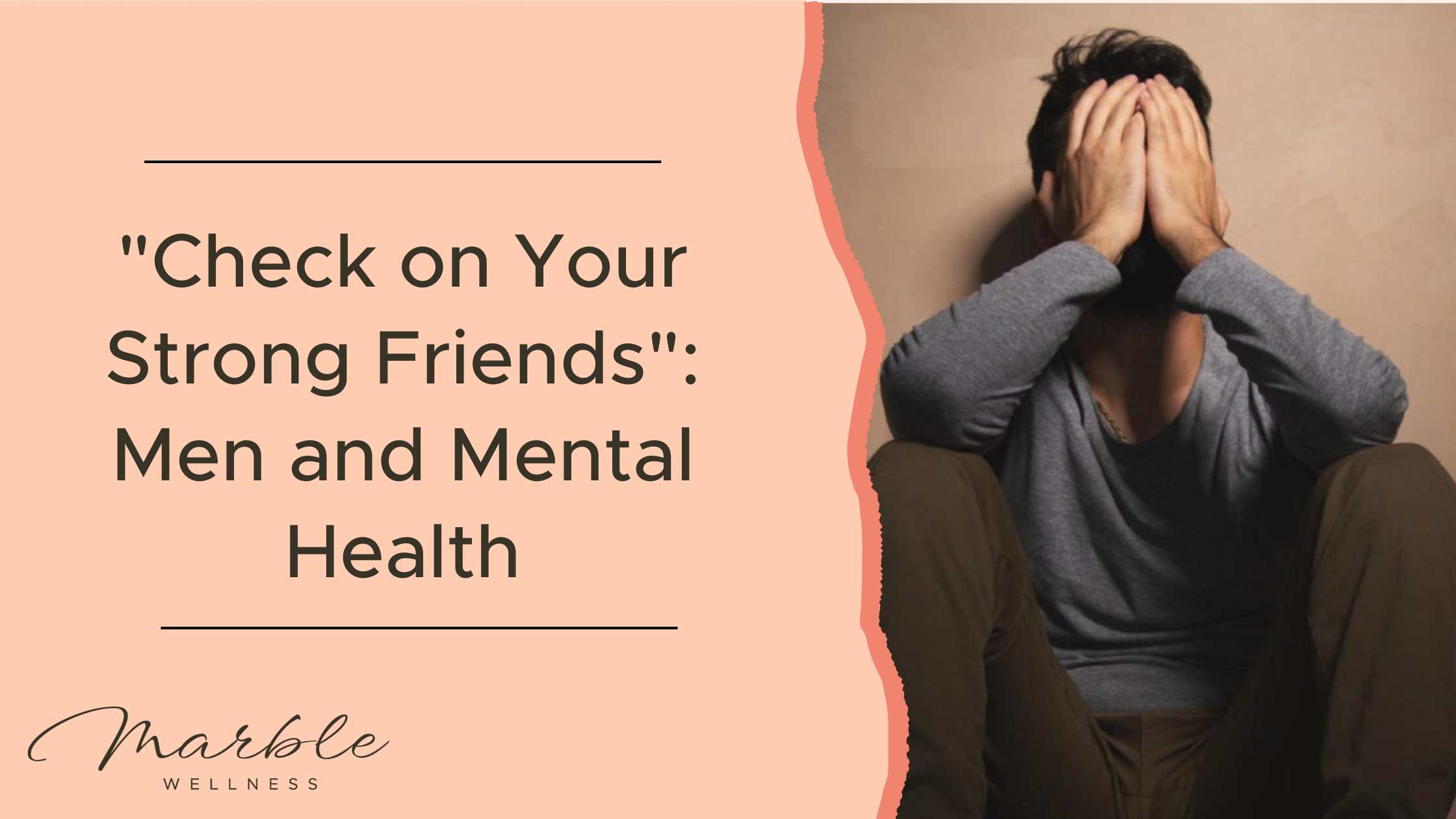
June is Men's Mental Health Awareness Month, and health organizations across the country are using the occasion to highlight a persistent and deadly gap: men account for nearly 80 percent of suicide deaths in the United States each year, yet they are far less likely than women to seek mental health treatment.
National Men's Health Week, observed from June 14 to 20, served as a focal point for outreach campaigns urging men to schedule checkups, talk to their doctors about mental health, and reach out to friends and family who may be struggling.
The statistics behind the awareness push are sobering. Men are four times more likely than women to die by suicide, according to the Centers for Disease Control and Prevention. Rates are highest among middle-aged men, particularly those who are divorced, unemployed, or socially isolated.
Health experts say the core problem is cultural. Many men are raised to equate asking for help with weakness, a belief that can prevent them from seeking treatment even when they are in serious distress. Organizations like Pillar Health and the Kenosha Community Health Center have been running campaigns that reframe help-seeking as a sign of strength.
The 988 Suicide and Crisis Lifeline, which launched in 2022, has seen steady growth in call volume. The line is available 24 hours a day and connects callers with trained counselors. Text and chat options are also available for those who prefer not to speak by phone.
Workplace wellness programs have also expanded their focus on men's mental health. Several large employers have added peer support programs and mental health days to their benefits packages, recognizing that untreated mental illness costs companies billions of dollars annually in lost productivity.
Advocates say the goal is not just to get men into therapy, but to build communities where men feel comfortable talking about their struggles before they reach a crisis point.