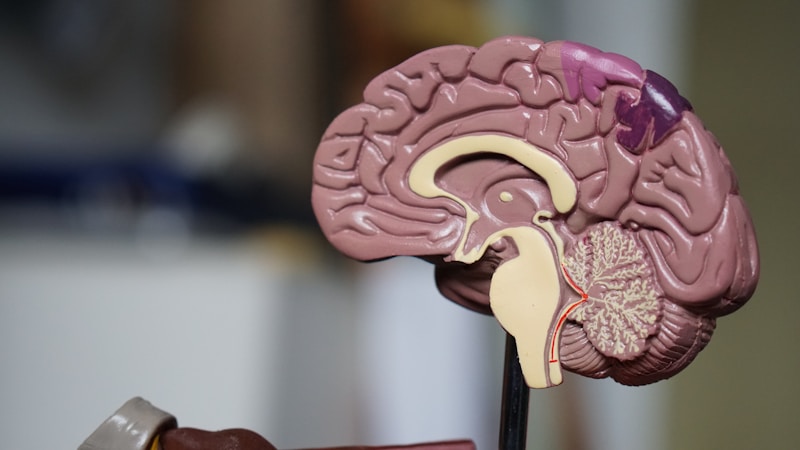
Scientists Identify How Metformin Affects the Brain's Blood Sugar Control Center
Researchers published findings in July 2026 showing that metformin, a widely used diabetes drug, directly affects the brain's hypothalamus, the region that regulates blood sugar. Separately, scientists identified potential Alzheimer's disease tipping points, specific biological thresholds at which the disease accelerates. Both studies were highlighted by Science Daily as significant advances in understanding brain health.
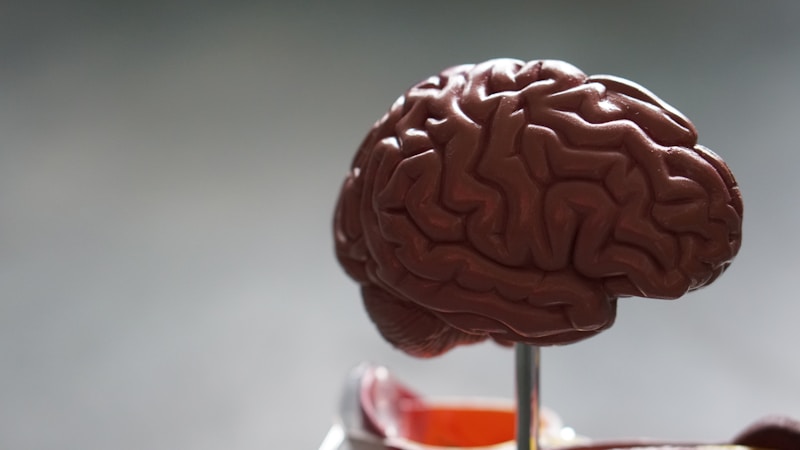
Scientists have identified how metformin, one of the most widely prescribed diabetes medications in the world, directly affects the brain's blood sugar control center, according to research highlighted by Science Daily in July 2026.
The study found that metformin acts on the hypothalamus, the brain region responsible for regulating blood sugar, appetite, and energy balance. Researchers had previously understood metformin's effects primarily through its action on the liver, but the new findings suggest the brain plays a more direct role in how the drug works.
The discovery could have implications for how metformin is used and for the development of new treatments for metabolic conditions. It may also help explain why some patients respond differently to the drug.
In a separate line of research, scientists also identified potential "tipping points" in Alzheimer's disease, specific biological thresholds at which the disease appears to accelerate. The findings suggest that certain molecular changes in the brain may trigger a cascade of damage that is difficult to reverse once it begins.
Identifying these tipping points could help researchers develop interventions that work best when applied before the threshold is crossed, rather than after symptoms appear.
Both studies were part of a broader wave of neuroscience research published in July 2026 that also included findings on the APOE2 gene's potential protective effects against stress-related brain damage and new data on how lifestyle factors influence biological aging.