Wellness Clinics Begin Offering Microplastic Reduction Treatments as Awareness Grows
Some wellness clinics are now offering treatments designed to reduce microplastic loads in the body, moving beyond awareness campaigns to active intervention. The Global Wellness Summit's 2026 report identifies microplastics as a growing focus area for the health and wellness industry.
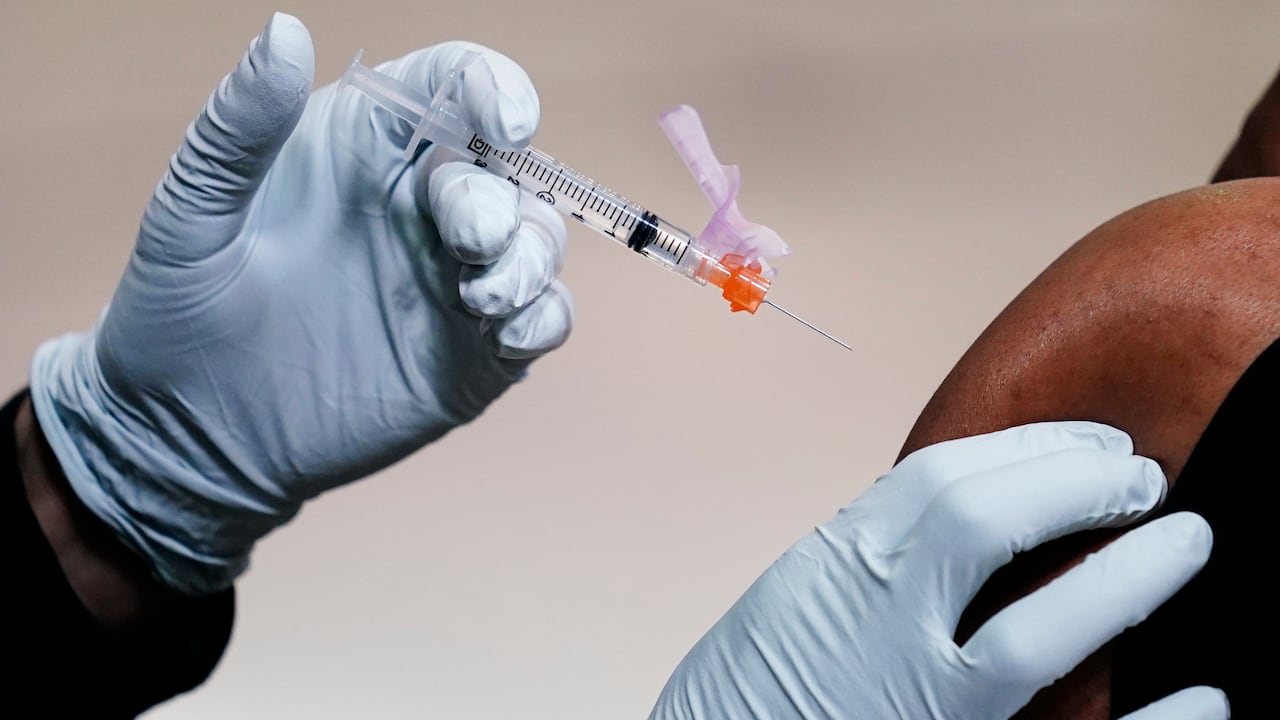
Some wellness clinics have begun offering treatments aimed at reducing microplastic accumulation in the body, a shift from raising awareness about the problem to actively addressing it.
The Global Wellness Summit's 2026 trends report, released in June, identifies microplastics as one of the year's key health concerns. The report notes that the wellness sector is moving from education to intervention, with clinics developing protocols to help patients reduce their microplastic exposure and load.
Microplastics are tiny plastic particles that enter the body through food, water, and air. Research published in recent years has found microplastics in human blood, lungs, and even brain tissue. The long-term health effects are still being studied, but early findings have raised concerns among researchers and the public.
Treatments being offered at some clinics include dietary protocols designed to reduce plastic exposure, sauna therapy to support detoxification, and specific supplements that some practitioners believe help the body process and eliminate plastic particles. The scientific evidence for these interventions varies, and mainstream medicine has not yet endorsed specific treatments.
"We are in early days," said one integrative medicine physician. "But the demand from patients is real, and we are doing our best to respond with evidence-based approaches where they exist."
The report also noted that consumer demand for plastic-free packaging and products has accelerated in 2026, with several major food and beverage companies announcing plans to reduce plastic in their supply chains.
Public health advocates say the focus on individual treatments should not distract from the need for systemic change. "The real solution is reducing plastic production at the source," said one environmental health researcher.