Gardening Is Surprisingly Good for Your Brain, New Research Shows
A new Washington Post report published April 8, 2026 reveals that gardening may be one of the most beneficial activities for brain health, challenging the brain and reducing stress in ways that may help stave off cognitive decline. The simple springtime activity engages multiple cognitive functions simultaneously, from planning and problem-solving to sensory stimulation. Experts say gardening's combination of physical activity, mental engagement, and stress reduction makes it a powerful tool for maintaining mental sharpness as we age.
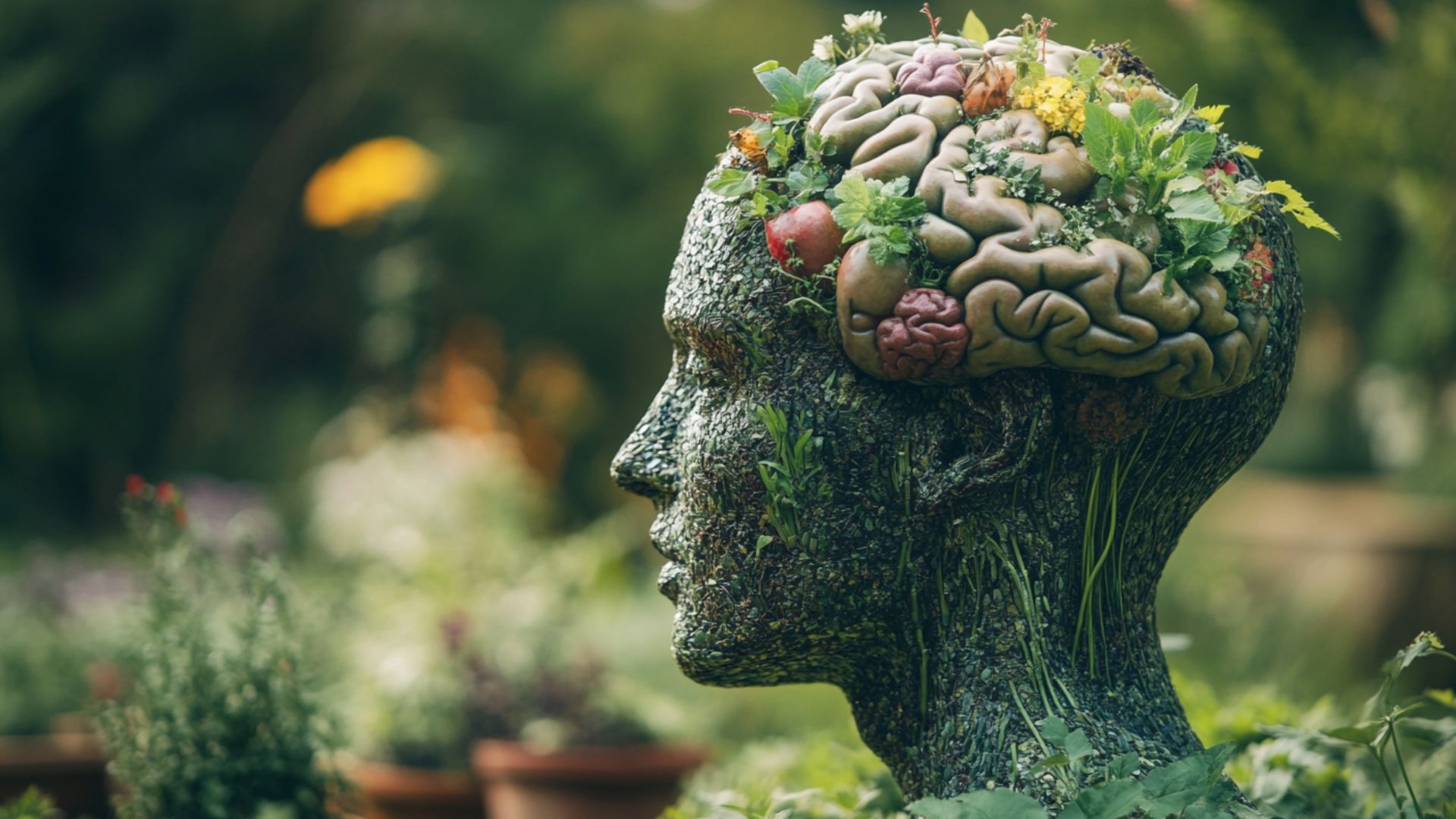
A new report published by The Washington Post on April 8, 2026, reveals that gardening may be one of the most beneficial activities for brain health, challenging the brain and reducing stress in ways that may help stave off cognitive decline. Written by health journalist Cheyenne Buckingham, the report notes that when most people think about ways to stay mentally sharp as they age, putting their hands in soil is probably not one of the first strategies to come to mind, but as it turns out, gardening may actually be highly beneficial for brain health. Gardening engages multiple cognitive functions simultaneously, including planning and sequencing tasks, problem-solving when plants face challenges, learning new information about plants and techniques, and sensory stimulation through touch, smell, and sight. The physical activity involved in gardening also contributes to brain health, as exercise is one of the most well-established ways to support cognitive function. Research has consistently shown that regular physical activity increases blood flow to the brain, promotes the growth of new brain cells, and reduces inflammation. Additionally, gardening has been shown to significantly reduce stress levels, which is important because chronic stress can damage the brain over time. The report comes amid a broader focus on brain health in 2026, with individuals increasingly seeking out brain-boosting activities, cognitive training, and lifestyle factors like exercise, sleep optimization, and stress management to support cognitive resilience. This finding aligns with April being observed as World Health Month, emphasizing prevention and sustainable health practices.