AI Wearable Patch Detects Heart Arrhythmias With 99.6 Percent Accuracy
Researchers at the University of Chicago developed a stretchable AI patch that detects life-threatening heart arrhythmias with 99.6 percent accuracy. The device processes data directly on the skin in milliseconds, without sending information to a cloud server. The findings were published in Nature Electronics in May 2026.
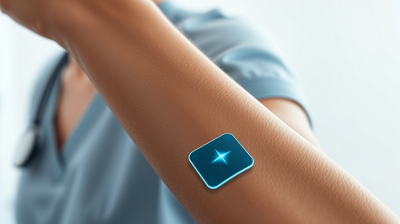
Researchers at the University of Chicago Pritzker School of Molecular Engineering built a skin-like AI patch that can detect life-threatening heart arrhythmias with 99.6 percent accuracy. The device processes data directly on the body in milliseconds, bypassing the delays that come with wireless data transfer.
The patch uses neuromorphic computing through organic electrochemical transistors. These components work similarly to brain synapses, storing information within the material itself rather than relying on a separate memory chip. The result is a device that can identify dangerous cardiac rhythms fast enough to matter in an emergency.
Researchers published their findings in Nature Electronics on May 20, 2026. The team used a polymer gel that hardens under ultraviolet light to manufacture the device, a method compatible with standard photolithography. The process allows for up to 10,000 transistors per square centimeter.
The patch maintained its 99.6 percent accuracy even when stretched to more than 1.5 times its original length, a key requirement for a device worn on moving skin.
Beyond arrhythmia detection, the patch was tested for heart attack risk prediction. By analyzing ECG readings, cholesterol, blood sugar, and maximum heart rate together, the embedded neural network predicted heart attack probability with 83.5 percent accuracy.
Researchers are now working to add stretchable wireless communication systems and additional sensors. The long-term goal is a self-contained health monitoring platform for conditions including epilepsy, diabetes, and critical care.