Prebiotic Sodas May Contain More Sugar and Less Fiber Than Advertised
A study presented at NUTRITION 2026 found that prebiotic sodas often contain more sugar and fewer fiber benefits than their marketing suggests. Researchers analyzed 108 prebiotic sodas and found they contain more calories and sugar than diet sodas and flavored sparkling water. Experts say the 'prebiotic' label creates a health halo that can mislead consumers.
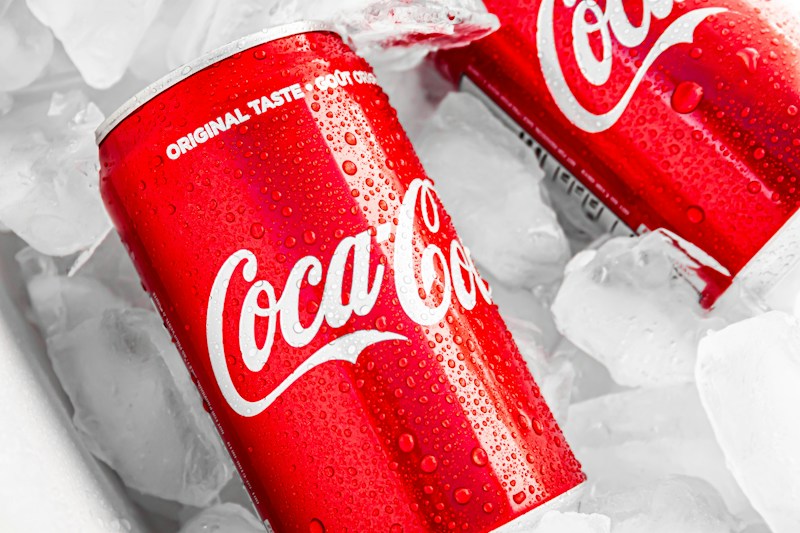
Prebiotic sodas may not deliver the gut health benefits their labels promise, according to a study presented at the NUTRITION 2026 annual meeting in Washington, D.C., July 25-28.
Researchers from the University of North Carolina at Chapel Hill analyzed 108 prebiotic sodas launched in the United States between 2021 and 2025. They found that a standard 12-ounce can contains, on average, 35 calories, 5 grams of sugar, and 5 grams of fiber.
While those numbers look modest, the researchers found that prebiotic sodas contain more calories and sugar than diet sodas and flavored sparkling water. They contain less than regular sodas and fruit drinks, but the comparison matters depending on what a consumer is replacing.
"If they replace regular soda or fruit drinks, they may help reduce calorie and sugar intake," said lead author Carlos R. Soto Diaz, a PhD candidate at UNC Chapel Hill. "But they may increase intake when they replace diet soda or flavored sparkling water."
The fiber content varied widely, ranging from 2 to 9 grams per can. Some products use "no added sugar" claims while still containing significant sugar from fruit juice, which is legal but can mislead shoppers.
Monique Richard, a registered dietitian nutritionist, said the word "prebiotic" on a label can make consumers assume a product is healthier than it is. "When a can says 'prebiotic,' 'fiber,' 'gut health,' or 'plant-based,' it can be very easy to mentally translate that into 'healthy,'" she said.
Rudolph Bedford, MD, a gastroenterologist at Providence Saint John's Health Center in Santa Monica, said the sodas are not a scam but are not equivalent to a high-fiber diet. "Some marketing can make them seem more beneficial than what this study and the evidence support," he said.
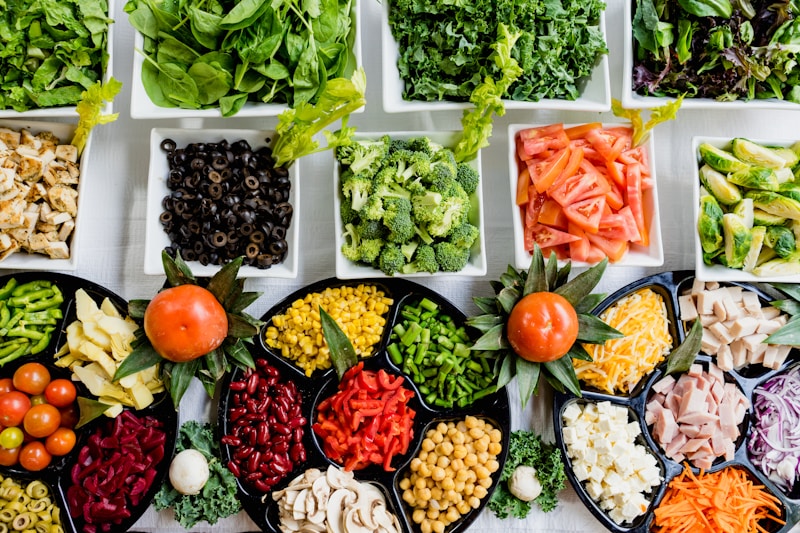
Experts recommend getting prebiotic fiber from whole foods such as garlic, onions, bananas, asparagus, legumes, oats, and barley. The study has not yet been published in a peer-reviewed journal.