NIH Research Shows Smartwatches Can Predict Ovulation and Screen for Prediabetes
NIH-funded researchers are finding new uses for wearable devices, including smartwatches that can predict ovulation within two days and identify signs of prediabetes before symptoms appear. A separate team is developing wearable patches and gloves that can detect 20 different diseases by analyzing molecules released through the skin.
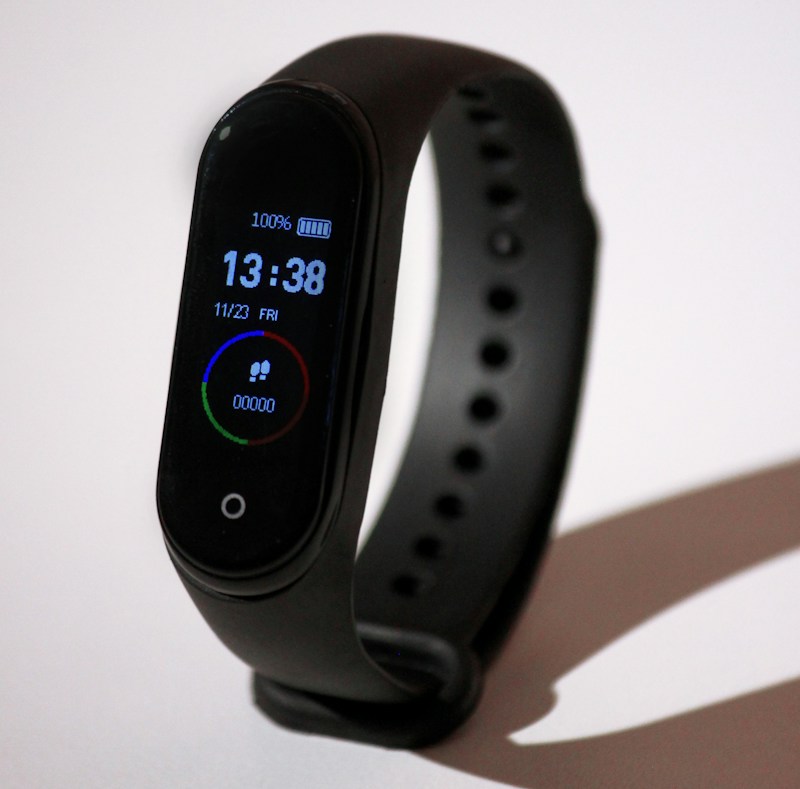
NIH-funded researchers are expanding what wearable devices can do, with new studies showing smartwatches can predict ovulation, screen for prediabetes, and potentially detect 20 different diseases through skin analysis.
A study published in Human Reproduction enrolled 262 women to test whether wrist temperature measured by a smartwatch could predict ovulation. Researchers found the device could predict ovulation within two days of the actual date and predict the start of the next menstrual period within three days for most participants.
"Using a passive wearable sensor made it easy to identify ovulation and when the next menses might occur," said Dr. Anne Marie Jukic, an NIH reproductive health expert who led the study. "This makes menstrual cycle tracking and understanding cycle patterns more accessible to people."
A separate team at the University of California, Davis, is developing wearable patches and electric gloves that detect molecules released through the skin. The researchers are building profiles, or "signatures," for groups of molecules linked to 20 different diseases, including skin, lung, joint, and connective tissue conditions.
"Combining information from the two wearable devices has improved their ability to detect diseases," said Dr. Cristina Davis, a mechanical engineer leading the project.
Researchers at Duke University are also studying whether smartwatch data can alert people to signs of prediabetes before they develop full type 2 diabetes. The team is testing whether text messages sent to people whose data shows elevated risk will prompt them to see a doctor.
The NIH's All of Us Research Program is analyzing health data from nearly 900,000 volunteers, including more than 68,000 who share Fitbit data on heart rate, sleep, and physical activity.