Wellness Experts Say 2026 Trend Is Regulation Over Results as Optimization Backlash Grows
The Global Wellness Summit's 2026 report identifies a growing backlash against data-driven health optimization. Experts say constant tracking of glucose, sleep, and other metrics is leading to fixation and analysis paralysis. The new focus is on nervous system regulation, emotional repair, and community-based wellness over performance scores.

Health and wellness experts are documenting a significant shift in consumer priorities for 2026, with a growing number of people pushing back against the performance-first model of health optimization.
The Global Wellness Summit released its annual trends report in January 2026, identifying "regulation over results" as a defining theme. The report, which draws on data from the $6 trillion wellness economy, found that while tracking tools for glucose, sleep, and heart rate variability have expanded in recent years, many users are now experiencing what researchers call "analysis paralysis."
The backlash centers on the idea that constant measurement can become its own source of stress. Experts in the report argue that fixating on data scores can undermine the emotional and relational dimensions of health that numbers cannot capture.
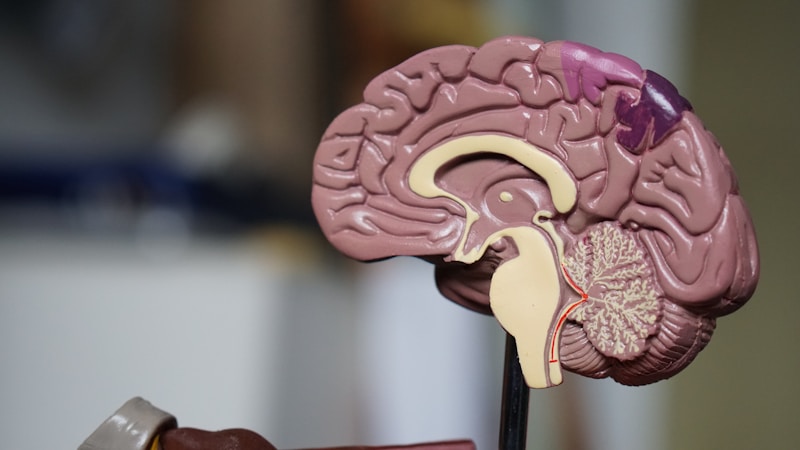
In response, a new category called "neurowellness" has emerged as one of the top trends for 2026. It focuses on using neuroscience and somatic practices to regulate the nervous system, building resilience and recovery rather than chasing performance metrics. The approach is being adopted in corporate wellness programs, hospitality settings, and residential real estate.
Community-based wellness is also gaining ground. The report notes a rise in what it calls the "festivalization of wellness," including sober raves, group immersions, and purpose-driven micro-communities where people connect over shared values.
Women's health is another major focus. The report highlights a shift away from male-centric medical protocols toward research and interventions tailored to women's biology, including ovarian aging and hormonal health.
Wellness professionals say the broader message is that health is not a performance to be optimized but a state to be maintained through sustainable, enjoyable habits.