Semaglutide Cuts Heavy Drinking and Cravings in Clinical Trial for Alcohol Use Disorder
A randomized clinical trial published in the American Journal of Psychiatry found that oral semaglutide significantly reduced heavy drinking and alcohol cravings in adults seeking treatment. The drug, already approved for diabetes and weight loss, showed measurable results in reducing alcohol-related problems. Researchers say the findings open a new treatment path for alcohol use disorder.
Oral semaglutide, the active ingredient in drugs like Ozempic and Wegovy, significantly reduced heavy drinking and alcohol cravings in adults seeking treatment for alcohol use disorder, according to a randomized clinical trial published in the American Journal of Psychiatry.
The trial enrolled adults who were actively seeking help for alcohol use disorder. Participants who received oral semaglutide reported fewer heavy drinking days, lower cravings, and fewer alcohol-related problems compared to those who received a placebo.
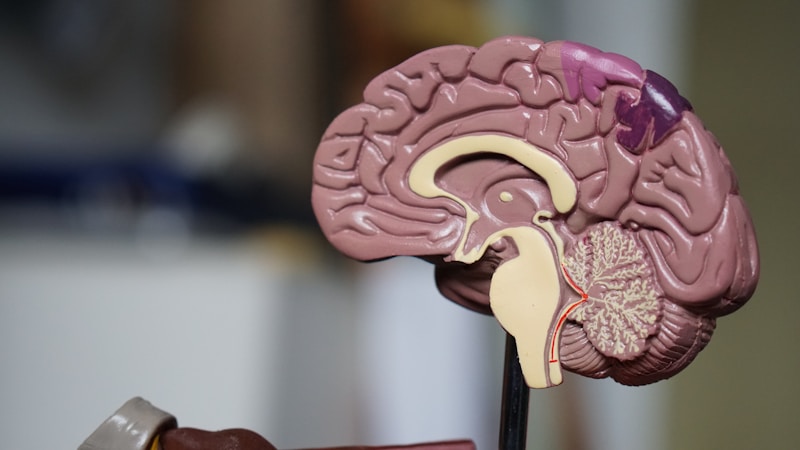
Semaglutide works by mimicking a hormone that regulates appetite and blood sugar. Researchers believe the drug may also affect reward pathways in the brain that drive addictive behavior, which could explain its impact on alcohol consumption.
The findings add to a growing body of evidence suggesting that GLP-1 receptor agonists, the drug class that includes semaglutide, may have applications beyond diabetes and obesity treatment. Earlier studies have suggested similar effects on other addictive behaviors, including smoking.
Alcohol use disorder affects tens of millions of people in the United States. Current approved medications for the condition include naltrexone, acamprosate, and disulfiram, but many patients do not respond to these treatments or stop taking them.
Researchers cautioned that semaglutide is not yet approved for alcohol use disorder and that larger, longer-term trials are needed before it could be considered a standard treatment option. The American Psychiatric Association said the results were promising and warranted further investigation.