The Year of Women in Health and Longevity: Addressing Gender Inequities
Significant gender inequities in the longevity and sports markets are being addressed, with a focus on women's specific health needs and the recognition that women age differently than men.
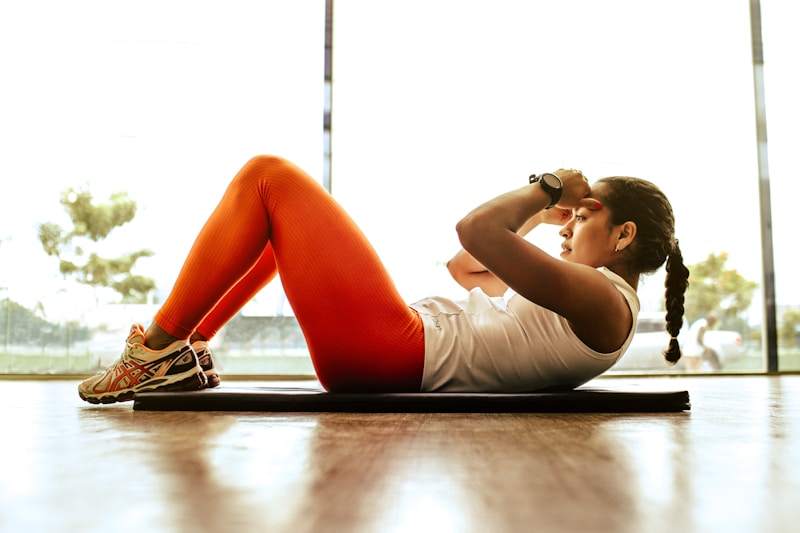
Significant gender inequities in the longevity and sports markets are being addressed in 2026, leading to a major focus on women's specific health needs. The longevity market, traditionally male-dominated, is pivoting to address women's healthspan.
Research highlights that women age differently than men, with the ovary playing a central role in their health. Future interventions will be tailored to women across all life stages, moving beyond menopause symptom management to tackling ovarian aging. This will involve new diagnostics and protocols designed specifically for women.
The women's sports economy is reaching a tipping point, with new leagues, increased female fandom, and female athletes becoming powerful marketing figures. There's a global shift towards women embracing empowering sports rather than just lonely fitness activities.
Longevity is also moving beyond clinics and resorts into everyday living environments. A new category of wellness real estate is emerging - longevity residences - designed to support longer, healthier lives by integrating preventive medicine, advanced diagnostics, AI-enabled health tracking, and therapeutic interventions directly into homes.
The focus in beauty is shifting from "anti-aging" to "skin longevity," which emphasizes optimizing skin health and function over the long term through biotech, AI, skin diagnostics, and new active ingredients. This trend also extends to "hair longevity."
Wellness is increasingly addressing global challenges, from climate change to nervous system exhaustion. Disaster preparedness is becoming a crucial aspect of wellness, evolving into a form of preventative care. This includes integrating mental health, physical readiness, and community interdependence.
The rise of neurowellness is identified as the next frontier in human health, as modern digital life often keeps individuals in a state of chronic fight-or-flight. Neurowellness utilizes consumer neurotech, somatic practices, and sensory design to calm nervous systems and build resilience before breakdown occurs.
These developments represent a fundamental shift in how the health and wellness industry approaches women's health, moving from a one-size-fits-all model to personalized, gender-specific interventions.