New Research: Lifetime of Mental Stimulation May Cut Alzheimer's Risk by 38 Percent
A study published in April 2026 found that sustained mental stimulation throughout life may reduce the risk of Alzheimer's disease by up to 38 percent. Researchers tracked cognitive activity across decades and found consistent reading, learning, and problem-solving had the strongest protective effect. The findings add to growing evidence that brain health is shaped by daily habits.
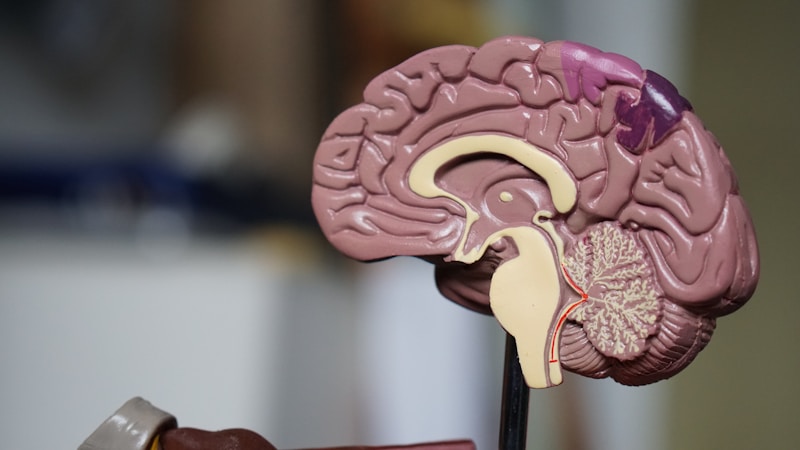
A study published in April 2026 found that a lifetime of mental stimulation may cut the risk of Alzheimer's disease by 38 percent. Researchers tracked participants over several decades, measuring how often they engaged in activities like reading, learning new skills, and solving problems.
The study, reported by ScienceDaily on April 15, found that people who maintained consistent cognitive activity from early adulthood through old age had the lowest rates of Alzheimer's diagnosis. The protective effect was strongest in those who combined mental activity with regular physical exercise and adequate sleep.
Researchers noted that the brain appears to build what scientists call "cognitive reserve," a kind of buffer against the damage caused by Alzheimer's-related plaques and tangles. People with higher cognitive reserve can often function normally even when brain scans show signs of disease.
The findings align with earlier research showing that education, occupation, and leisure activities all contribute to brain resilience. However, the new study is notable for tracking participants across a full lifetime rather than a shorter window.
Separately, a study published the same week found that vitamin D levels in midlife could shape brain health decades later. Researchers said people with low vitamin D in their 40s and 50s showed higher rates of cognitive decline in their 70s and 80s.
Neurologists said the combined findings reinforce the case for treating brain health as a lifelong priority, not just a concern for older adults. They recommend regular reading, social engagement, physical activity, and adequate sleep as the most accessible protective measures.