Looksmaxxing Apps Draw Mental Health Warnings From Experts
Mental health experts are raising alarms about the rise of looksmaxxing apps, which use facial analysis to recommend cosmetic procedures. Researchers say these tools often lack scientific backing and may worsen body image issues, particularly among teenagers and young adults.
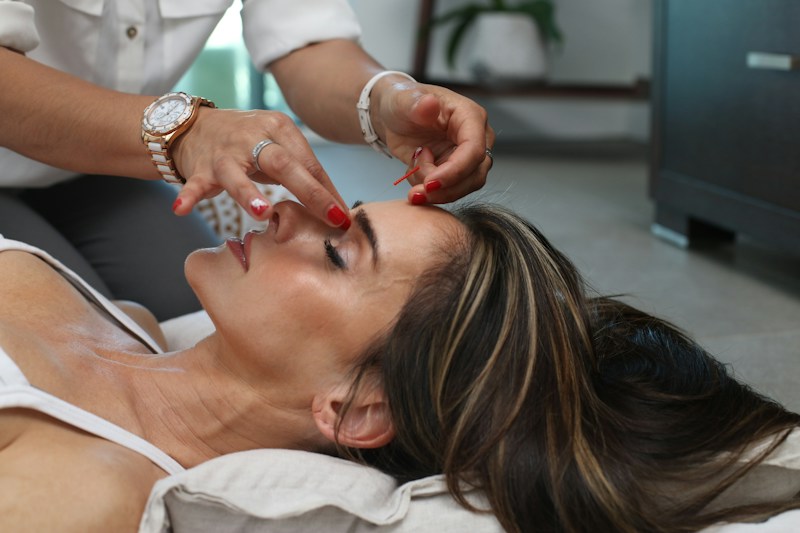
Mental health experts are raising alarms about the growing popularity of looksmaxxing apps, digital tools that analyze facial features and recommend cosmetic procedures to help users achieve what the apps define as an ideal appearance.
The apps, which have gained traction on social media platforms, use algorithms to score users' faces and suggest interventions ranging from skincare routines to surgical procedures. Experts say the tools often lack scientific backing and may cause real harm to users' mental health.
"These apps are not medical devices," said one psychologist who studies body image. "They are designed to make people feel inadequate so they will keep coming back and potentially spend money on products or procedures."
Research on body dysmorphic disorder, a condition in which people become obsessed with perceived flaws in their appearance, suggests that tools that encourage repeated self-scrutiny can worsen symptoms. Teenagers and young adults, who are already navigating significant pressure around appearance, are considered especially vulnerable.
The looksmaxxing trend has spread widely on platforms like TikTok and Instagram, where users share before-and-after photos and discuss techniques for improving their appearance. Some content is relatively harmless, focusing on skincare or fitness. But other content promotes extreme measures, including dangerous DIY procedures.
Experts are calling on social media platforms to add warning labels to looksmaxxing content and to limit the promotion of apps that encourage users to evaluate their physical appearance against algorithmic standards.
Parents and educators are also being urged to talk with young people about the difference between healthy self-care and the kind of appearance obsession that these apps can fuel.