Neurowellness Moves to the Mainstream as Nervous System Health Takes Center Stage
The Global Wellness Summit named neurowellness one of its top trends for 2026, reflecting a shift in how the health industry thinks about stress and recovery. Practitioners are using vagus nerve stimulation, neurofeedback, and somatic exercises to help people regulate their nervous systems before burnout sets in. The trend responds to research showing that chronic stress keeps the body in a near-constant state of fight-or-flight.
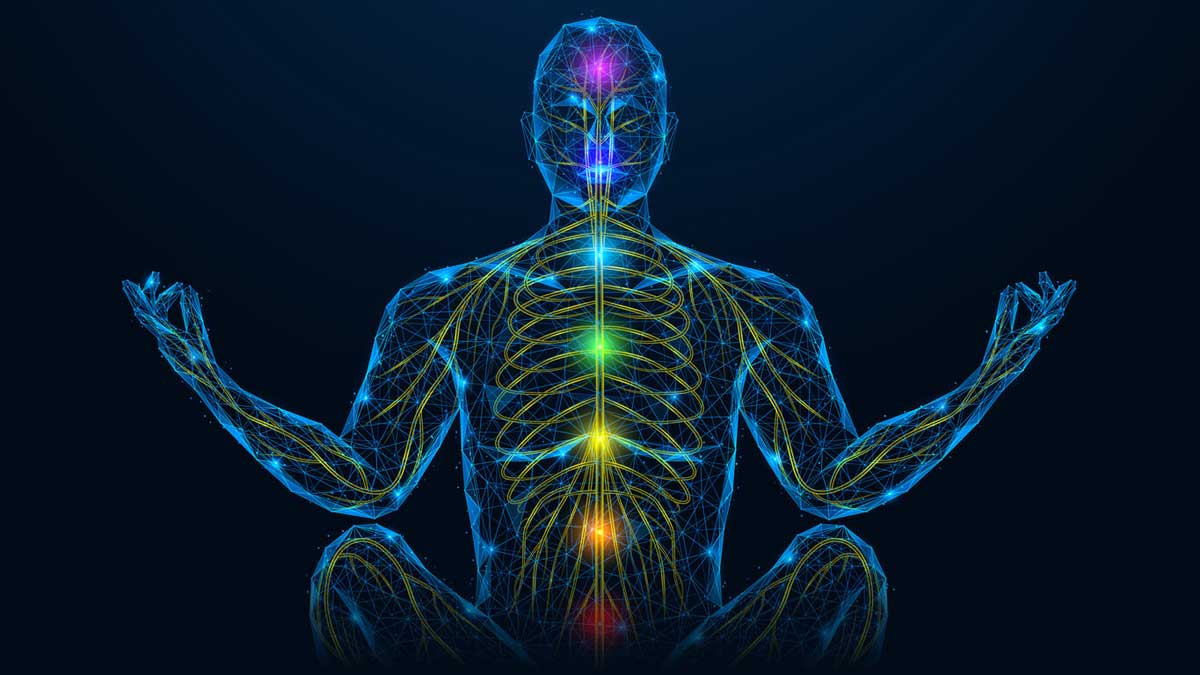
MIAMI — Nervous system health has moved from the edges of wellness culture to its center, with the Global Wellness Summit naming neurowellness one of the defining trends of 2026.
The shift reflects growing recognition that modern life keeps many people in a near-constant state of physiological stress. Notifications, deadlines, financial pressure, and social conflict all activate the body's fight-or-flight response. Over time, that chronic activation wears down physical and mental health.
Practitioners are responding with tools designed to train the nervous system rather than simply manage symptoms after they appear. Vagus nerve stimulation devices, which send mild electrical signals to calm the parasympathetic nervous system, have moved from clinical settings into consumer products. Neurofeedback, which uses real-time brain activity data to help people learn to self-regulate, is appearing in wellness centers and corporate health programs.
Somatic practices, including breathwork, cold exposure, and body-based movement therapies, are also gaining ground. These approaches work directly with the body's physical stress responses rather than relying solely on talk therapy or medication.
"The nervous system is the operating system," said one wellness researcher cited by the Global Wellness Summit. "Everything else, sleep, mood, digestion, immunity, runs on top of it."
The summit's 2026 report notes that the neurowellness trend is partly a reaction against the over-optimization culture of recent years, where wearables and health apps created new sources of anxiety by turning every bodily function into a metric to be improved. The new focus is on resilience and regulation, not performance.