Drug-Resistant Candida Auris Fungus Now Confirmed in 26 States
The CDC reported 3,437 confirmed cases of Candida auris across 26 states as of late July 2026, with Texas leading the nation in total infections. The drug-resistant fungus spreads primarily in hospitals and long-term care facilities and poses the greatest risk to patients with severe underlying conditions. While cases have grown annually since 2019, the CDC says the rate of increase has slowed compared to the surge seen between 2022 and 2023.
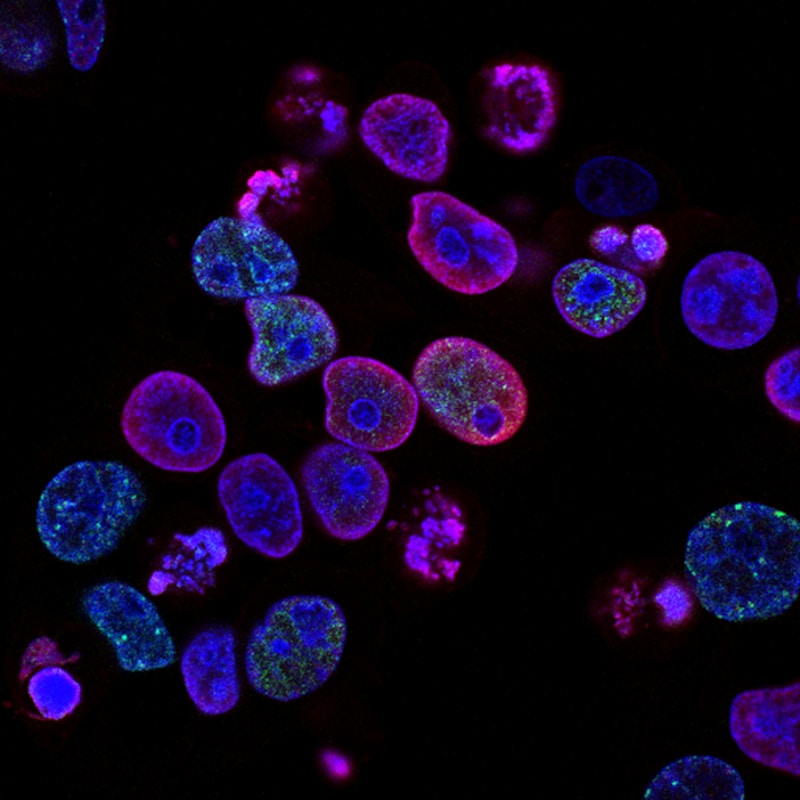
The drug-resistant fungus Candida auris has now been confirmed in 26 states, with 3,437 clinically confirmed cases reported by the CDC as of July 25, 2026.
Texas leads the nation with more than 1,181 cases identified by early August. An additional 3,130 screening cases, meaning people who carry the fungus without being ill, were recorded across 23 states as of July 18.
Candida auris is a yeast that frequently resists standard antifungal medications, making treatment difficult and sometimes impossible. It spreads mainly in healthcare settings such as hospitals and long-term care facilities, where it can survive on surfaces like bedrails and medical equipment.
The fungus poses the greatest risk to patients with severe underlying medical conditions or those who rely on invasive devices such as breathing tubes, feeding tubes, or catheters. A CDC analysis covering 2022 to 2024 found that about 88 percent of cases affected adults aged 45 and older, and 61 percent occurred in men.
Candida auris can colonize a person's skin for extended periods without causing symptoms, allowing it to spread silently. When symptoms do appear, they often include fever, chills, or signs of sepsis.
Prevention focuses on rigorous infection control in medical settings, including frequent hand hygiene with alcohol-based sanitizers, EPA-approved disinfectants, isolation of infected patients, and use of gloves and gowns by healthcare staff.
While total case counts have grown each year since 2019, the CDC noted the rate of increase has slowed compared to the significant surge seen between 2022 and 2023.