FDA Approves Lipfendra, First Oral PCSK9 Inhibitor for High Cholesterol
The FDA approved Lipfendra (enlicitide) on July 16, 2026, as the first oral PCSK9 inhibitor for treating high cholesterol. The once-daily pill reduced LDL cholesterol by up to 59 percent in clinical trials and costs $10.50 per day.
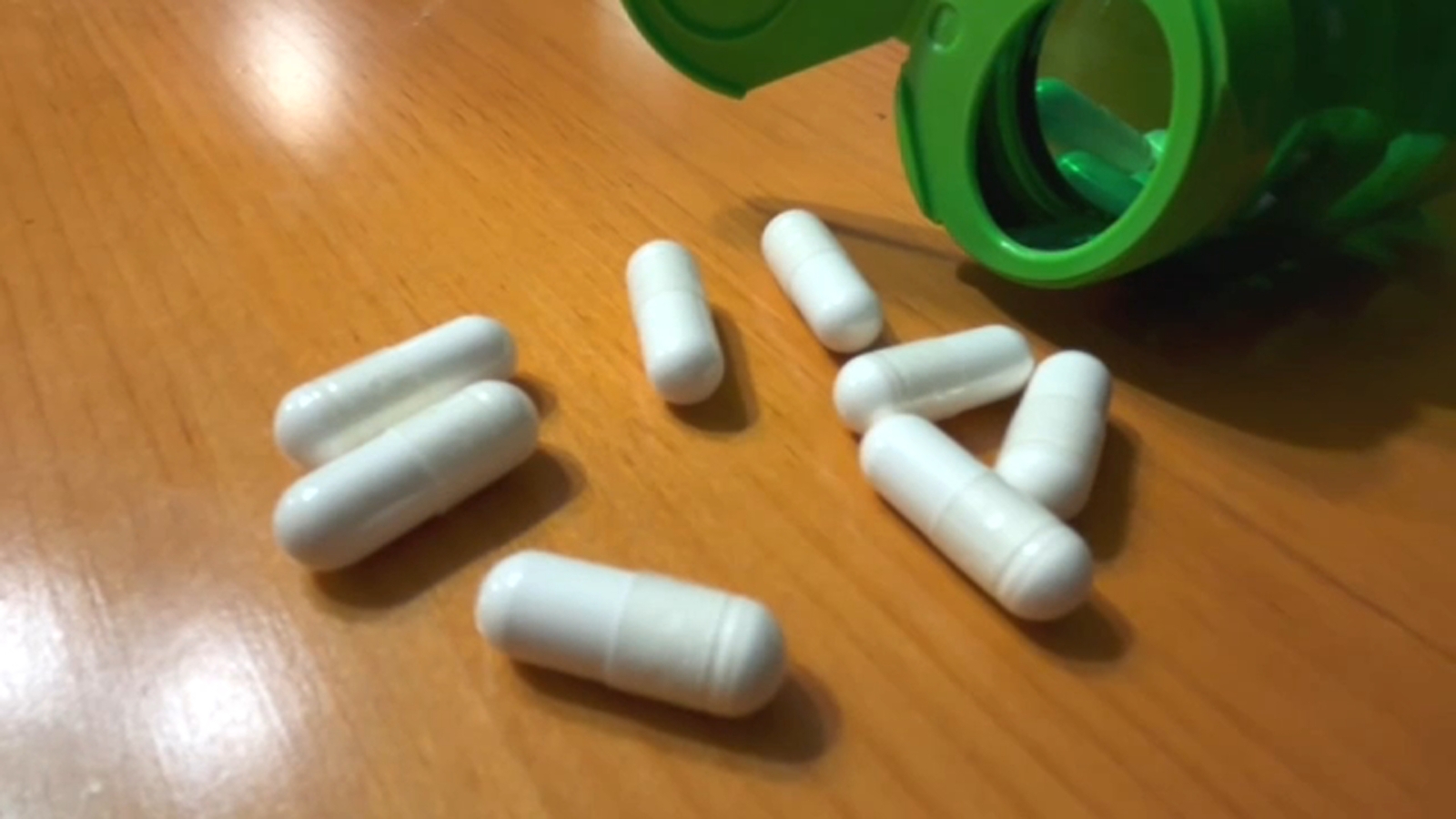
The U.S. Food and Drug Administration approved Lipfendra (enlicitide) on July 16, 2026, making it the first oral PCSK9 inhibitor available for treating high cholesterol. Developed by Merck, the once-daily 20 mg pill offers an alternative to existing injectable PCSK9 inhibitors like Repatha and Praluent.
The approval was based on two randomized, double-blind, placebo-controlled clinical trials involving 3,207 participants. In patients with established cardiovascular disease or high risk, Lipfendra reduced LDL cholesterol by an average of 56 percent at 24 weeks compared to a placebo. In patients with heterozygous familial hypercholesterolemia, the reduction was 59 percent. The drug also lowered lipoprotein(a) levels by about 25 percent.
Lipfendra works by blocking the PCSK9 protein, which normally degrades LDL receptors in the liver. By preventing that degradation, more LDL receptors remain available to clear bad cholesterol from the bloodstream. This is the same mechanism used by injectable PCSK9 inhibitors, but Lipfendra delivers it in pill form that can be stored at room temperature.
The drug is priced at $10.50 per day, or $315 for a 30-day supply. Merck expects actual out-of-pocket costs to be lower for many patients.
One limitation is that Lipfendra currently lacks long-term data on preventing heart attacks and strokes, a benefit that has been proven for injectable PCSK9 inhibitors. A large ongoing trial with more than 14,500 participants is expected to provide that data.
The FDA used its Priority Review process and the Commissioner's National Priority Voucher program to facilitate the approval.