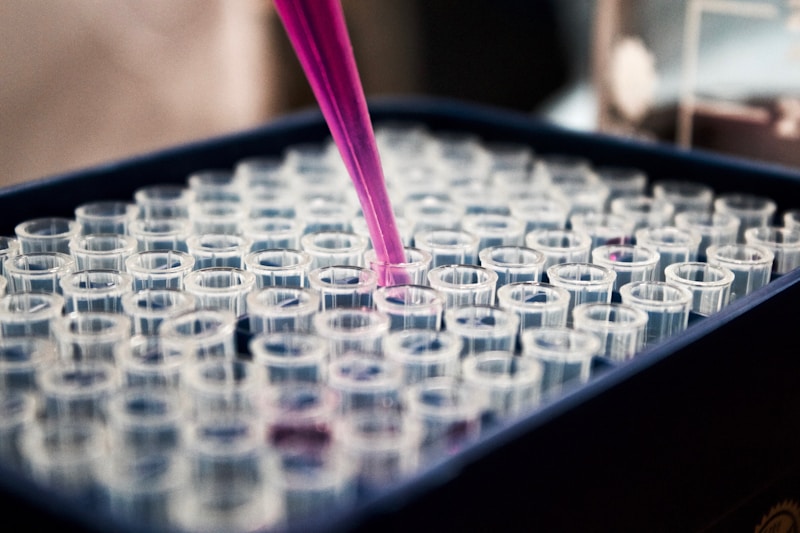
Blood Test Using P-Tau217 Can Predict Alzheimer's Risk a Decade Before Symptoms Appear
Researchers presented data at the 2026 Alzheimer's Association International Conference showing that a blood test measuring p-tau217 levels can predict cognitive impairment up to 10 years before symptoms emerge. Adults with very high levels face a 78 percent risk of developing cognitive impairment within that window.
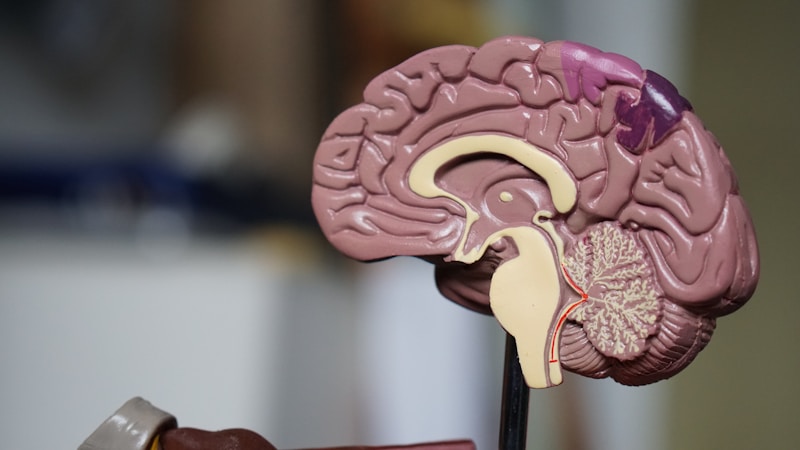
Researchers presented data at the 2026 Alzheimer's Association International Conference showing that a blood test measuring p-tau217 levels can predict cognitive impairment up to 10 years before symptoms emerge.
Adults with very high levels of p-tau217 face an estimated 78 percent risk of developing cognitive impairment within 10 years, according to the findings. Even those with moderately elevated levels showed a roughly 45 percent risk over the same period.
The p-tau217 biomarker has been the focus of intense research in recent years. In May 2025, the FDA cleared the first blood test using this marker for clinical use in adults aged 55 and older who are already showing signs of cognitive decline. That test, the Lumipulse G pTau217/Beta-Amyloid 1-42 Plasma Ratio, measures the ratio of two proteins to detect amyloid plaques in the brain.
The new research goes further. Scientists have developed what they call "molecular clock" models that use p-tau217 levels to estimate when symptoms are likely to begin, even in people who currently show no signs of decline.
In clinical studies, the test correctly identified amyloid pathology in 91.7 percent of positive results and correctly ruled it out in 97.3 percent of negative results.
Researchers say the test is not yet ready for routine screening of healthy adults. But they expect it to accelerate clinical trials for preventive therapies by identifying high-risk individuals earlier.
The findings also suggest that blood-based biomarkers may eventually provide more predictive information than traditional genetic testing or brain imaging for some patients.
Alzheimer's disease affects more than 6 million Americans, and that number is expected to grow as the population ages.