Candida Auris Fungal Infection Now Confirmed in 23 States, CDC Reports
The CDC confirmed more than 3,000 cases of the drug-resistant fungus Candida auris across 23 U.S. states as of mid-2026. Texas reported the highest number of cases, followed by Michigan and Illinois. Health officials say the risk is concentrated in healthcare facilities and among patients with serious underlying conditions, not the general public.
The Centers for Disease Control and Prevention confirmed more than 3,000 cases of the drug-resistant fungus Candida auris across 23 U.S. states as of mid-2026, according to data reported by Healthline and Newsweek.
Texas reported the highest number of cases, followed by Michigan and Illinois. Other states with confirmed cases include Arizona, Colorado, Georgia, Illinois, Indiana, Iowa, Kansas, Kentucky, Louisiana, Maryland, Michigan, Mississippi, Nevada, New Jersey, North Carolina, North Dakota, Ohio, Pennsylvania, Tennessee, Utah, Virginia, and Wisconsin.
The CDC classifies Candida auris as an "urgent antimicrobial resistance threat." Many strains are resistant to multiple antifungal medications, making treatment difficult. Mortality rates for infected patients are estimated between 30 and 60 percent, though most of those who die have serious pre-existing health conditions.
The fungus primarily affects patients in acute care facilities, nursing homes, and long-term care settings. It spreads through contact with contaminated surfaces such as bedrails, blood pressure cuffs, and medical equipment, and can colonize a patient's skin without causing symptoms.
Health officials emphasized that Candida auris does not circulate in the general community and that healthy individuals face low risk. About 88 to 90 percent of clinical infections occur in people aged 45 and older.
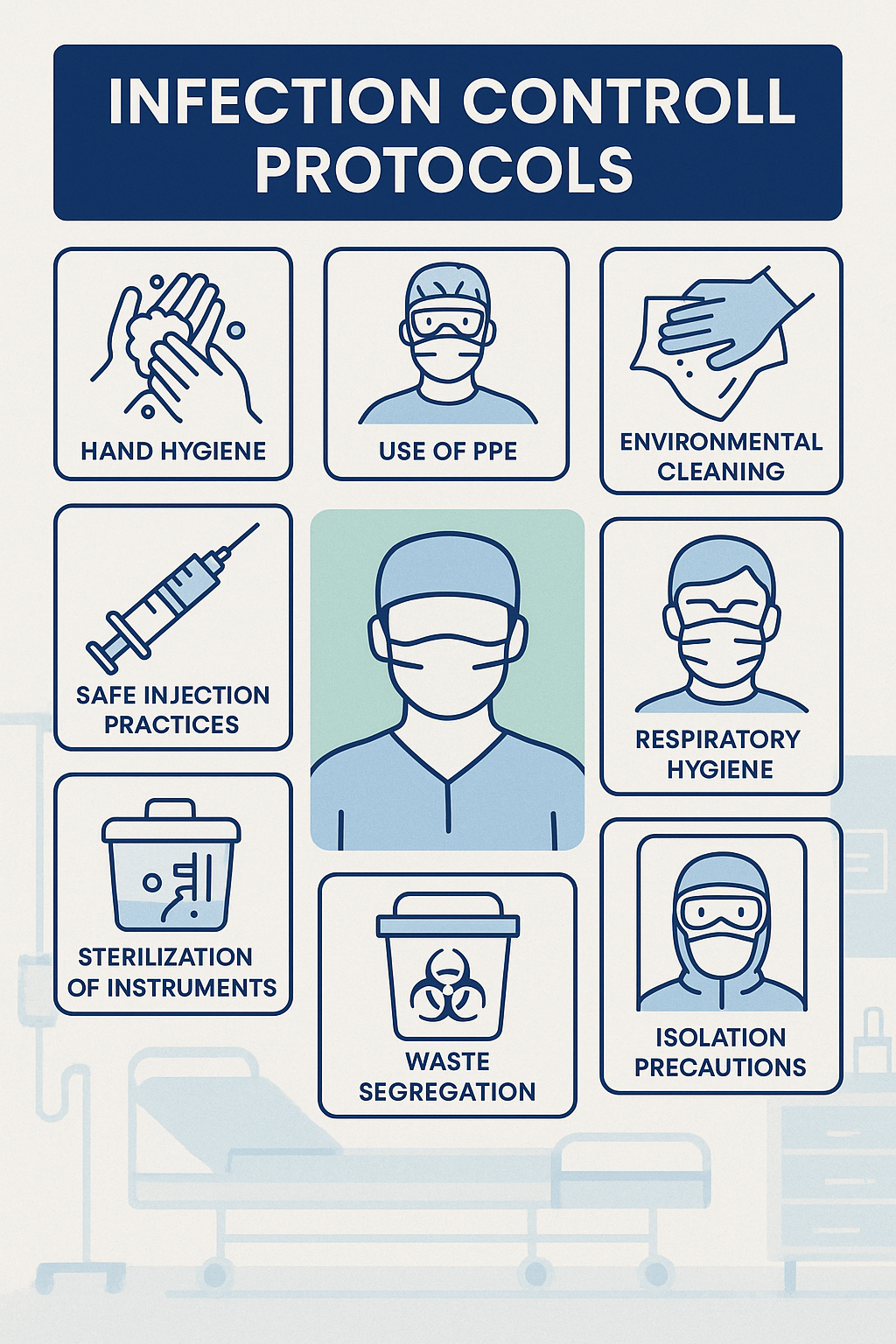
The CDC recommends rigorous hand hygiene, use of gowns and gloves in healthcare settings, placement of infected patients in private rooms, and frequent cleaning with specialized disinfectants.