Low Brain Choline Levels Linked to Anxiety Disorders in Major New Analysis
A major analysis of brain scans found that people with anxiety disorders have lower levels of choline in the prefrontal cortex, the brain region linked to emotional processing. Choline is a nutrient found in eggs, liver, and soybeans. Researchers say the finding could open new treatment paths for anxiety.
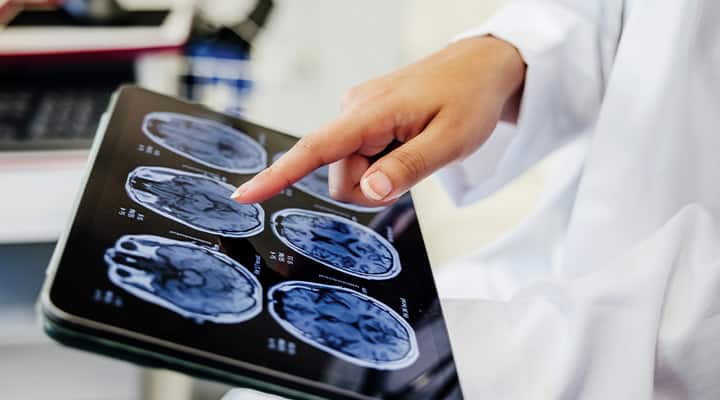
A major analysis of brain scans found that people with anxiety disorders have lower levels of choline in the prefrontal cortex, the brain region linked to emotional processing.
Choline is a nutrient found in eggs, liver, soybeans, and some fish. The body uses it to build cell membranes and produce acetylcholine, a neurotransmitter involved in memory and mood.
Researchers analyzed brain imaging data from multiple studies and found a consistent pattern. People with anxiety disorders had lower choline concentrations in the prefrontal cortex compared to people without anxiety.
The finding was reported on May 16, 2026, and published in a peer-reviewed journal. Researchers said the results suggest choline may play a role in regulating anxiety, though they cautioned that the relationship is not yet fully understood.
Most Americans do not get enough choline. The recommended daily intake is 425 milligrams for women and 550 milligrams for men. A single egg contains about 147 milligrams.
Researchers said the finding could open new treatment paths. Some studies have already explored choline supplementation for mood disorders, with mixed results.
The prefrontal cortex is involved in decision-making, impulse control, and emotional regulation. Disruptions in this region are associated with several mental health conditions, including anxiety and depression.
Experts said more research is needed before choline supplementation can be recommended as a treatment for anxiety. But the finding adds to growing evidence that nutrition plays a role in mental health.