Drug-Resistant Candida Auris Fungus Spreads to 23 States, CDC Reports
The Centers for Disease Control and Prevention confirmed in 2026 that Candida auris, a multidrug-resistant fungal infection, has been found in 23 U.S. states. The fungus spreads rapidly in healthcare settings and can survive on surfaces for weeks. Health officials say the risk to the general public remains low, but vulnerable patients in hospitals and nursing homes face serious danger.
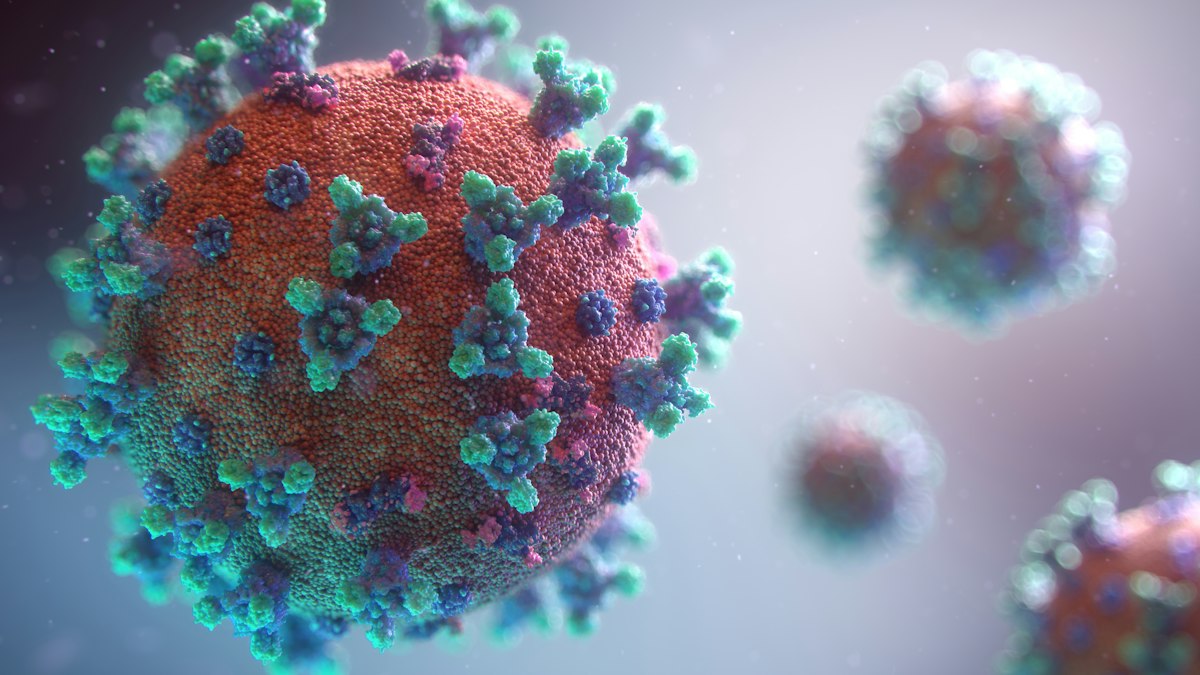
The Centers for Disease Control and Prevention confirmed in 2026 that Candida auris, a multidrug-resistant fungal infection, has been found in 23 U.S. states, raising concerns among healthcare officials about its spread in clinical settings.
The fungus, classified as an urgent public health threat, is not circulating in the general community. It spreads rapidly within acute care facilities, nursing homes, and long-term care settings. States with significant case counts include Texas, Michigan, Illinois, New York, California, and Florida.
Candida auris is particularly dangerous for three reasons. Many strains resist the primary classes of antifungal medications, including azoles, polyenes, and echinocandins. Some rare strains show pan-resistance, meaning no known treatments are effective. The fungus can also survive on high-touch surfaces such as bed rails, doorknobs, and medical equipment for weeks, resisting standard cleaning protocols. Patients can carry the fungus on their skin without showing symptoms and unknowingly spread it to others.
The infection primarily affects people with weakened immune systems, those with indwelling medical devices such as catheters or breathing tubes, or patients with chronic conditions like diabetes or cancer. Healthy individuals face very low risk.
Symptoms can be difficult to distinguish from other illnesses and often include fever, chills, and low blood pressure that do not respond to standard antibiotics.
The CDC recommends strict infection-control measures in healthcare settings, including rigorous hand hygiene, use of gowns and gloves, isolation of infected patients, and enhanced environmental cleaning with EPA-registered disinfectants.
Patients and families are encouraged to ask healthcare facilities about their screening policies and ensure staff follow proper hygiene protocols.