California Adopts Curriculum for Mandatory High School Personal Finance Course
The California State Board of Education adopted the official curriculum guide for a mandatory one-semester personal finance course in March 2026. The course will be available starting in the 2027-28 school year and becomes a graduation requirement for the class of 2030-31.
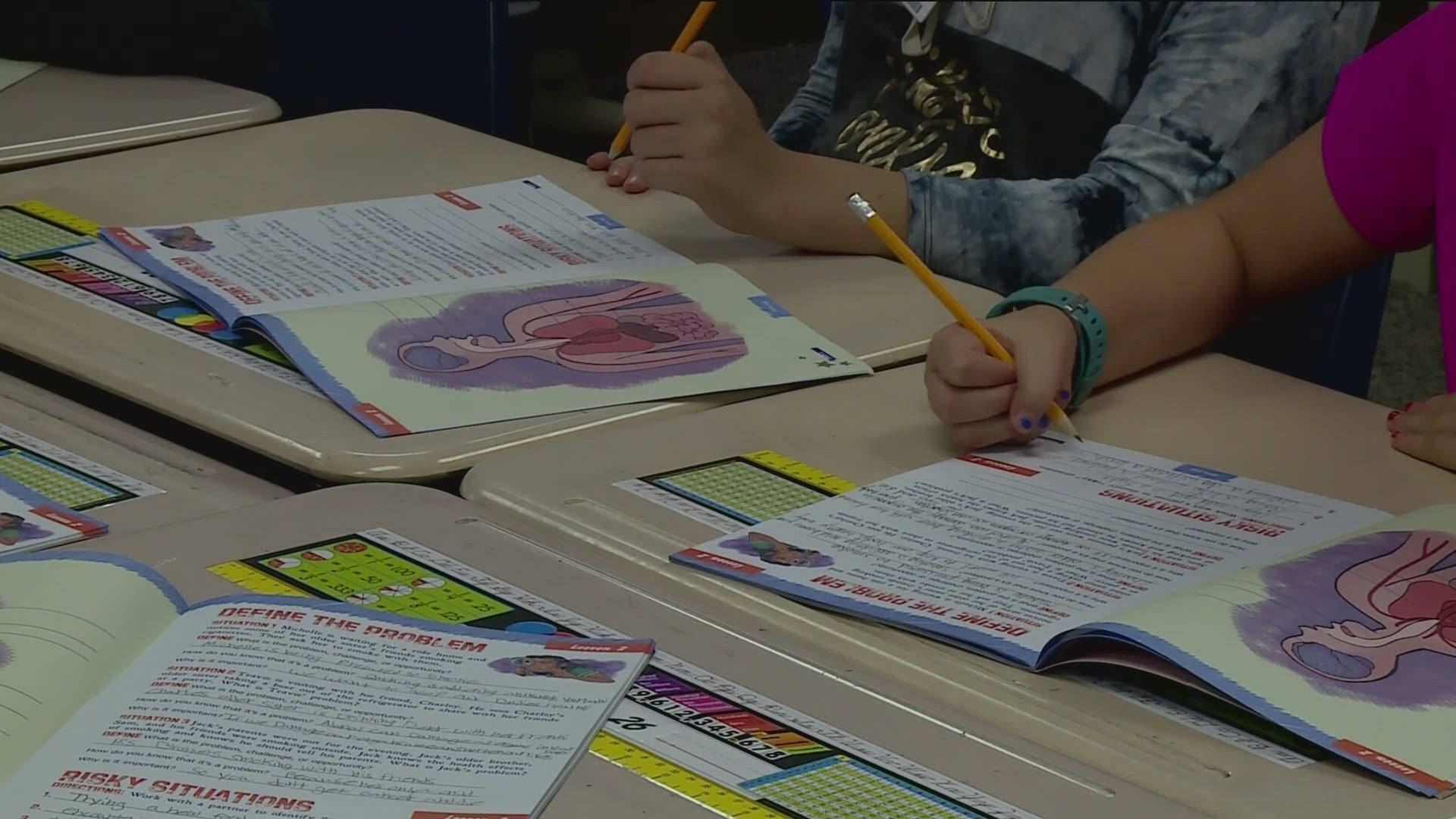
The California State Board of Education adopted the official curriculum guide for a mandatory personal finance course in March 2026. The course will be available to high school students starting in the 2027-28 school year and becomes a graduation requirement for the class of 2030-31.
The requirement stems from Assembly Bill 2927, signed by Governor Gavin Newsom in 2024. The legislation was the result of an agreement between state leadership and NGPF Mission 2030, an affiliate of Next Gen Personal Finance.
The curriculum was developed by the Instructional Quality Commission. It covers banking, saving, and avoiding unnecessary fees; budgeting and daily expense management; understanding credit, debt, and credit scores; financing higher education; wealth-building, investing, and retirement savings; and exposure to state programs such as the California Kids Investment and Development Savings Program.
Governor Newsom has linked the new course to the CalKIDS program, which provides college savings accounts for low-income students and children born on or after July 1, 2022.
In March 2026, Newsom also signed an executive order aimed at closing the gender wealth gap. The order includes efforts to expand women's access to capital, financial education, and long-term investment opportunities.
California joins a growing number of states that have moved to make personal finance education a graduation requirement. Advocates say the course will give students practical skills they can use immediately, from opening a bank account to understanding how interest works on a credit card.