Financial literacy, wealth building strategies, and economic news
90 articles
The SEC and U.S. Treasury Department marked Financial Literacy Month in April 2026 with new resources and outreach events. SEC Chairman Paul Atkins encouraged Americans to focus on early investing, living within their means, and building emergency funds. A GreenPath survey found that 44 percent of consumers rely on family and friends for financial guidance.
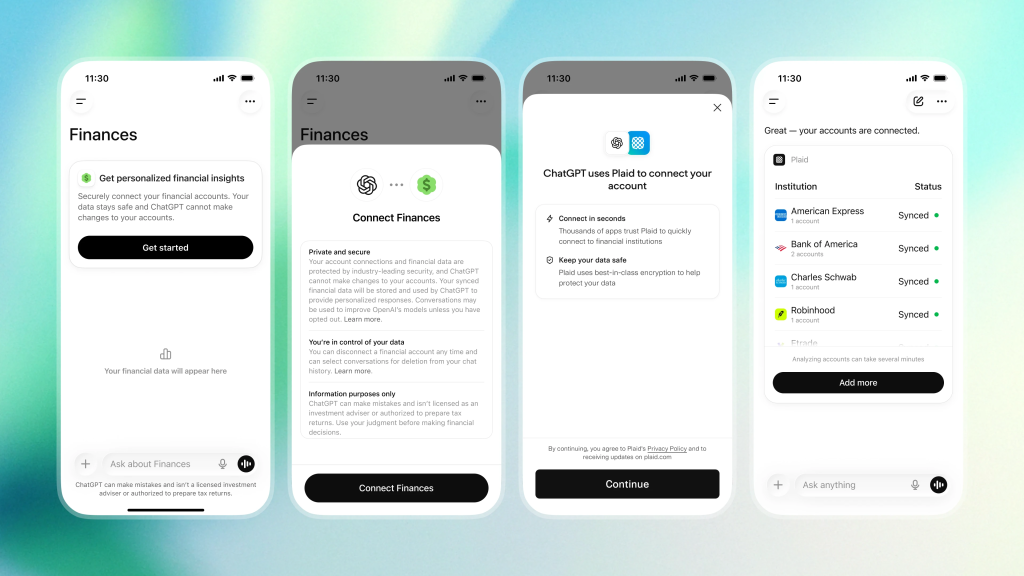
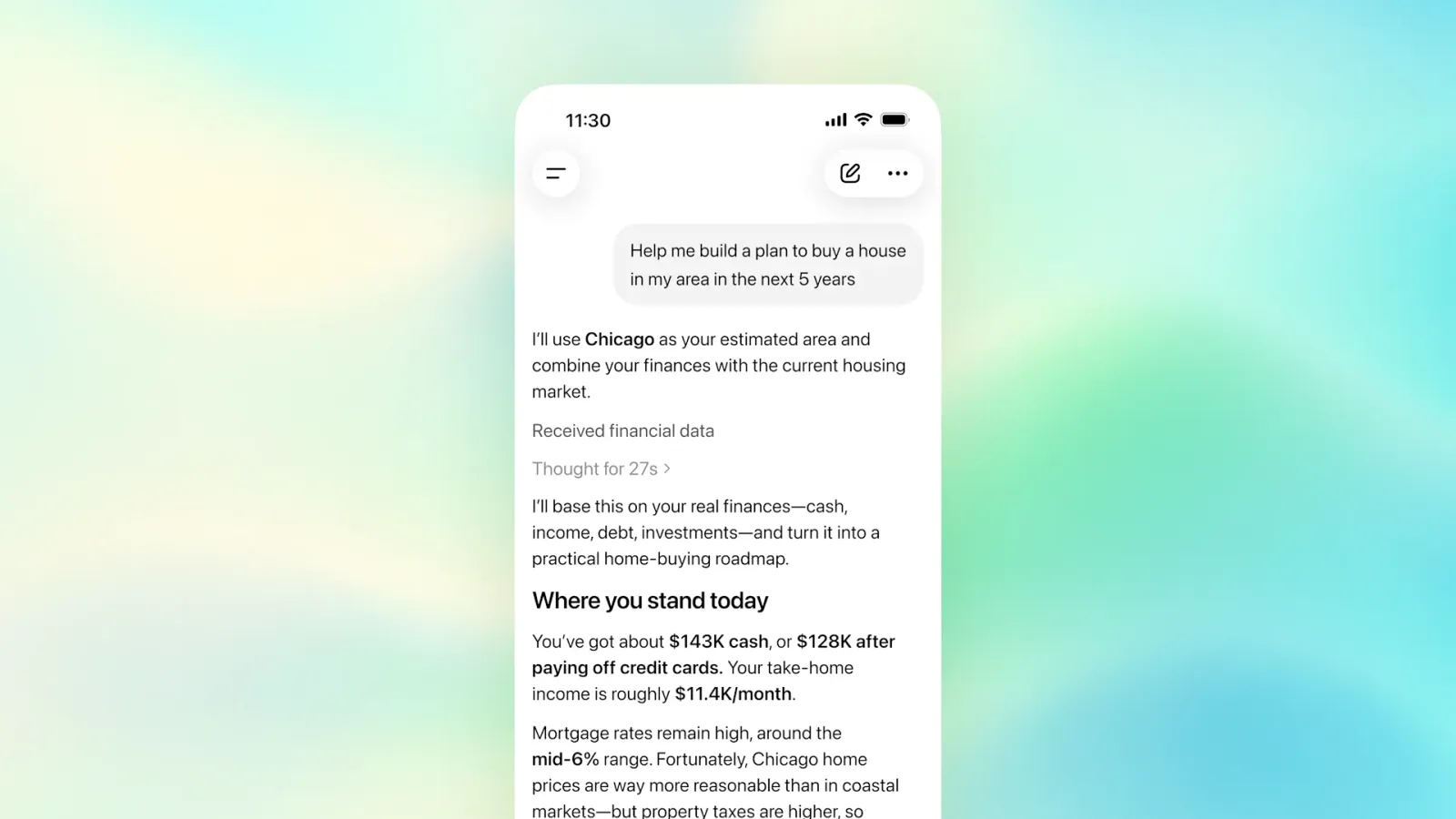
OpenAI acquired Hiro Finance, an AI-powered personal finance startup, on April 13, 2026. Founder Ethan Bloch and roughly 10 employees are joining OpenAI. Hiro's standalone app will shut down on April 20, with all user data deleted by May 13.
U.S. fertility rates fell to a new record low in 2026, continuing a decade-long decline. Economists and demographers warn the trend will strain Social Security, reduce the workforce, and slow economic growth in the coming decades.
Amazon agreed to acquire satellite operator Globalstar for approximately $11.5 billion, or $90 per share, in a deal announced in April 2026. The acquisition gives Amazon a satellite network and spectrum licenses to build its direct-to-device satellite internet service.
The International Monetary Fund released its World Economic Outlook on April 14, 2026, projecting global growth to slow to 3.1 percent in 2026 due to the Middle East conflict. The IMF warned that a longer or broader war could significantly weaken growth and destabilize financial markets.
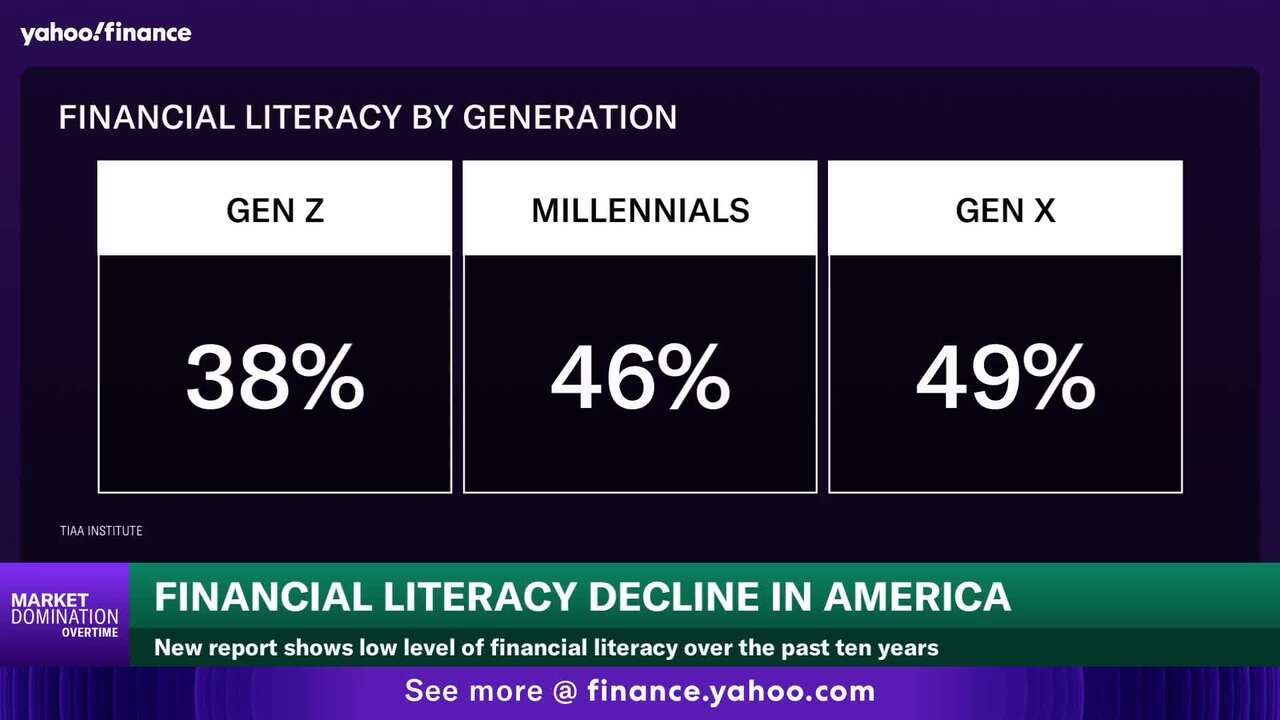
A new survey released during Financial Literacy Month found that approximately half of US adults grade themselves a "C" in financial literacy. The data shows financial knowledge tends to decline with younger generations, with only 38 percent of Gen Z reporting they understand their money.
Exchange-traded fund inflows reached nearly $500 billion in the first quarter of 2026, according to new data. US fixed income ETFs led the way with $40.1 billion in inflows, followed by US equity ETFs at $38.9 billion.
OpenAI acquired Hiro Finance, an AI-powered personal finance startup, on April 13, 2026. The deal brings Hiro's financial planning tools and team into OpenAI, with plans to integrate advanced financial capabilities into ChatGPT.
The national average for a gallon of regular gasoline reached 3.98 dollars on March 24, up nearly 35 percent from 2.95 dollars a month earlier. The spike is driven by crude oil price increases tied to conflict in the Middle East and disruptions to tanker traffic through the Strait of Hormuz. The International Energy Agency agreed to release 400 million barrels from emergency reserves in response.
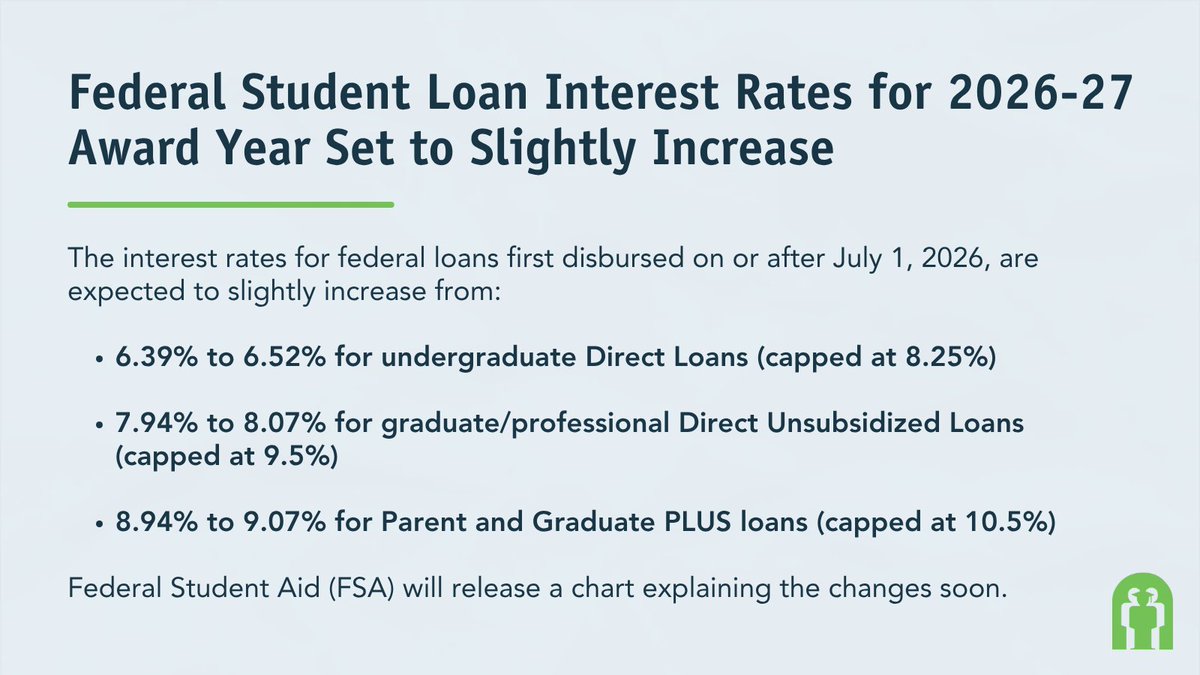
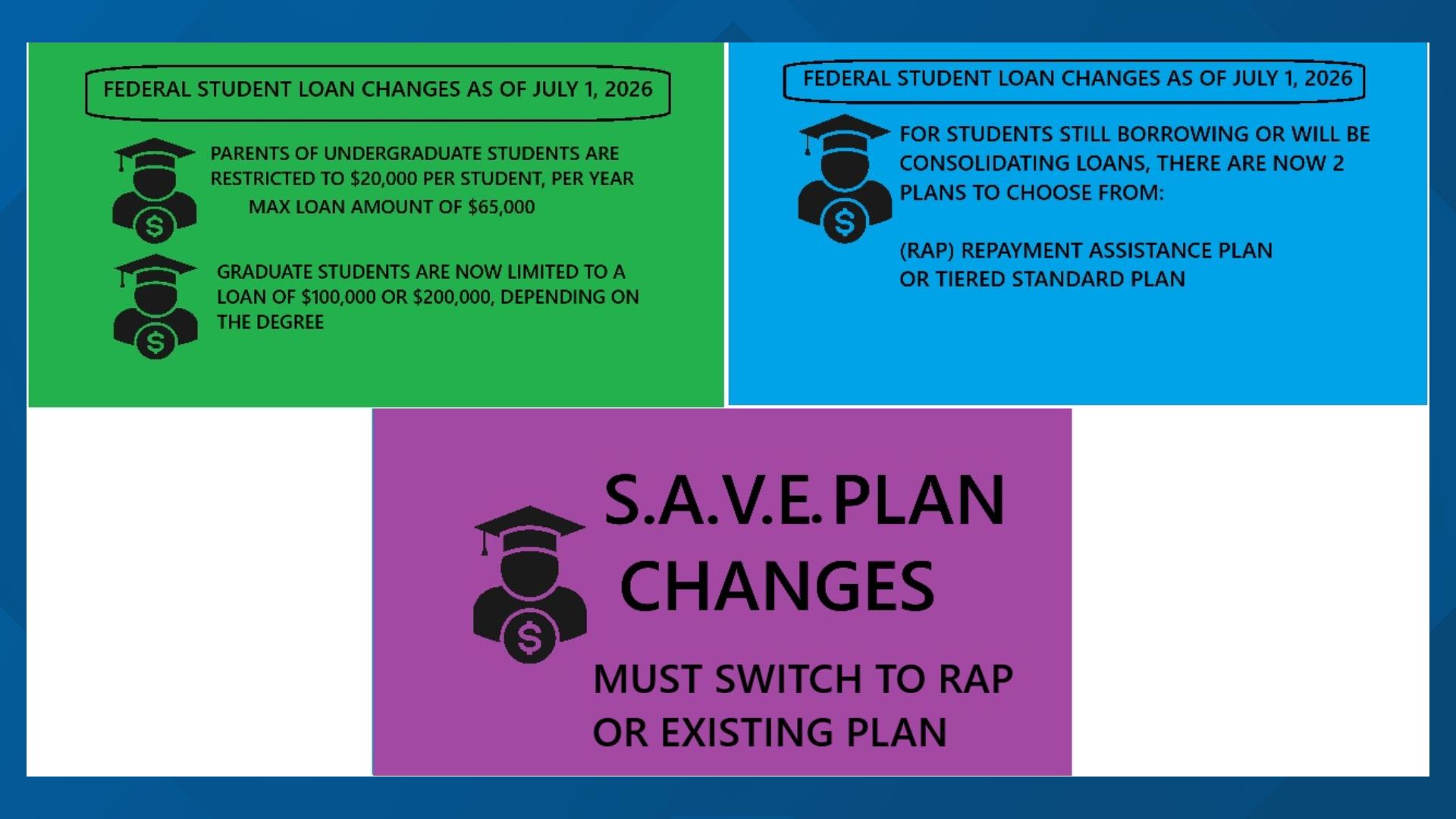
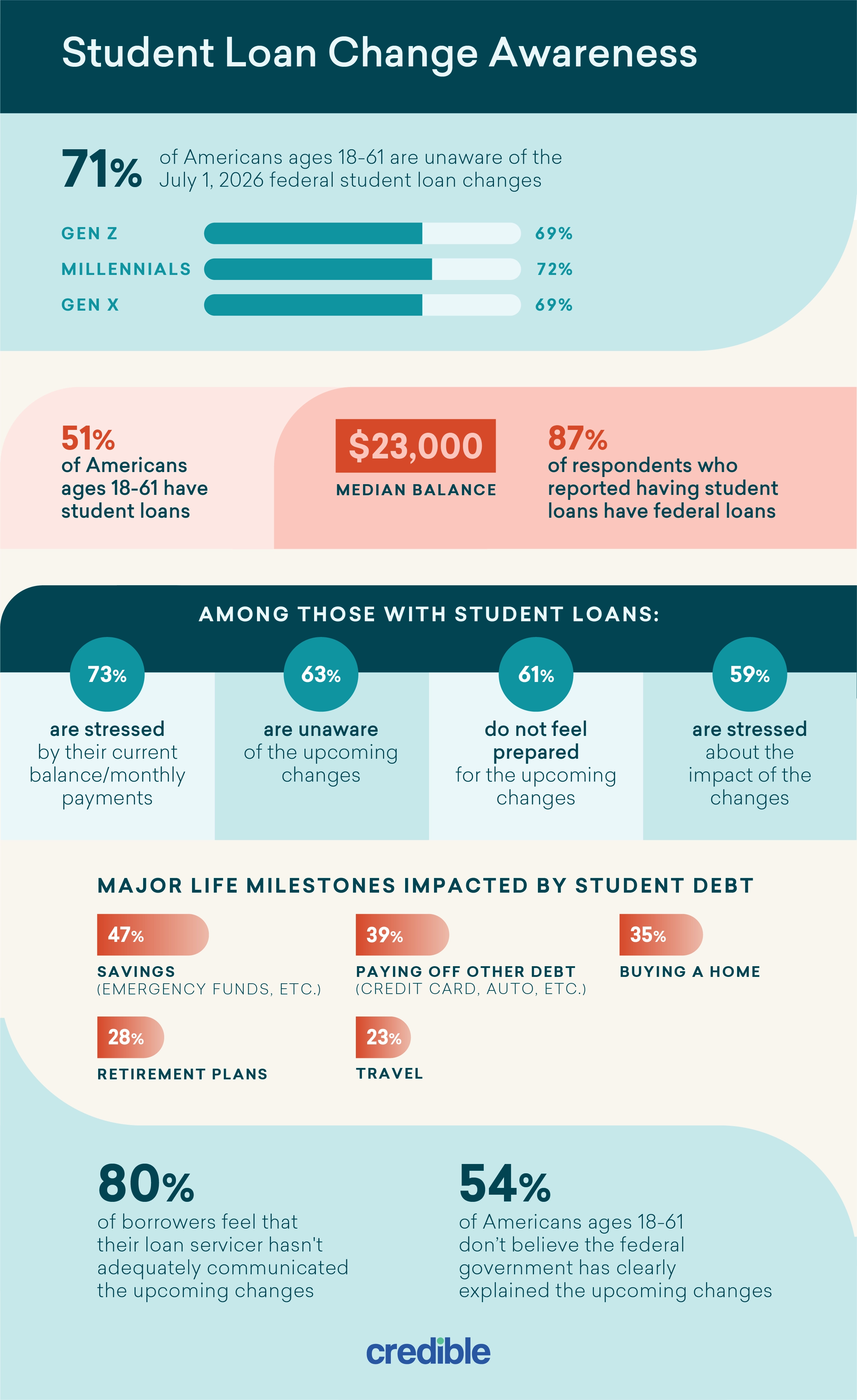
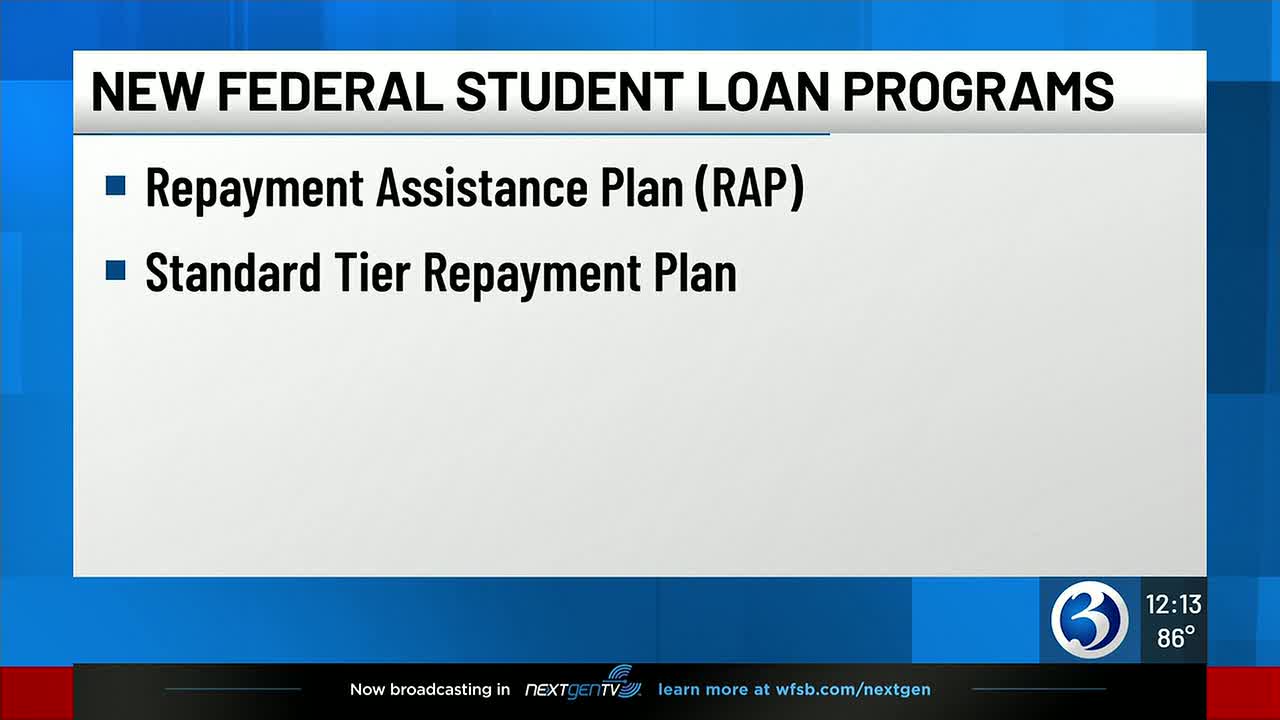
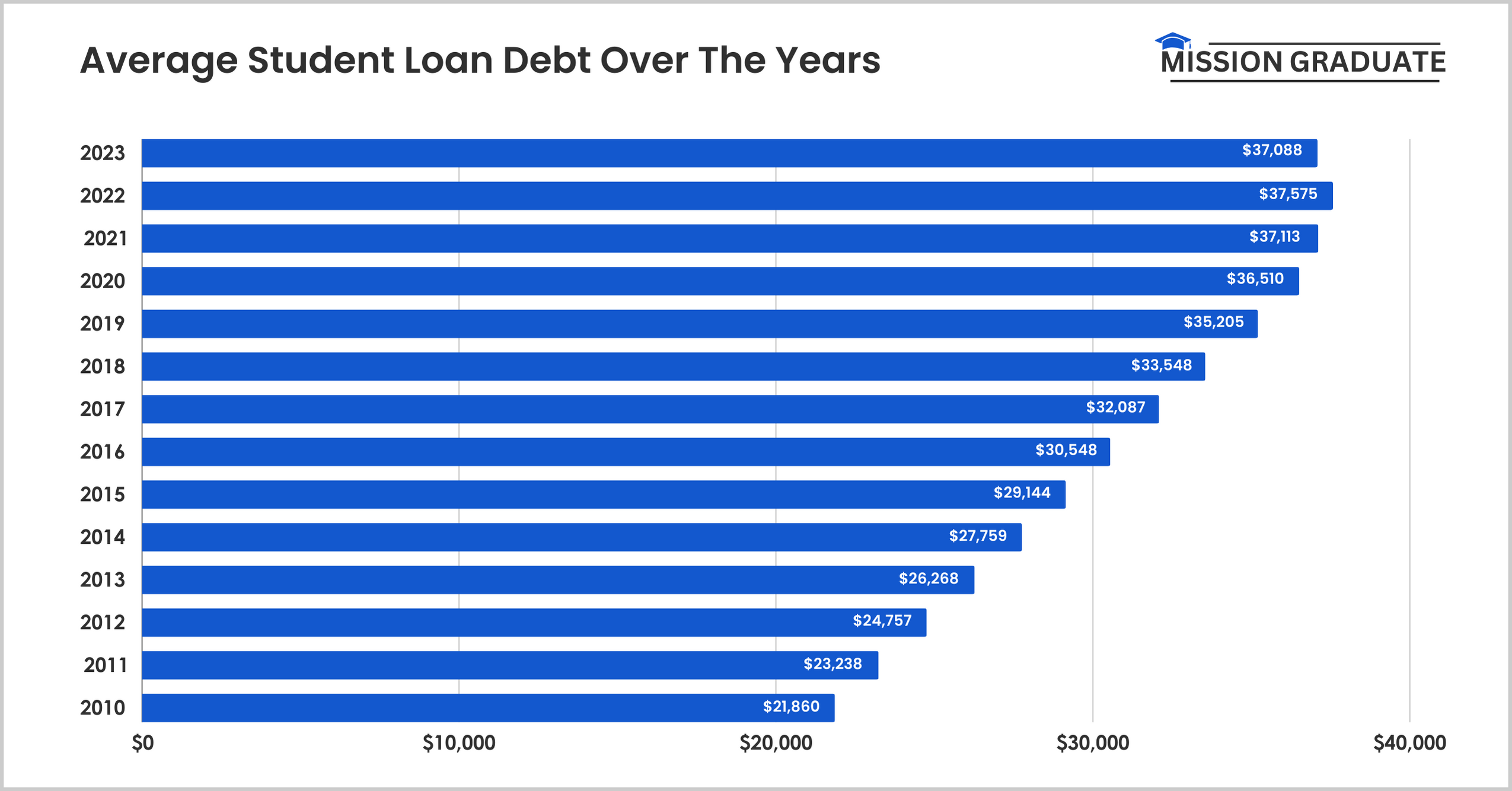
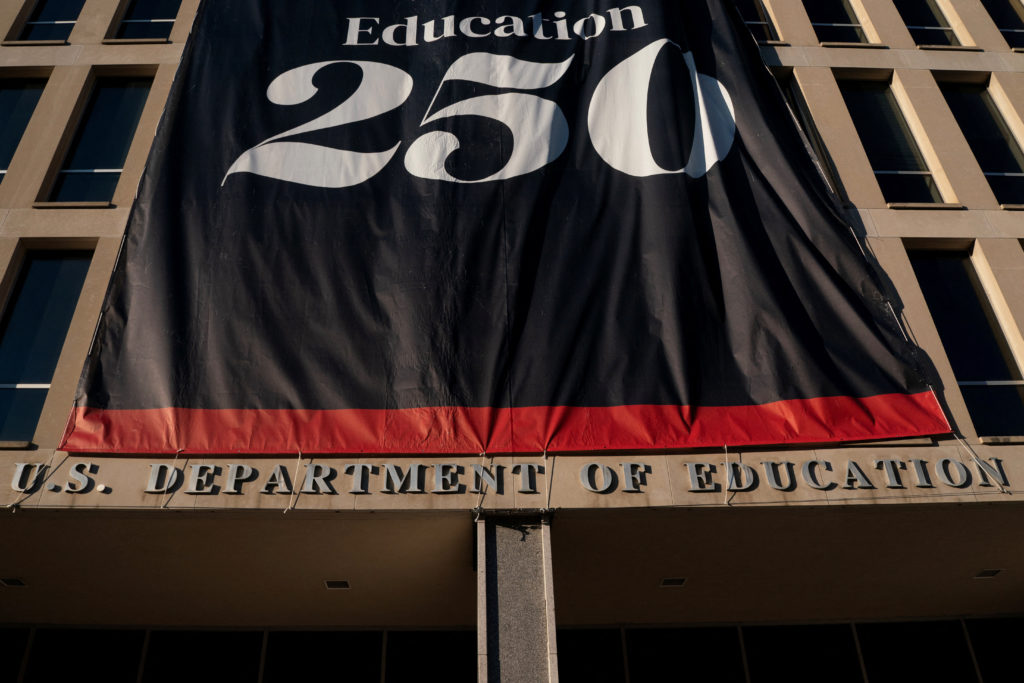
The U.S. Treasury Department began taking over collection of approximately 180 billion dollars in defaulted federal student loans from the Education Department in March 2026. About 9.2 million borrowers are in default. The move is part of a broader plan to transfer the entire 1.7 trillion dollar federal student loan portfolio to Treasury, which critics call an illegal scheme.
The Securities and Exchange Commission is spotlighting financial planning resources on Investor.gov throughout April for National Financial Literacy Month. SEC Chairman Paul Atkins emphasized the importance of early investing, living within one's means, and building an emergency fund. The agency is also hosting outreach events for military members, veterans, older adults, teachers, and students.
The U.S. Department of the Treasury began taking over collection of approximately $180 billion in defaulted federal student loans from 9.2 million borrowers in April 2026. The shift is part of a broader transfer of the nearly $1.7 trillion federal student loan portfolio from the Department of Education to the Treasury.
Inflation is projected to reach 4.0% in April 2026, driven by spiking energy costs tied to Middle East conflict. The national average for a gallon of regular gasoline hit $3.98 in late March, a 35% jump in one month, while the average 30-year fixed mortgage rate climbed to 6.22%, reversing months of improvement.
A 2026 survey by U.S. News and World Report found that about 44% of Americans rely on family and friends for financial guidance, while nearly 31% do not seek any financial advice at all. The findings, released during Financial Literacy Month in April, highlight persistent gaps in access to trusted financial education.
The U.S. Treasury Department began taking over management of defaulted federal student loans from the Department of Education in March 2026, covering approximately $180 billion owed by 9.2 million borrowers. Borrowers do not need to take immediate action, but advocates warn the transition could cause confusion.
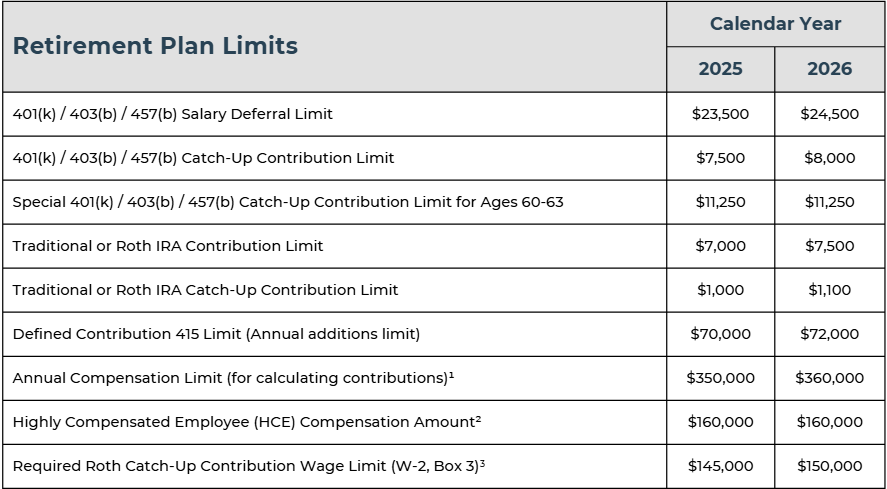
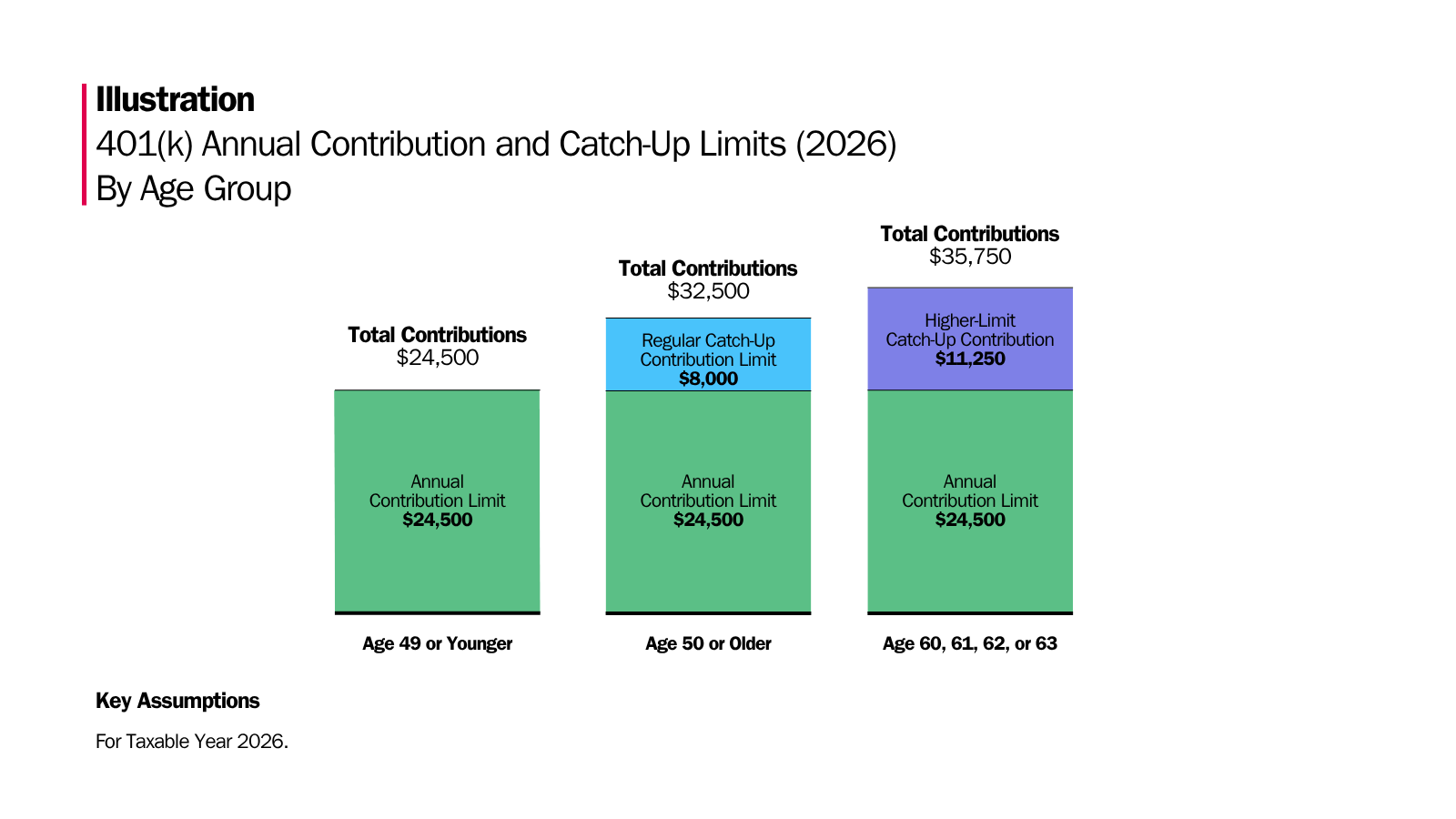
The annual 401(k) contribution limit rose to $24,500 in 2026, and IRA limits increased to $7,500. Workers aged 60 to 63 can now contribute an additional $11,250 in catch-up contributions to 401(k) plans. Financial advisers say April is a good time to review retirement account settings.

Americans face a cluster of financial pressures in April 2026: gas prices have risen nearly 35% in a month to $3.98 per gallon, mortgage rates climbed to 6.22%, and the federal tax deadline falls on April 15. The U.S. Senate has designated April as Financial Literacy Month.
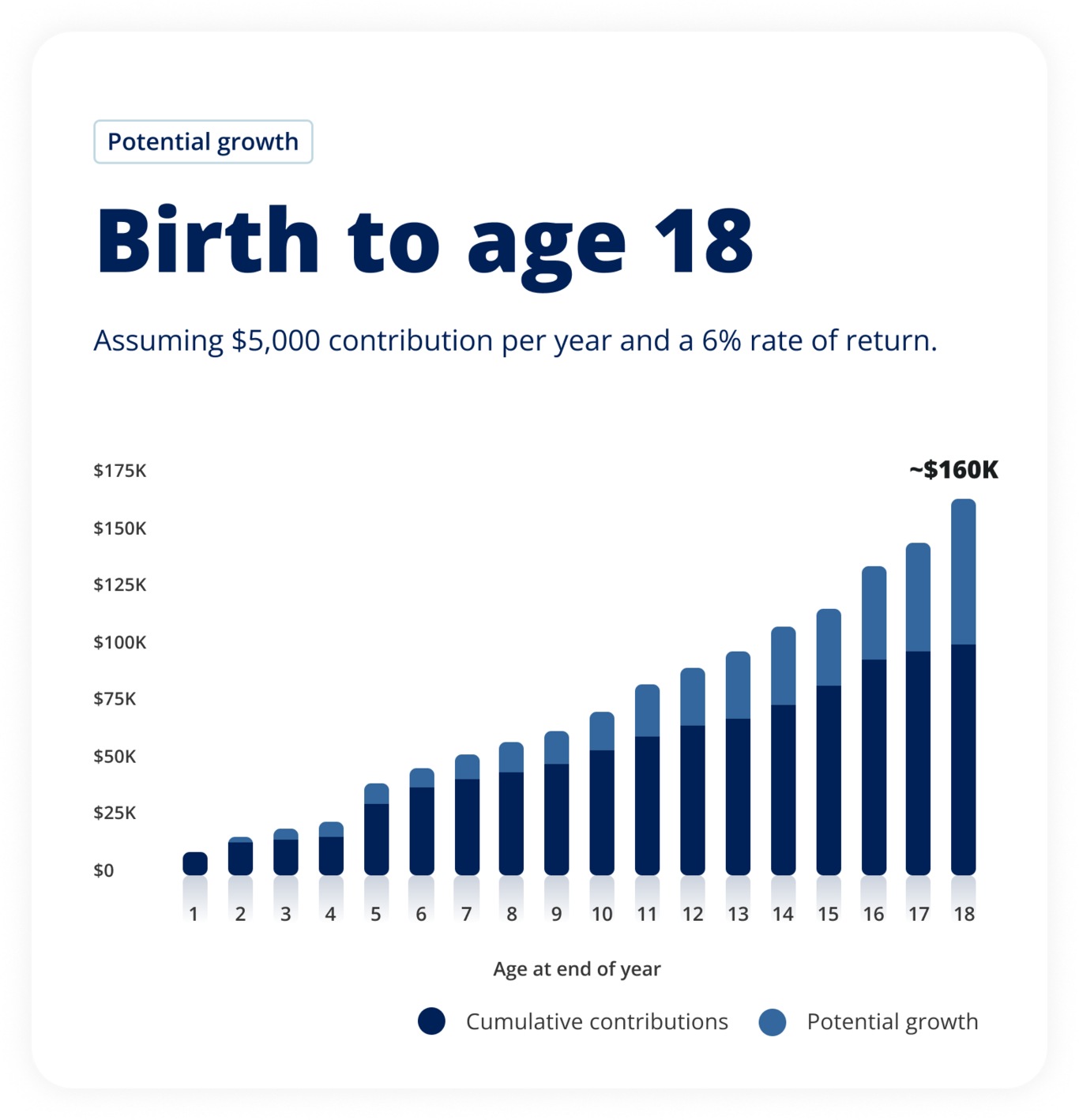
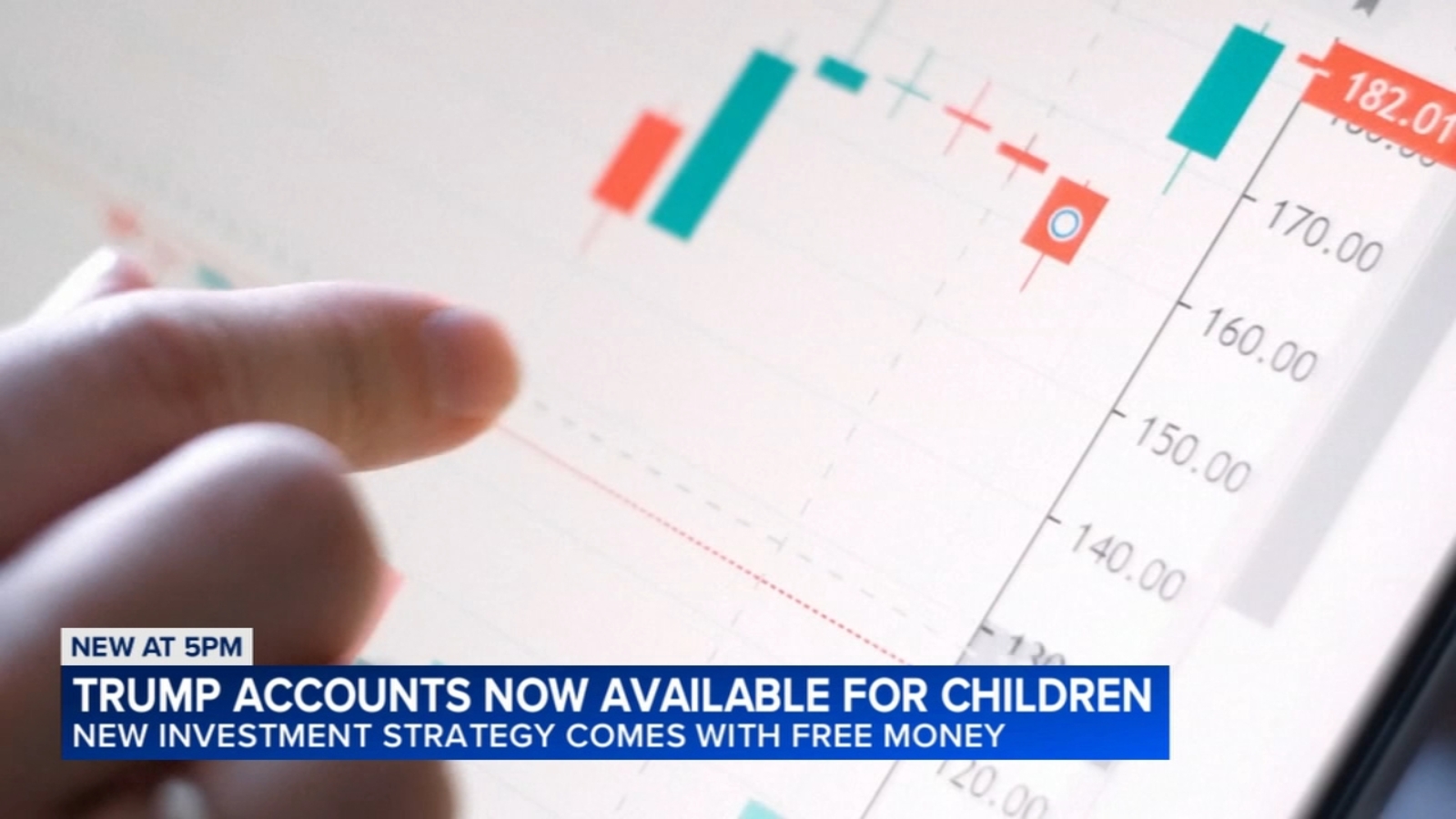
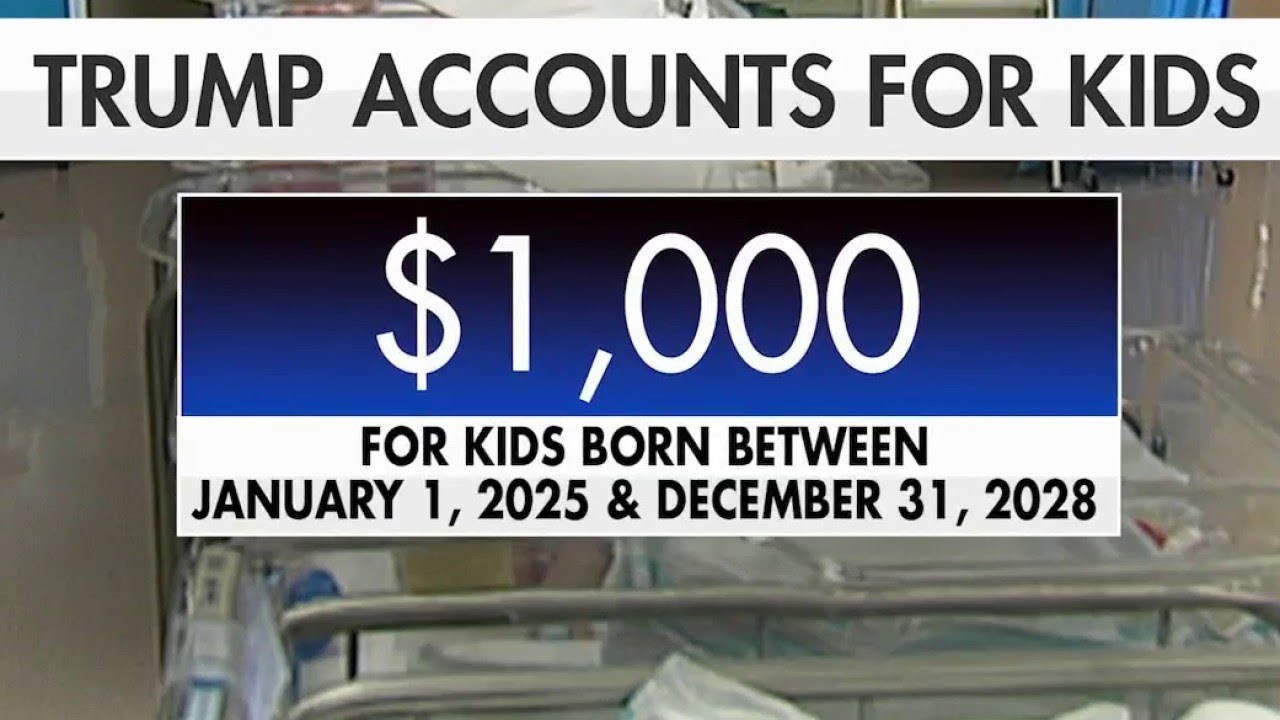
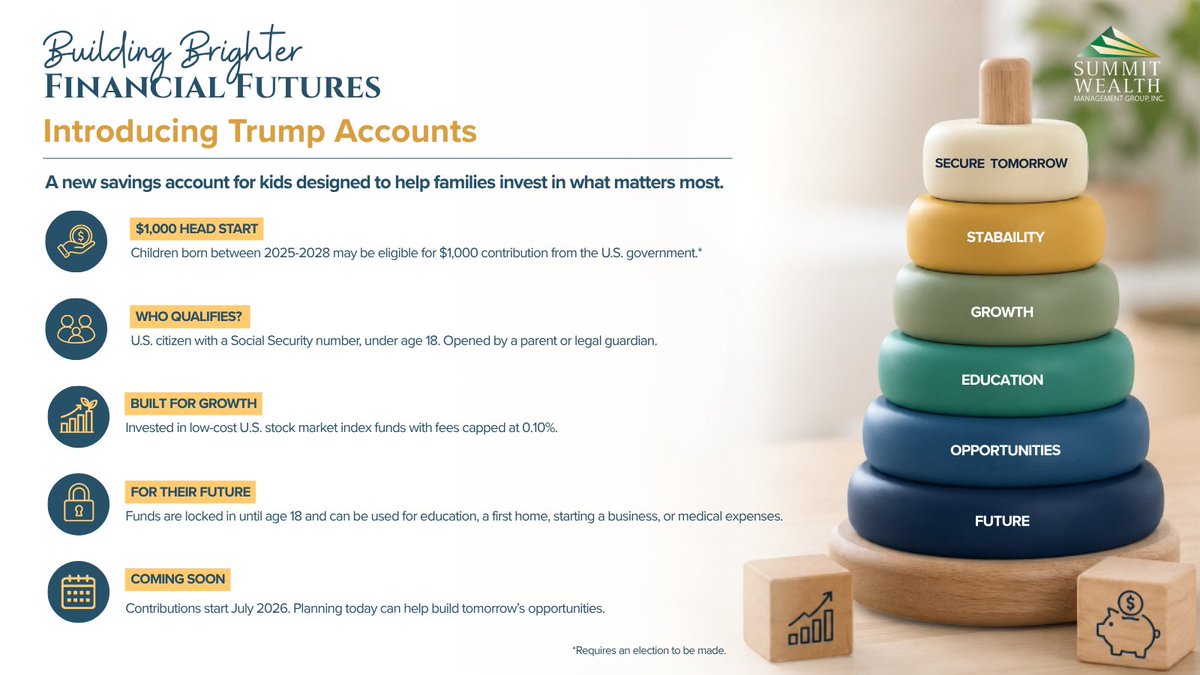
The White House launched the Trump Accounts initiative in April 2026, providing $1,000 to every child born between 2025 and 2028 in a long-term savings account. Parents manage the accounts until the child turns 18, when funds can be used for higher education, home purchases, or starting a business.
The national average for regular gasoline reached $3.98 per gallon on March 24, 2026, up nearly 35% from $2.95 a month earlier. The spike is tied to rising crude oil prices caused by conflict in the Middle East and disruptions to tanker traffic through the Strait of Hormuz.
U.S. Stocks surged and oil prices plummeted after Iran announced it was working with Oman on a Strait of Hormuz traffic protocol, and a fragile US-Iran ceasefire brought relief to financial markets. The development offers hope for easing gas prices and mortgage rate pressures that have weighed on household budgets in recent weeks.
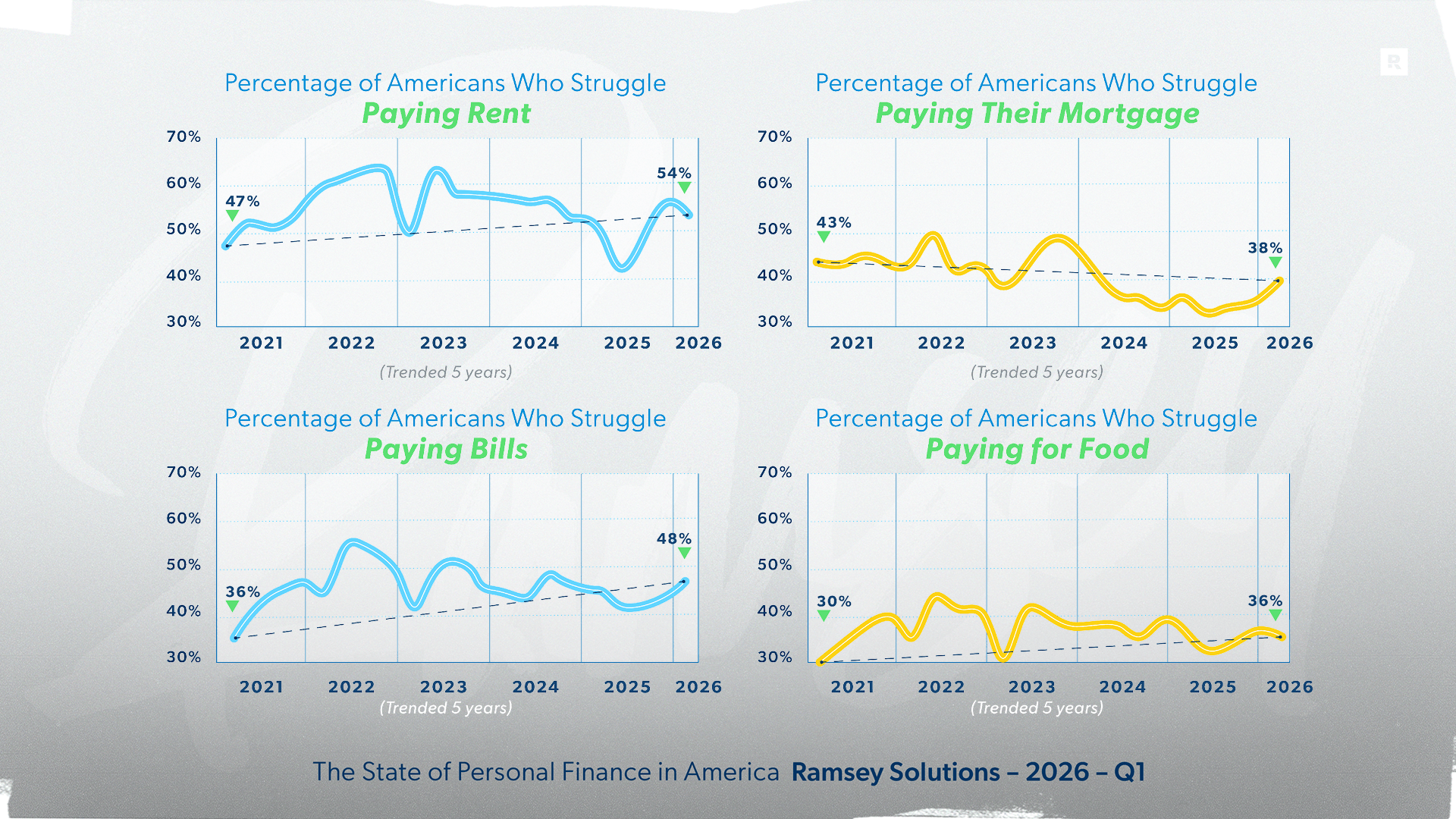
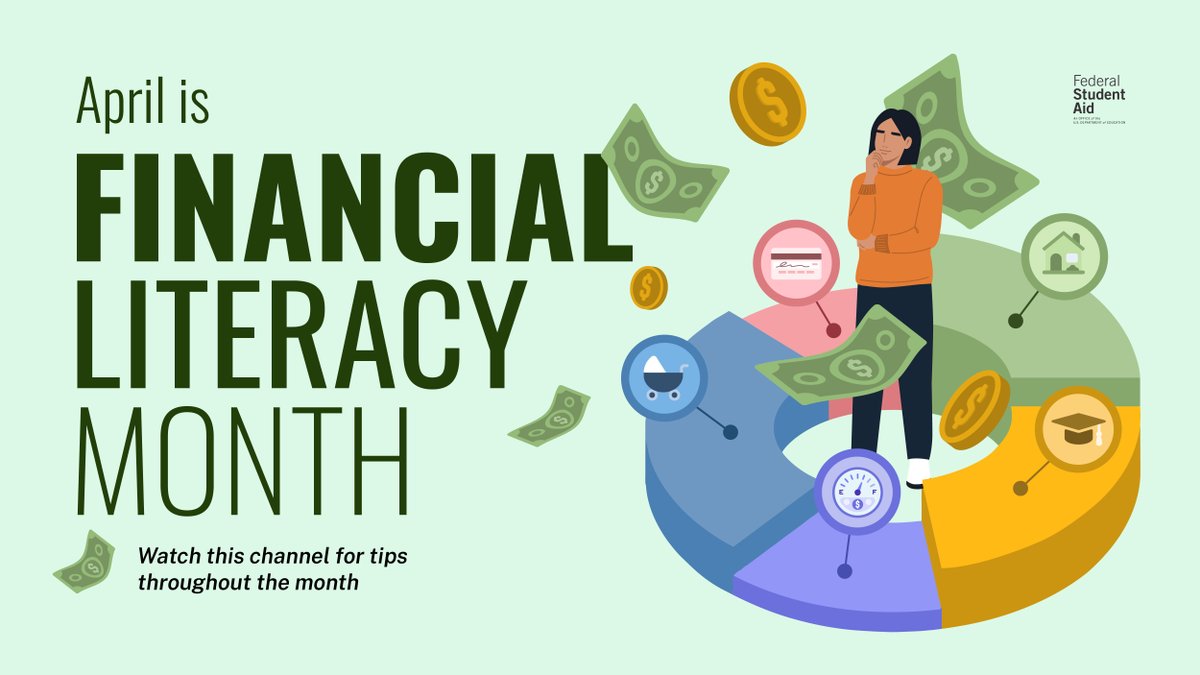
April is Financial Literacy Month, officially designated by the U.S. Senate to raise awareness about smart money management. In 2026, with rising gas prices, mortgage rate uncertainty, and student loan changes, building financial literacy has never been more important for Americans seeking to protect and grow their wealth.
April 2026 brings a convergence of major personal finance developments: the federal tax deadline on April 15, the Treasury Department taking over defaulted student loans, gas prices surging nearly 35 percent due to Middle East conflict, and mortgage rates rising again. Here is what consumers need to know to protect their financial well-being.
Experian's April 2026 personal finance roundup highlights several key developments affecting American households. The federal tax deadline of April 15 is approaching, while the Treasury Department is taking over management of defaulted federal student loans affecting 9.2 million borrowers. Gas prices have surged nearly 35% in the past month due to Middle East conflict disrupting oil supply, and mortgage rates are on the rise again.
The Securities and Exchange Commission's Office of Investor Education and Assistance announced it will highlight financial planning tools and resources throughout April 2026 as part of National Financial Literacy Month. SEC Chairman Paul S. Atkins encouraged individuals and families to reflect on the key role investing can play in achieving financial independence. Key advice includes starting early, living within one's means, and investing consistently in a long-term, diversified plan.
Michigan Governor Gretchen Whitmer proclaimed April 2026 as Financial Literacy Month and signed bipartisan legislation requiring a personal finance class in Michigan's high school curriculum. Research shows students who receive personal finance education in high school are more likely to have higher credit scores, fewer credit card delinquencies, and less debt. The initiative is part of a nationwide push to integrate financial literacy into education, with 30 states now mandating such instruction.
Wealth management experts are highlighting AI-driven personalized advice, diversified portfolios, and tax-efficient strategies as the top wealth-building approaches for 2026. The federal estate tax exemption is expected to increase to $15 million per individual, creating new planning opportunities. Robo-advisors and tokenized digital assets are also reshaping how Americans of all income levels approach investing.
The U.S. Treasury Department is assuming control of approximately $180 billion in defaulted federal student loans from 9.2 million borrowers as part of a new partnership with the Department of Education. Meanwhile, Americans are facing rising financial pressures with gas prices up 35% in a month and mortgage rates climbing to 6.22%. Financial experts are urging borrowers to understand their options before collections resume.
The White House has issued a presidential message recognizing April 2026 as National Financial Literacy Month, highlighting the administration's 'Trump Accounts' initiative that provides $1,000 to every child born between 2025 and 2028. The Treasury Department is expanding access to free financial education resources, and the Financial Literacy and Education Commission is updating the U.S. National Strategy for Financial Literacy.
ABC News anchor and certified financial education instructor Alison Kosik will keynote the North Idaho Women and Their Money Conference on June 9, 2026. The event aims to empower women to achieve financial clarity and independence through education, community, and practical money management strategies.
The American Bankers Association Foundation has submitted recommendations to the U.S. Treasury Department for updating the national financial literacy strategy, emphasizing public-private partnerships, youth investment accounts, and fraud prevention as core pillars of financial education in 2026.
The U.S. Treasury Department is taking over collection of $180 billion in defaulted federal student loans from 9.2 million borrowers, while 7 million additional borrowers face imminent payment increases. The $1.7 trillion federal student loan portfolio transition marks the largest restructuring of student debt management in U.S. History.
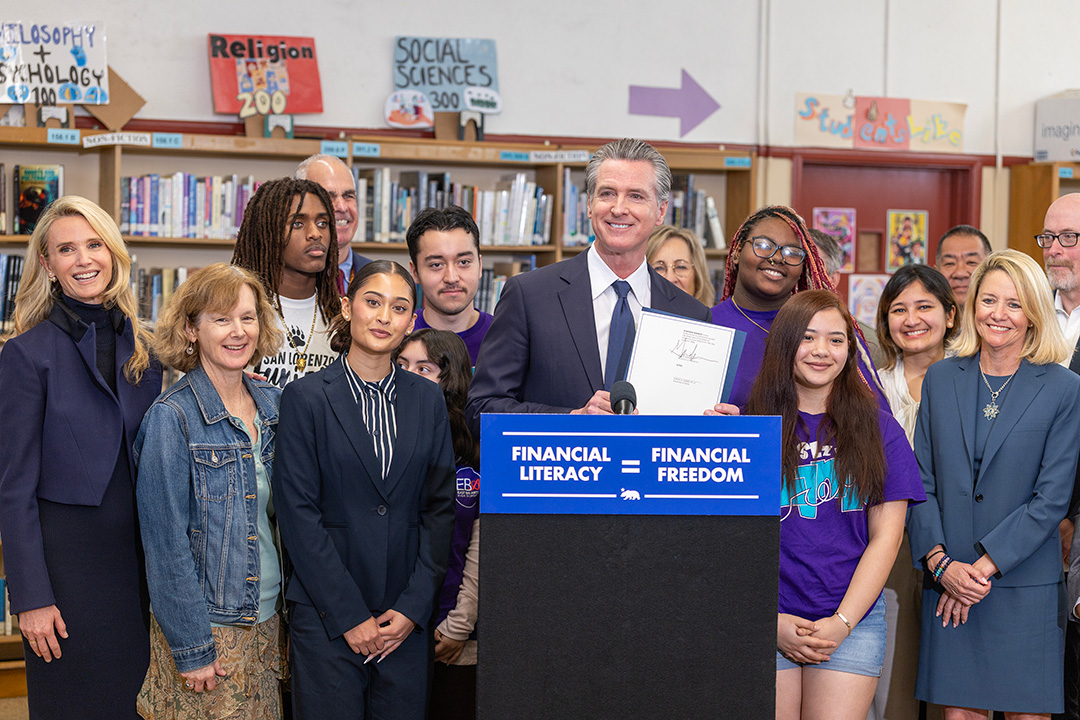
California Governor Gavin Newsom signed legislation in March 2026 expanding financial literacy education in schools and creating new wealth-building pathways for women. The initiative includes mandatory personal finance courses in high schools, expanded access to small business loans for women entrepreneurs, and new state-backed investment accounts for low-income families.
The U.S. Senate has officially designated April 2026 as Financial Literacy Month, with Regions Bank, Jump$tart Coalition, and other organizations launching new resources for Americans. The designation coincides with the April 15 federal tax deadline, rising mortgage rates now at 6.22%, and the Treasury Department''s takeover of $180 billion in defaulted student loans.

Financial experts are recommending a multi-pronged approach to wealth building in 2026, including maximizing 401(k) contributions (now at $24,500), diversifying into alternative investments like real estate and private equity, and using AI-augmented financial advisors. Tax-loss harvesting, Roth conversions, and strategic estate planning are also highlighted as key tools. A self-made millionaire advises focusing on increasing income, consistent investing, and financial education as the three pillars of wealth creation.

April 2026 brings significant personal finance challenges, with mortgage rates reaching 6.22%, gas prices surging nearly 35% to $3.98 per gallon due to Middle East tensions, and the Treasury Department taking over management of $1.7 trillion in federal student loans. The federal tax deadline is April 15, and the IRS is warning of new tax scams related to the 'One Big Beautiful Bill Act.' Economists suggest March nonfarm payrolls exceeding expectations will support consumer loan demand.
The U.S. Senate has officially designated April 2026 as Financial Literacy Month, with the Treasury Department and SEC launching major education initiatives to help Americans build wealth and financial security. Treasury Secretary Scott Bessent emphasized that financial literacy 'fuels the American dream,' while the SEC highlighted the power of compound growth and long-term investing. New 'Trump Accounts' for minors are set to launch in July 2026 as a tax-advantaged investment vehicle.
Wealth-building strategies for 2026 are being reshaped by AI-driven financial advice, the growth of digital assets, and expanding access to private markets. Experts recommend diversified portfolios combining low-risk liquid investments, income-focused options, and high-growth strategies including S&P 500 index funds and Bitcoin ETFs. Tax-efficient strategies using 401(k)s, IRAs, and HSAs remain foundational, while real estate continues to offer stable long-term appreciation.
April 2026 brings several critical personal finance developments: the federal tax deadline of April 15 for 2025 returns, the Treasury Department taking over management of $180 billion in defaulted student loans, and gas prices surging to nearly $4 per gallon due to Middle East conflict disruptions. High-yield savings accounts continue to offer competitive rates of up to 4% APY, while the job market shows mixed signals with 178,000 jobs added in March.

The Securities and Exchange Commission and the U.S. Department of the Treasury are leading Financial Literacy Month 2026 initiatives, emphasizing tools and resources to help Americans achieve financial independence. SEC Chairman Paul S. Atkins encouraged individuals to reflect on the role investing can play in achieving financial independence, while Treasury Secretary Scott Bessent highlighted financial literacy as the fuel for the American Dream. Key topics include long-term investing, tax-advantaged accounts, compound growth, and fraud prevention.
J.P. Morgan Private Bank has released its annual guide to wealth planning, outlining 10 essential moves for high-net-worth individuals to protect and grow their wealth in 2026. The guide emphasizes portfolio resilience, tax efficiency, estate planning, and cybersecurity as top priorities in an uncertain economic environment. Experts also highlight the importance of charitable giving strategies and family financial conversations.
The U.S. Treasury Department and the Securities and Exchange Commission are marking Financial Literacy Month in April 2026 with a range of initiatives, events, and resources designed to help Americans make informed financial decisions. Treasury Secretary Scott Bessent emphasized that financial literacy is the foundation of the American dream, while the SEC is highlighting tools on Investor.gov to encourage financial independence. The Financial Literacy and Education Commission is also seeking public input on new initiatives, including 'Trump Accounts' for youth investing.
The 2026 401(k) contribution limit has increased to $24,500, with enhanced catch-up contributions for older workers, as wealth management experts urge Americans to maximize tax-advantaged retirement savings. AI-driven financial advice and private market access are also reshaping how individuals build long-term wealth.
The U.S. Department of the Treasury is taking over collection of approximately $180 billion in defaulted federal student loans from 9.2 million borrowers, in a major shift from the Department of Education. The transition affects over 42 million federal student loan borrowers and could lead to wage garnishment and seizure of tax refunds.
The Securities and Exchange Commission is spotlighting financial planning tools and resources during April's National Financial Literacy Month 2026, encouraging Americans to start investing early, live within their means, and build emergency funds. SEC Chairman Paul Atkins emphasized the role of capital markets in achieving financial independence.
Financial experts are outlining key wealth-building strategies for 2026, emphasizing diversified investing, maximizing retirement contributions, and using AI-powered financial tools. With 401(k) contribution limits rising to $24,500 and federal estate tax exemptions at $15 million per person, 2026 presents significant opportunities for those who plan strategically.

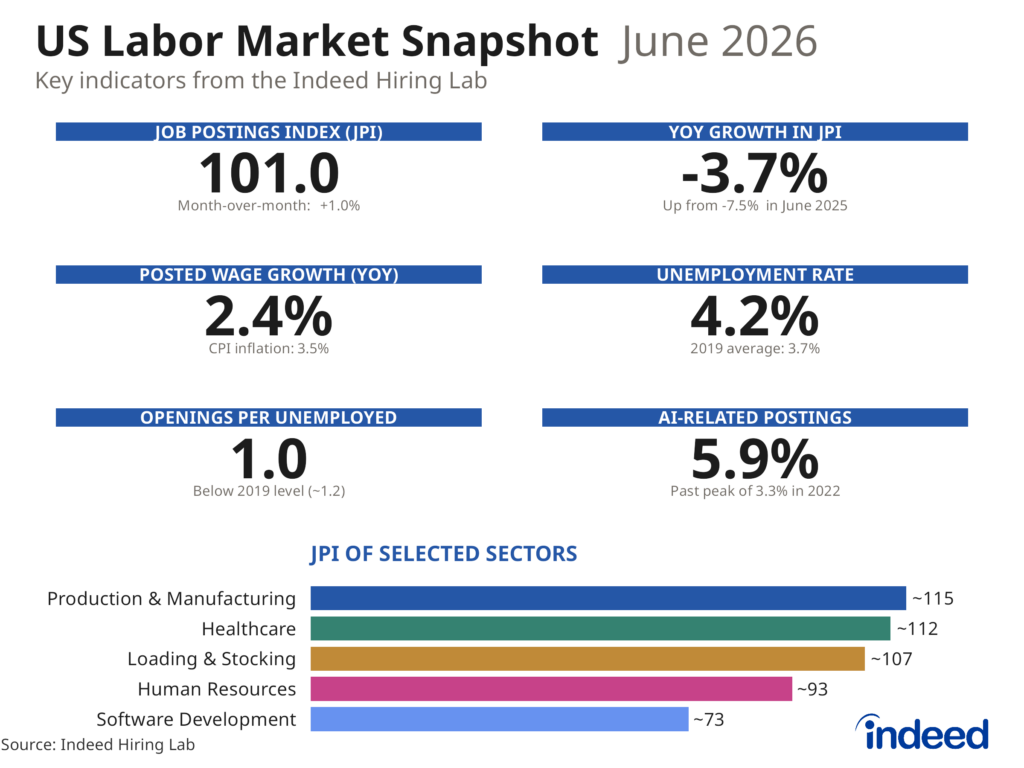
The Consumer Price Index rose just 2.4 percent year-over-year in January 2026, the slowest pace since May 2025, fueling speculation that the Federal Reserve could resume cutting interest rates as early as June 2026. Core CPI also hit its lowest reading since April 2021, signaling continued progress toward the Fed's 2 percent inflation target.
The average rate on a 30-year fixed mortgage fell to 5.99 percent on February 23, 2026, its lowest level since September 2022, driven by bond market improvements, tariff uncertainty, and economic weakness. The decline has triggered a surge in refinance applications, up 132 percent year over year, offering significant relief for homebuyers and homeowners.
Bitcoin has favorable properties as a long-term wealth-building investment despite its volatility. With over 95% of the 21 million BTC that will ever exist now in circulation, supply constraints paired with growing demand create a recipe for long-term price appreciation.
The Financial Literacy and Education Commission holds public meeting to discuss Trump Accounts implementation and gather feedback for updating the national strategy. Only 38% of Gen Z meet basic financial literacy benchmarks.
The average IRS tax refund has increased by 10.9% compared to last year, providing welcome financial relief to millions of Americans. However, some filers are experiencing delays due to the IRS paper check phaseout.
Governor Newsom announced the adoption of a statewide personal finance curriculum for high school students and signed an executive order to expand women's access to capital, savings, and investment opportunities in California.
Financial experts outline key wealth-building strategies for 2026, emphasizing the role of technology, diversification, and strategic planning in achieving long-term financial success.
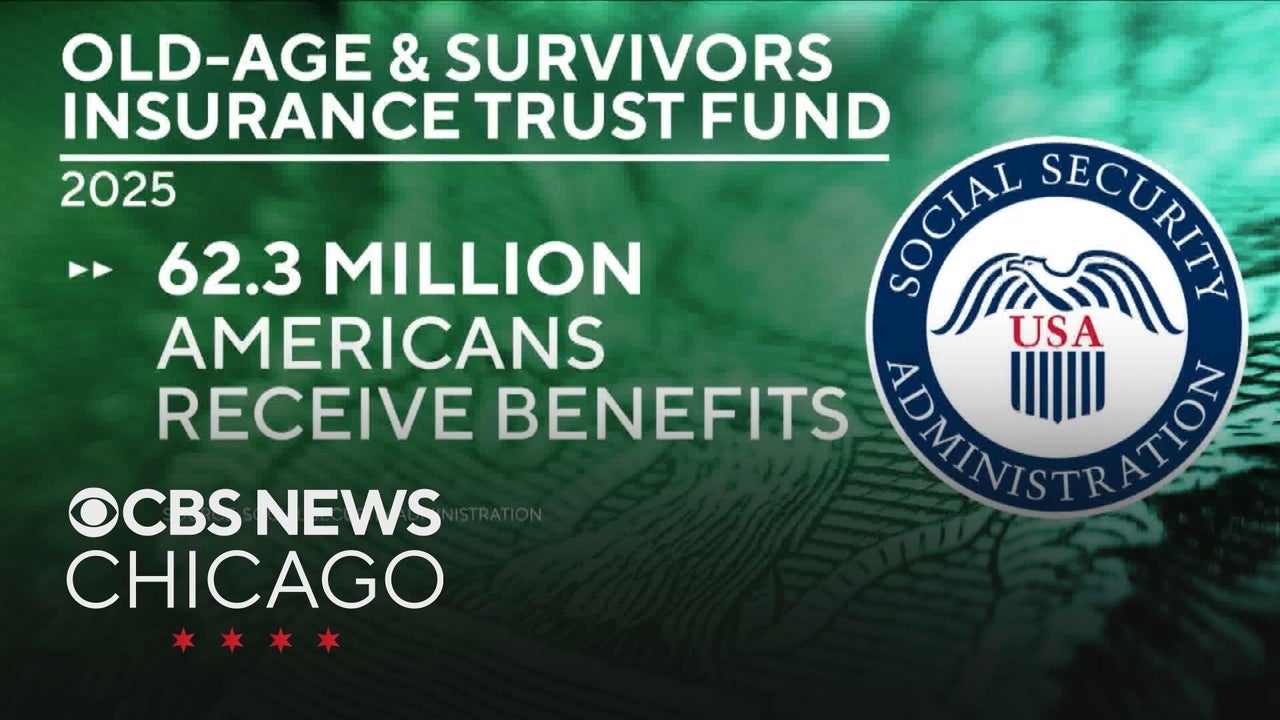
With Social Security benefits potentially facing changes in six years, experts and policymakers are debating solutions, including proposals to cap benefits for the ultrawealthy to extend solvency.
Governor Newsom announces statewide personal finance curriculum for high schools and new initiatives to close the gender wealth gap, marking significant progress in financial education.
Only 33% of adults worldwide are financially literate, with significant gaps across gender, age groups, and income levels, prompting national strategies in over 90 countries.
The Financial Literacy and Education Commission is updating its national strategy, emphasizing 'Trump Accounts' to provide real-world investing experience for children.
Governor Newsom announces statewide personal finance curriculum for high school students and signs executive order to expand women's access to capital and wealth-building opportunities.
The Board of Trustees for Mississippi Institutions of Higher Learning has adopted a policy requiring financial literacy education for all undergraduates, equipping students with practical money management skills.
Financial experts outline key strategies for building wealth that can be passed down to future generations, including smart investing, estate planning, and financial education.
Larry Fink, CEO of BlackRock, argues that Social Security fails to help most Americans build wealth, while Trump accounts may offer a significant wealth-building tool.
Wealth management in 2026 emphasizes AI-augmented advisory services, tokenization of cash, and strategic tax planning for optimal financial growth.
Governor Newsom signs executive order to expand women's access to capital and strengthen financial literacy education in California schools.
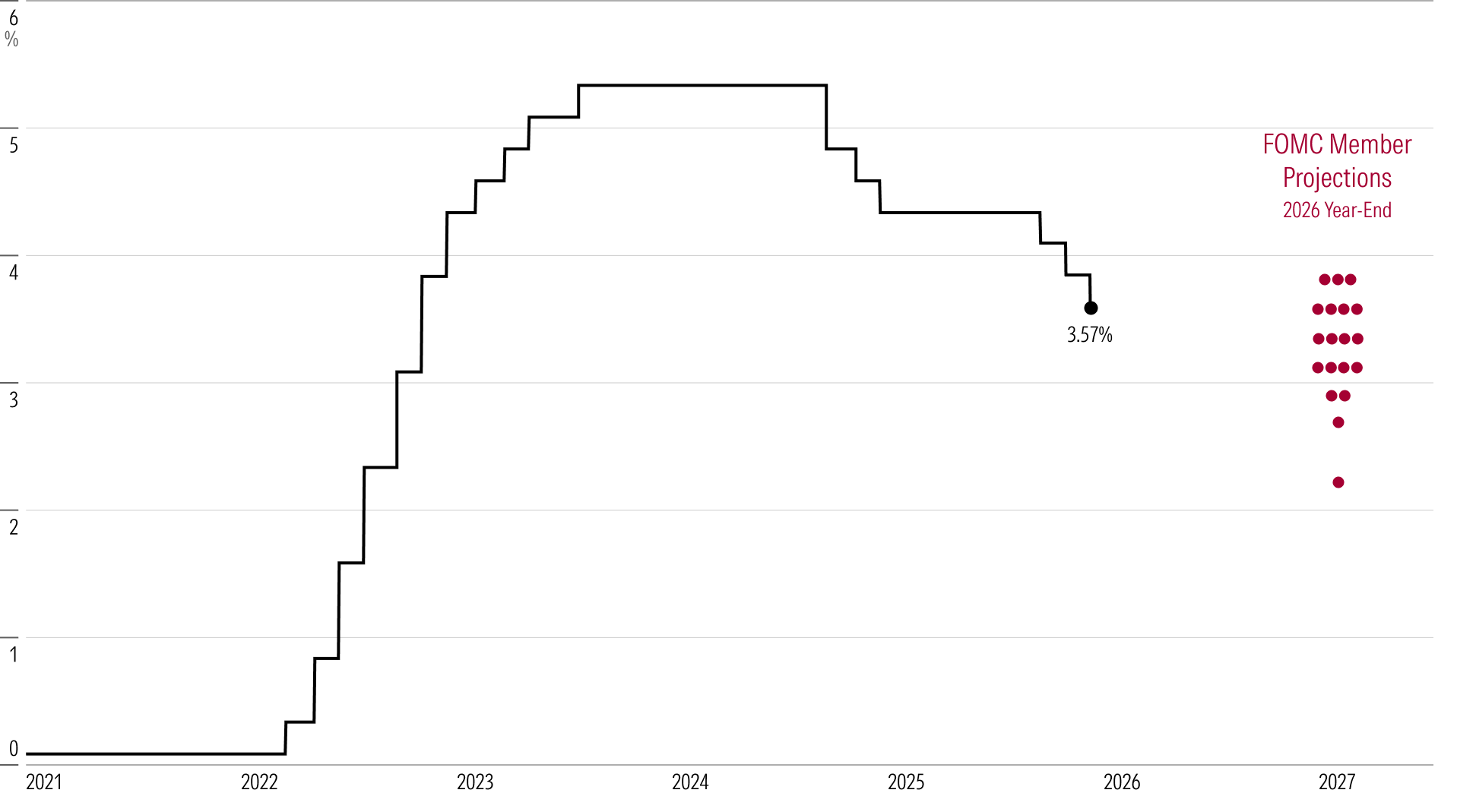
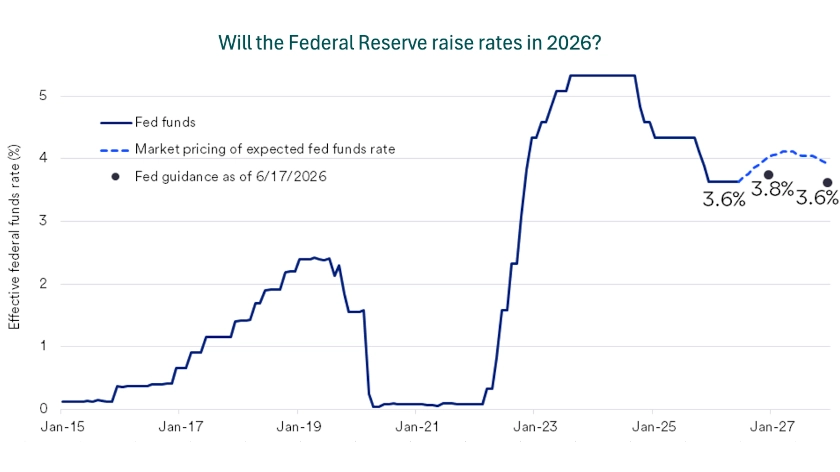
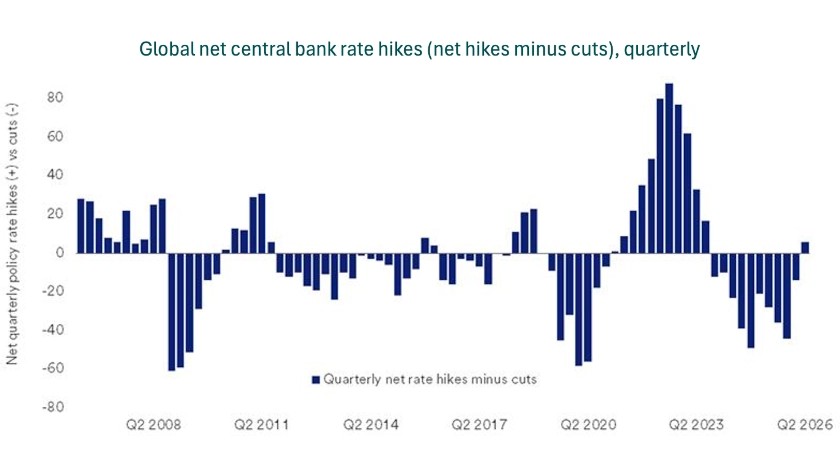
The Fed maintains unchanged interest rates in March 2026 as geopolitical tensions from the Iran conflict influence oil prices and economic outlook.
California implements mandatory personal finance courses for high school students and expands women's access to capital and wealth-building opportunities.
Financial experts recommend high-yield savings accounts, budgeting apps, balance transfer cards, and retirement accounts to help Americans achieve their financial goals in 2026.
California announces a statewide personal finance curriculum for high school students and signs an executive order to expand women's access to capital and wealth-building opportunities.
Governor Newsom announced adoption of a statewide personal finance curriculum for high schools and signed an executive order to expand women access to capital.
The average rate for a 30-year fixed mortgage dropped to 5.99% in February 2026, leading to a 132% year-over-year surge in refinance applications.
While retirement account balances reached record highs in 2025, hardship withdrawals also increased, highlighting financial pressures on American workers.
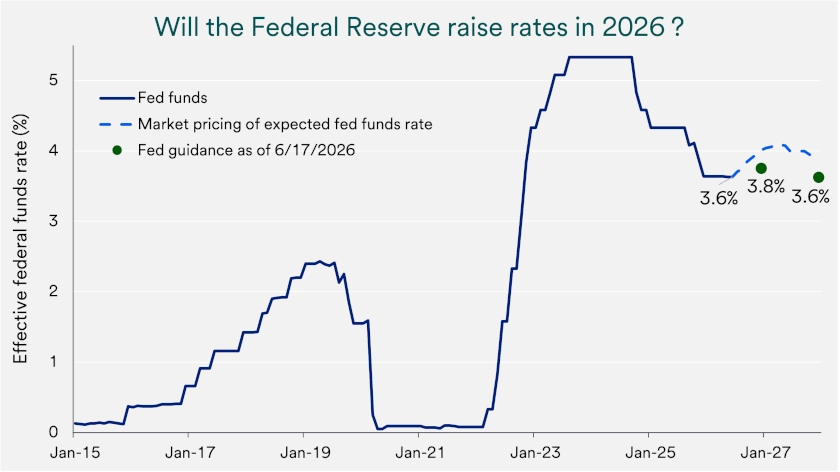
High-yield savings accounts are offering rates up to 5.00% as the Federal Reserve maintains its current interest rate policy.
The average IRS tax refund has shown a significant increase of 10.6% according to recent filing data, providing welcome news for taxpayers.
The average rate on a 30-year fixed mortgage fell to 5.99% in late February 2026, its lowest level since September 2022, but later rose back above 6% in mid-March due to concerns about the Middle East conflict.
Generational wealth is financial wealth and assets that can be passed down from one generation to the next. Follow these five steps to get started on your generational wealth building journey: pay off debts, buy a house, start long-term investing, put an estate plan in place, and share your financial wisdom.
The Consumer Price Index rose 2.4% year-over-year in January 2026, down from 2.7% in December, marking the slowest pace of inflation since May 2025 and boosting speculation that the Fed could resume cutting rates as early as June 2026.
Artificial intelligence tools are making it easier than ever to start and manage side hustles, with automated features for invoicing, marketing, and bookkeeping helping individuals diversify income streams.
The average 30-year fixed mortgage rate dropped to 5.99% in February 2026, spurring refinance applications while home buyers remain cautious due to high prices and limited inventory.
401(k) contribution limits rise to $24,500 for 2026, with new Roth catch-up rules for high earners and increased IRA limits offering more opportunities to save for retirement.
An increasing number of women are entering skilled trades professions, breaking traditional gender barriers and finding rewarding careers in fields like plumbing, electrical work, and carpentry.
Recent IRS filing data shows that the average tax refund has increased by 10.6 percent, providing welcome financial relief to millions of American taxpayers during the 2026 tax season.
A new analysis reveals that older women are projected to inherit a significant portion of a $54 trillion spousal great wealth transfer as baby boomers age, creating rare financial opportunities and challenges.
The Federal Reserve held its benchmark rate steady at 3.5% to 3.75% in January 2026. Cooler-than-expected inflation data renewed speculation of rate cuts as early as June 2026.
Artificial intelligence is increasingly integrated into personal finance tools in 2026. Conversational AI, embedded finance, and biometric security are becoming standard features.
The annual contribution limit for 401(k), 403(b), and similar retirement plans increases to $24,500 in 2026. IRA contribution limits rise to $7,500. New provisions for catch-up contributions also take effect.
As we move into 2026, wealth building continues to evolve with technological advancements, economic shifts, and changing consumer behaviors. Strategic planning and diversification remain essential for effective wealth accumulation.
Early IRS filing data shows the average tax refund has increased by 10.6%, though changes to IRS paper checks have led to delays for over 830,000 filers. Experts advise early filing and careful review this tax season.
Research by Stanford demonstrates that simple, two-minute online stories can significantly improve adults financial knowledge, offering an inexpensive and scalable solution.
Financial experts identify four key trends shaping personal finance in 2026, including AI integration in financial tools, potential interest rate declines, the growth of side hustles, and new tax regulations.
Despite the growing recognition of the importance of financial literacy, only 27 states mandate a personal finance course.
The bipartisan caucus is actively promoting financial education by introducing a resolution.
A full financial education program implemented in Peruvian high schools has demonstrated remarkable success.