Higher 401k Limits and New Catch-Up Rules Give Savers More Room in 2026
The annual 401(k) contribution limit rose to $24,500 in 2026, and IRA limits increased to $7,500. Workers aged 60 to 63 can now contribute an additional $11,250 in catch-up contributions to 401(k) plans. Financial advisers say April is a good time to review retirement account settings.
Workers saving for retirement have more room in 2026. The annual contribution limit for 401(k), 403(b), governmental 457 plans, and the federal Thrift Savings Plan rose to $24,500, up from $23,500 in 2025. IRA contribution limits increased to $7,500, up from $7,000.
Catch-up contributions also expanded. Workers aged 50 or older can contribute an additional $8,000 to 401(k), 403(b), and 457 plans. Workers aged 60 to 63 get an even larger boost: an additional $3,250 on top of the standard catch-up, for a total of $11,250 in extra contributions. IRA catch-up contributions increased by $1,100.
One new rule applies to high earners. If prior-year Federal Insurance Contributions Act wages exceeded $150,000, catch-up contributions must be made as Roth contributions rather than traditional pre-tax contributions.
Financial advisers say April is a practical time to review retirement account settings. After receiving W-2 forms in January, workers can use the IRS Tax Withholding Estimator to check whether their W-4 is set correctly. Overpaying taxes means giving the government an interest-free loan. Underpaying can trigger penalties.
Asset allocation is also worth reviewing. A mix of stocks, bonds, and cash that made sense two years ago may not match current goals or risk tolerance. Advisers recommend checking whether the portfolio still reflects the investor's time horizon and objectives.
529 college savings plans also have higher limits in 2026. Each state sets its own cap, ranging from $235,000 to over $600,000.
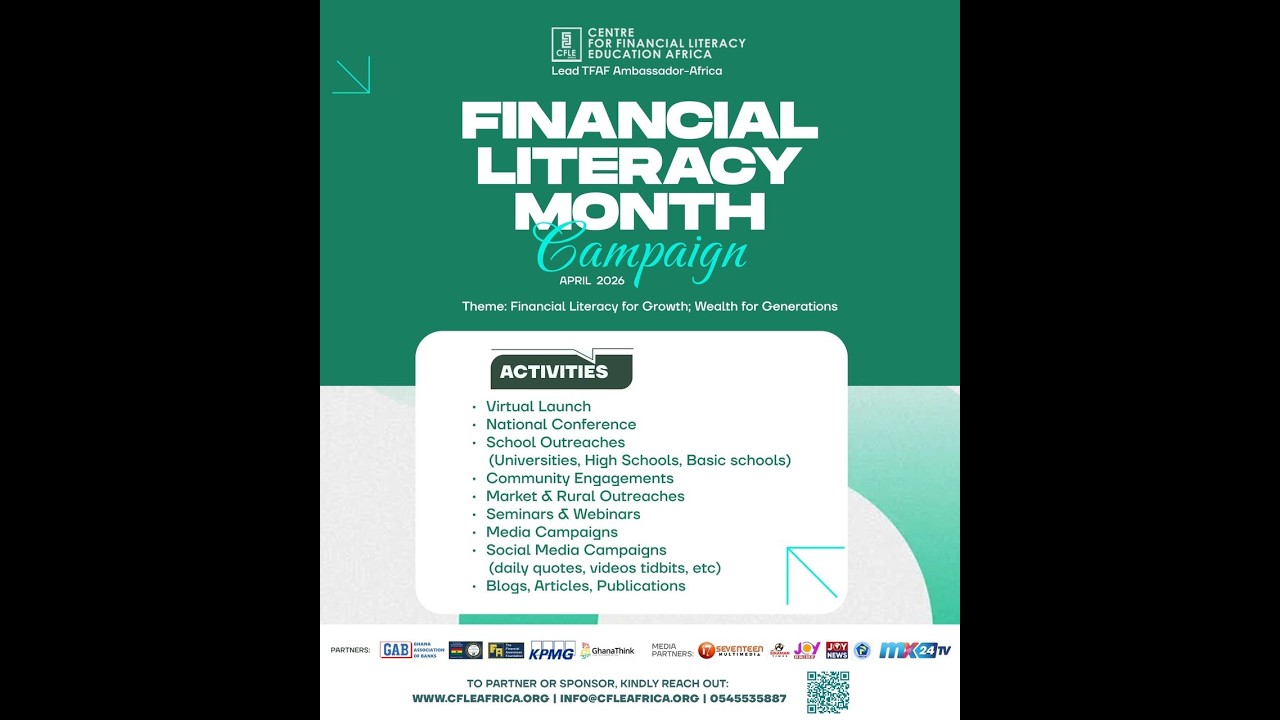
April is Financial Literacy Month, designated by the U.S. Senate to promote smart money management. Free resources on budgeting, credit, and investing are available through the Consumer Financial Protection Bureau and nonprofit financial education organizations.