Retirement Confidence Falls as Workers Raid 401k Accounts Amid Inflation Pressure
Only 64 percent of Americans feel confident they will have enough money to live comfortably in retirement, down from the previous year, according to the 2026 Retirement Confidence Survey by the Employee Benefit Research Institute. Worker confidence specifically dropped to 61 percent. A concerning trend shows workers withdrawing funds from their 401k accounts as average balances decline.
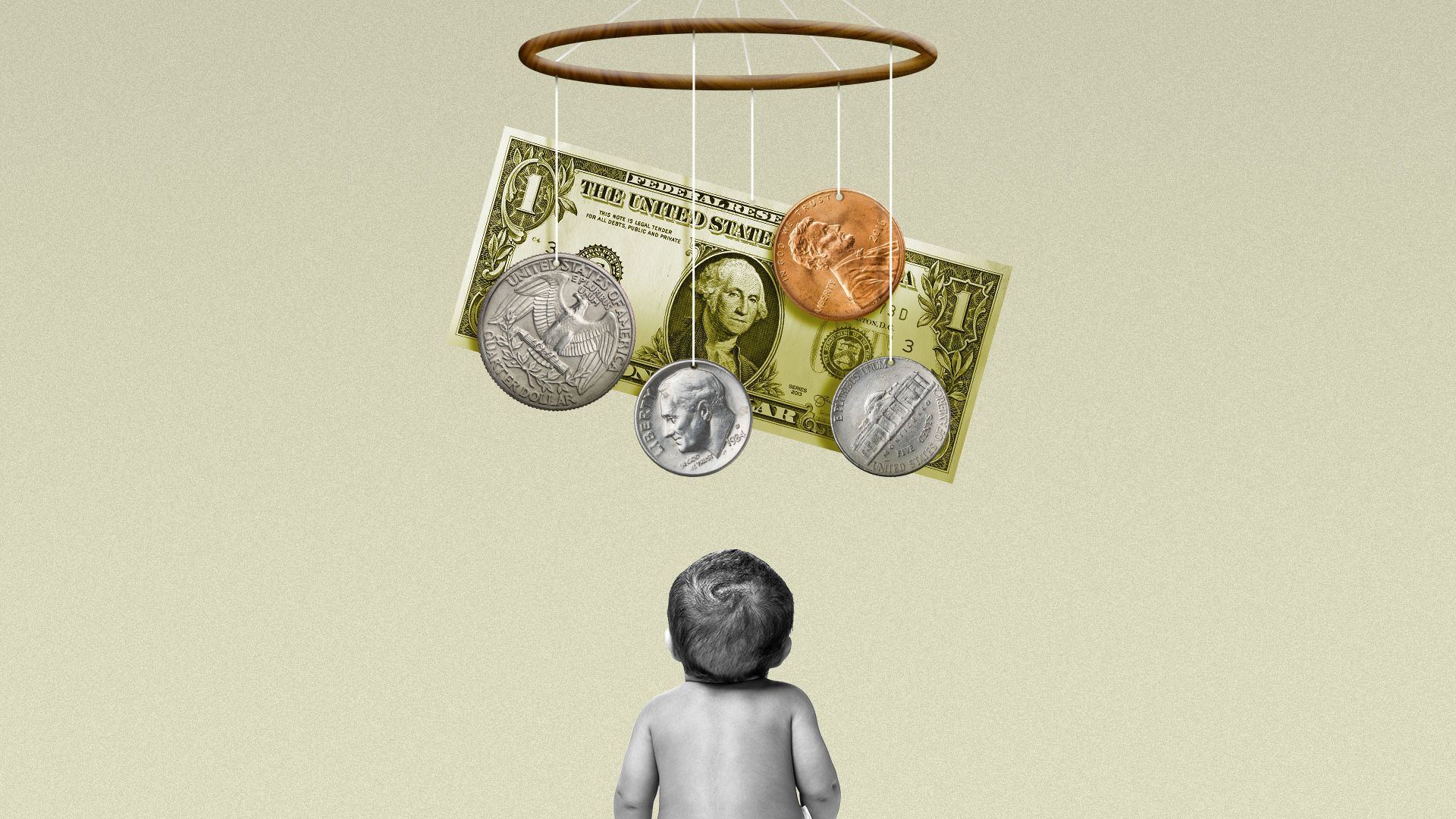
Only 64 percent of Americans feel confident they will have enough money to live comfortably in retirement, down from the previous year, according to the 2026 Retirement Confidence Survey by the Employee Benefit Research Institute. Worker confidence specifically dropped to 61 percent.
A concerning trend shows workers withdrawing funds from their 401(k) accounts as average balances decline. Financial advisors warn that early withdrawals trigger taxes and penalties, and permanently reduce the compounding growth that makes retirement accounts effective over time.
The Consumer Price Index rose 3.3 percent over the 12 months ending in March 2026, up from 2.4 percent in early 2026. The spike was driven largely by a 21.2 percent surge in gasoline prices linked to geopolitical instability in the Strait of Hormuz. Inflation continuing to outpace wage growth has put pressure on household budgets.
Updated 2026 contribution limits for 401(k), 403(b), and 457 plans increased to $24,500. Catch-up contributions for those aged 50 and older were also adjusted, with specific provisions for those aged 60 to 63.
A new bill has been proposed that would allow retirees to use 401(k) accounts for direct charitable donations, which could provide tax advantages for those who are charitably inclined.
Financial planners recommend several steps for those worried about retirement readiness: maximize employer matching contributions before directing money elsewhere, avoid early withdrawals, and consider consulting a fee-only financial advisor to review your overall plan.
The average tax refund for the 2026 filing season reached $3,397, an 11.2 percent increase compared to 2025. Experts suggest directing refunds toward retirement savings or high-interest debt rather than discretionary spending.