Treasury Takes Over $180 Billion in Defaulted Federal Student Loans from Education Department
The U.S. Department of the Treasury began taking over collection of approximately $180 billion in defaulted federal student loans from 9.2 million borrowers in April 2026. The shift is part of a broader transfer of the nearly $1.7 trillion federal student loan portfolio from the Department of Education to the Treasury.
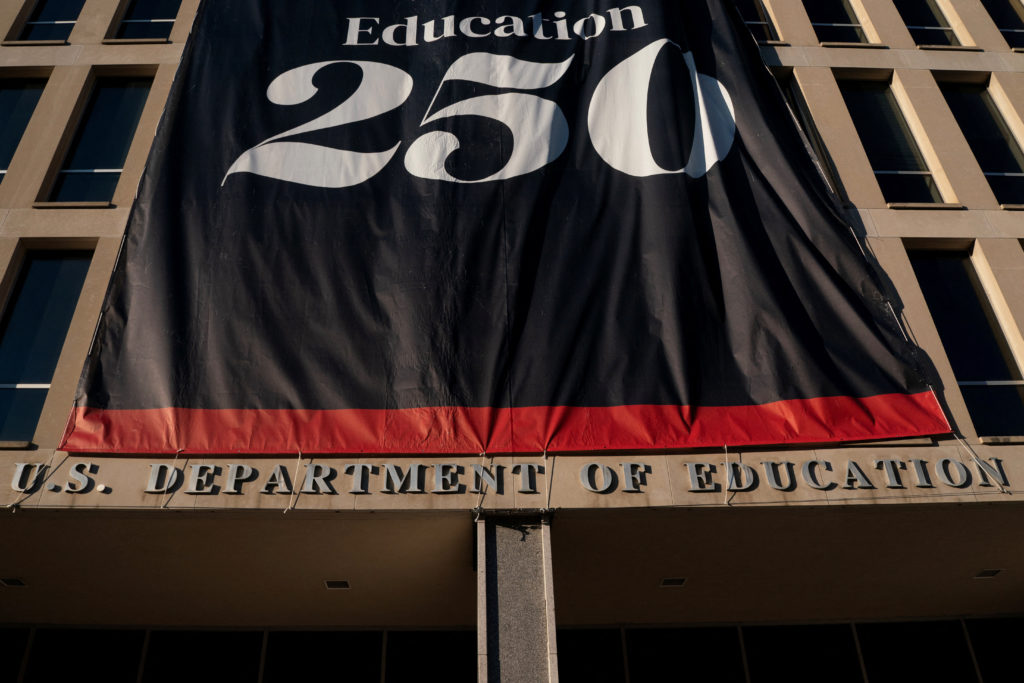
The U.S. Department of the Treasury began taking over collection of approximately $180 billion in defaulted federal student loans in April 2026, affecting 9.2 million borrowers. The move is the first phase of a broader transfer of the federal student loan portfolio from the Department of Education to the Treasury.
The full portfolio totals nearly $1.7 trillion. Under 40% of borrowers are currently in repayment, and almost 25% are in default. Subsequent phases of the transfer will expand the Treasury's role to non-defaulted loans and eventually FAFSA administration.
Borrowers in default face serious consequences. The Treasury can garnish up to 15% of wages and seize federal tax refunds and Social Security benefits. Involuntary collections on defaulted loans are currently on hold, but officials have not confirmed when they will restart.
The Treasury is also taking over the Default Resolution Group, which previously served as the main contact point for defaulted borrowers seeking counseling or rehabilitation programs. Advocates warn this transition could cause delays for borrowers trying to restore good standing.
A federal student loan is typically considered in default after 270 days without payment. Warning signs include consistently missing payments, difficulty covering monthly costs due to rising expenses, and losing contact with loan servicers.
Defaulting triggers the entire loan balance becoming immediately due, a significant drop in credit score, and the loss of access to flexible repayment plans and forgiveness programs.
Financial counselors advise borrowers who are struggling to contact their loan servicers immediately to explore income-driven repayment plans or temporary relief options before reaching default status.