Clergy Appreciation Month Highlights Pastoral Care Amid Growing Community Challenges
October 2026 is Clergy Appreciation Month, with faith organizations across the country encouraging congregants to recognize pastors and ministry leaders. Groups like FāVS News are urging communities to send notes of gratitude to clergy who have provided support through social and personal challenges. The observance comes as many churches report increased demand for pastoral counseling.
October is Clergy Appreciation Month, and faith organizations across the United States are calling on congregants to recognize the pastors, priests, rabbis, and other ministry leaders who serve their communities year-round.
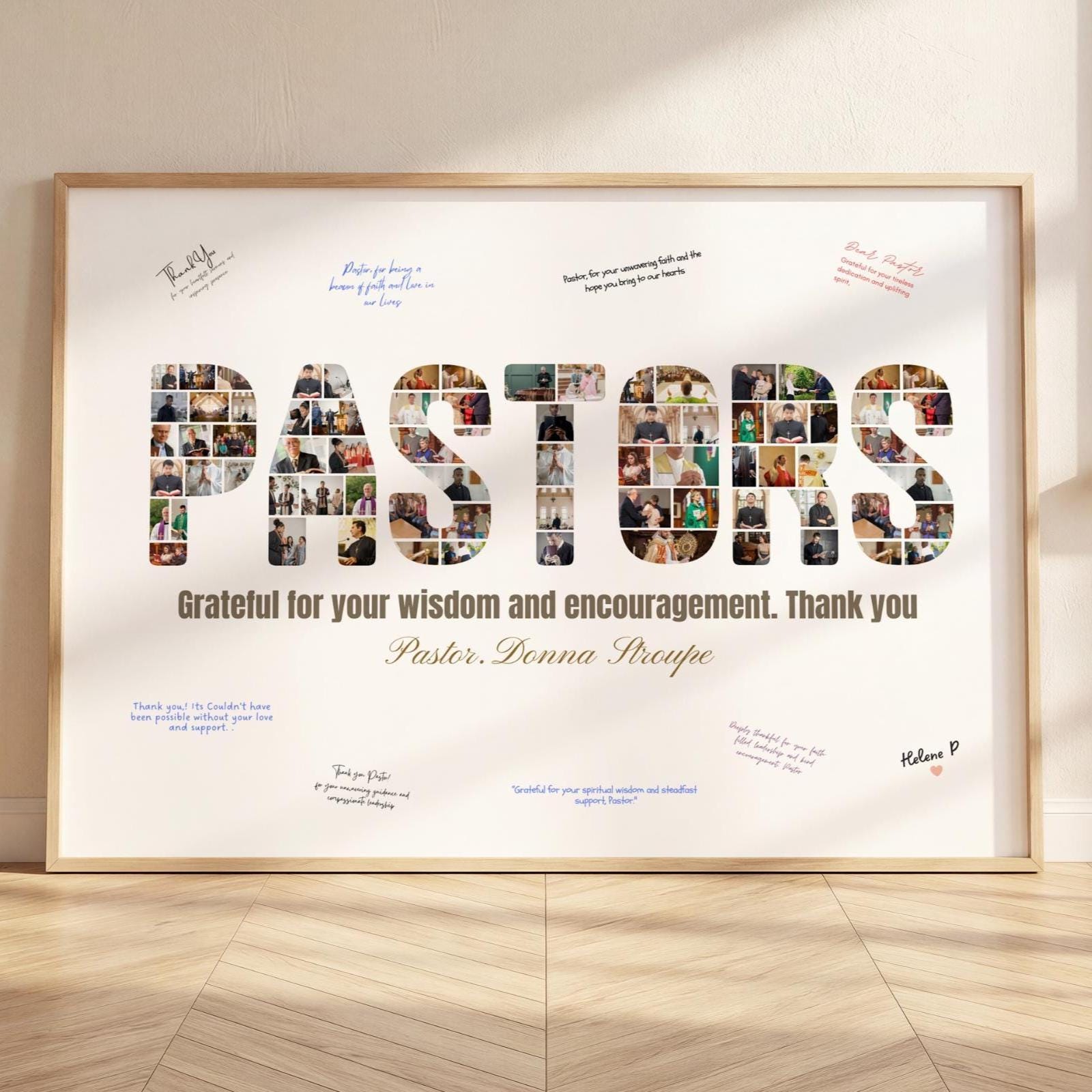
Groups including FāVS News, a faith and values news outlet based in Spokane, Washington, are encouraging people to send handwritten notes, emails, or public acknowledgments to clergy who have provided guidance and support.
The observance has taken on added significance in 2026, as many churches report increased demand for pastoral counseling. Clergy are frequently called on to help congregants navigate grief, financial stress, family conflict, and mental health challenges, often without the formal training or institutional support that licensed therapists receive.
Several denominations have used Clergy Appreciation Month to highlight the importance of supporting pastors' own mental health and well-being. Burnout among clergy has been a growing concern in recent years, with surveys showing that many pastors consider leaving ministry due to stress and isolation.
Community organizations have organized appreciation dinners, gift drives, and public recognition events at churches in cities including Atlanta, Chicago, Houston, and Philadelphia.
The month also serves as a reminder of the broader role clergy play beyond Sunday services. Many pastors run food pantries, after-school programs, addiction recovery groups, and emergency financial assistance programs that serve people regardless of religious affiliation.
Faith leaders say the recognition matters not just for morale, but because it reinforces the connection between congregations and the people who lead them.