Congressional Black Caucus Institute Launches SO VOTE Campaign Targeting Young and Rural Black Voters
The Congressional Black Caucus Institute launched its SO VOTE campaign in September 2026, targeting young and rural Black voters in competitive congressional races across Georgia, Mississippi, North Carolina, and Ohio. The effort is part of a broader push by Black civic and faith organizations to boost turnout ahead of the November 2026 midterm elections.
The Congressional Black Caucus Institute launched its SO VOTE campaign in September 2026, directing resources toward young and rural Black voters in key battleground states ahead of the November midterm elections.
The campaign focuses on competitive congressional races in Georgia, Mississippi, North Carolina, and Ohio. Organizers say these states have large Black populations that have historically turned out at lower rates in midterm years.
SO VOTE uses geotargeted digital content and direct community outreach rather than traditional television advertising. Campaign leaders say kitchen-table messaging about grocery prices and housing costs resonates more with low-propensity voters than broad political appeals.
The National Urban League is running a parallel effort called Reclaim Your Vote. That campaign uses the league's network of 90 affiliates to conduct door-to-door canvassing, text outreach, and voter registration drives. The National Baptist Convention USA is partnering with the league to engage Black congregations directly.
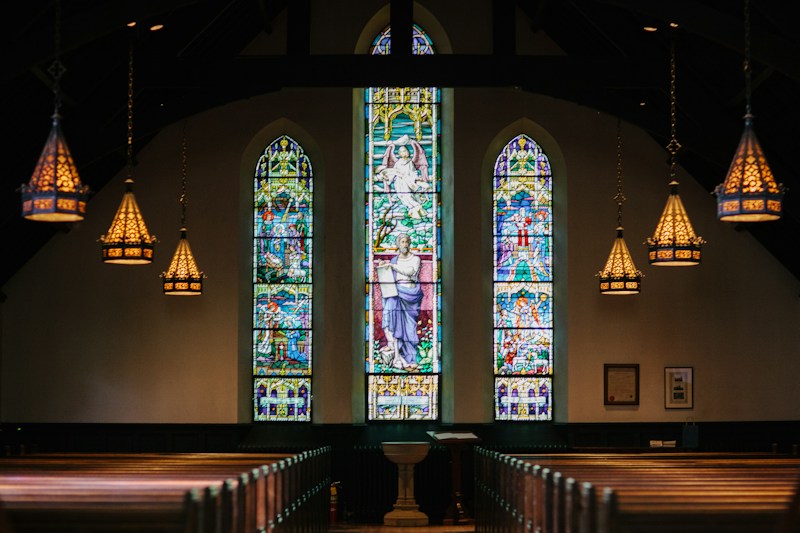
Faith leaders are central to both efforts. Pastor Mike McBride of Live Free and the Rev. Traci Blackmon of Faith Out Loud are reviving traditional mobilization models, including Sunday dinners to facilitate community dialogue and anchor churches that coordinate with local organizers.
The Samuel DeWitt Proctor Conference is implementing its Moving the Needle curriculum, which focuses on consistent civic engagement rather than one-time election-day efforts.
Organizers say the 2026 cycle is different from previous years. The goal is not just to win seats in November but to build political infrastructure that will carry into the 2028 presidential race.