Daily Blueberries Show Signs of Reducing Depression in Older Adults, Pilot Study Finds
A pilot study from Harvard Medical School and Hebrew SeniorLife found that older adults who consumed blueberry powder daily for three months showed a greater and more consistent reduction in depressive symptoms than those who took a placebo. The results did not reach statistical significance, but researchers identified subtle changes in gut microbial genes linked to GABA production. A larger study is needed to confirm the findings.
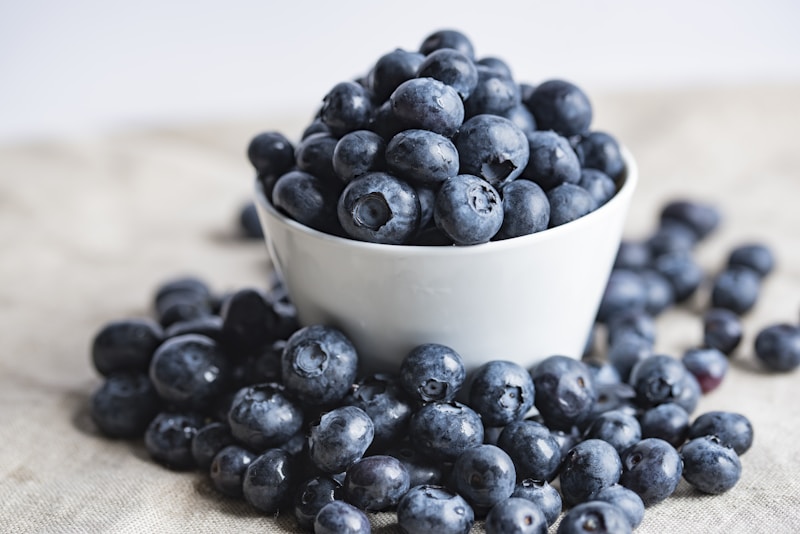
A pilot study from researchers at Hebrew SeniorLife's Hinda and Arthur Marcus Institute for Aging Research and Harvard Medical School found that older adults who consumed blueberry powder daily for three months showed a greater and more consistent reduction in depressive symptoms compared to a placebo group.
The study, published in The Journal of Nutrition, Health and Aging, enrolled adults aged 65 and older who were physically inactive and experiencing mild depressive symptoms. Over three months, 18 participants received either 48 grams of freeze-dried blueberry powder, roughly equivalent to two cups of fresh berries, or a matching placebo powder daily.
Participants in the blueberry group experienced a greater and more consistent reduction in depressive symptoms over the three-month period. However, this improvement did not reach statistical significance when compared to the placebo control. Depression scores improved in both groups, a common phenomenon in studies where regular engagement with research staff can influence participant well-being.
Researchers used metagenomic sequencing to analyze the gut microbiome. While the overall abundance of microbial species remained unchanged, they identified statistically significant alterations in genes associated with specific gut microbial enzymes in the blueberry group. One identified change involved a gene associated with the production of gamma-aminobutyric acid, a neurotransmitter involved in brain signaling. The researchers described this finding as speculative.
Brain-Derived Neurotrophic Factor, a protein involved in brain cell support and mood regulation, showed a slight increase in the blueberry group and a slight decrease in the placebo group, though this difference was not statistically reliable.
The research team emphasized that this was a small pilot trial intended to provide preliminary data. Key limitations include the small sample size of 18 participants, the homogeneity of the participant group, and potential confounding factors. Larger, more diverse studies are needed to determine whether blueberry consumption offers a genuine therapeutic effect for older adults with depression.