DC Black Churches Deploy Poll Chaplains and Voter Drives Ahead of Midterms
Black faith leaders in the Washington, D.C. area are organizing voter registration drives, mayoral debates, and poll chaplain programs ahead of the 2026 midterm elections. Pastors say the Black church has always been a center of civic action.
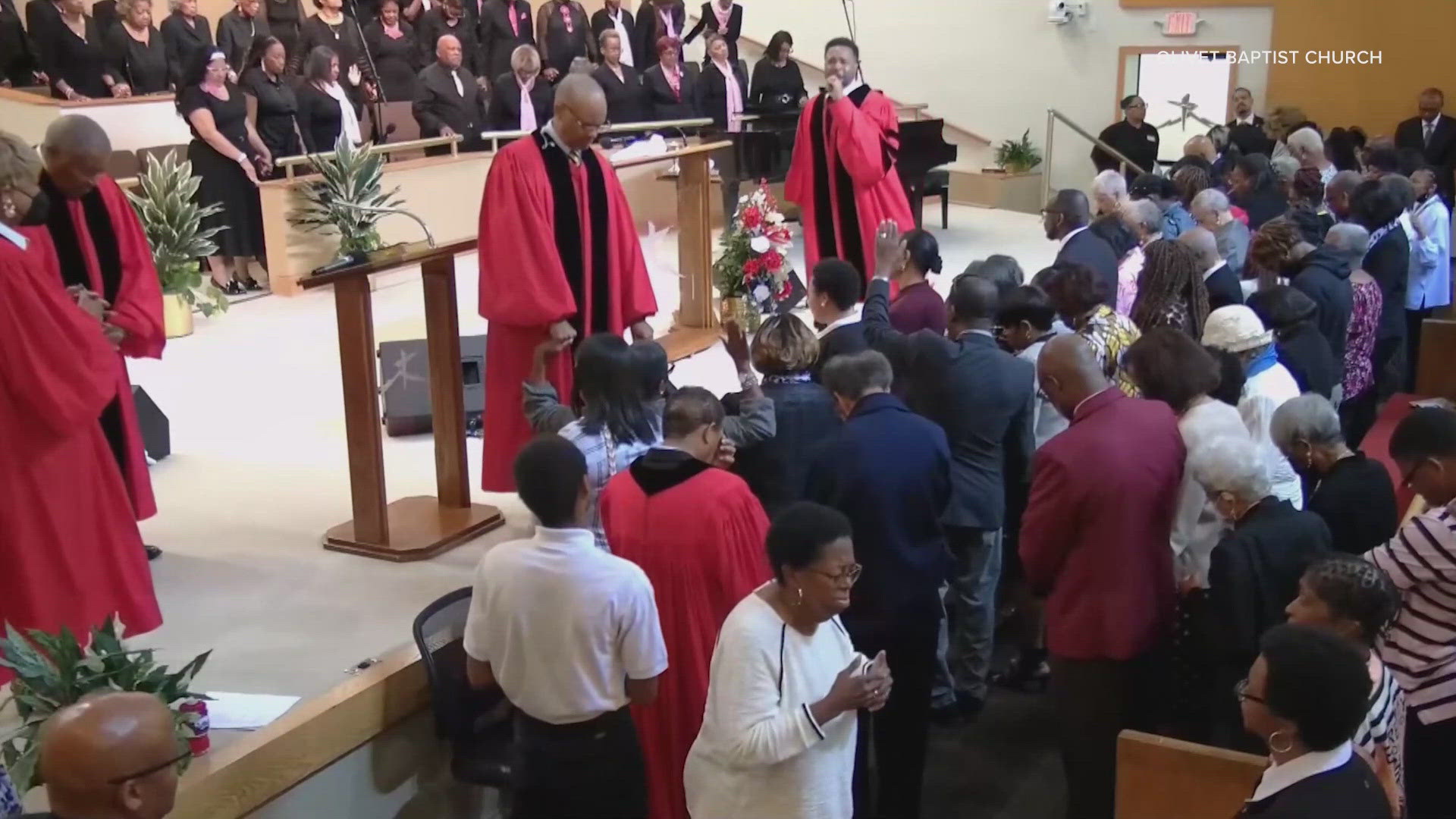
Black faith leaders in the Washington, D.C. metropolitan area are mobilizing their congregations ahead of the 2026 midterm elections, organizing voter registration drives, mayoral debates, and a poll chaplain program designed to help voters feel safe at polling locations.
The Rev. Tony Lee, pastor of Community of Hope Church in Temple Hills, Maryland, is coordinating the effort alongside other regional church leaders. Lee says the Black church has always been a political institution, even when that role goes unacknowledged.
"The role of faith is to hold the state accountable," said the Rev. Dr. Cassandra Gould. "When policies do more harm than good, we have a responsibility to help people build the power to change those conditions."
At Metropolitan AME Church in downtown Washington, an intergenerational Faith Action Committee was formed with a single goal: make the congregation a 100% voting congregation. The committee runs workshops, candidate forums, and community listening sessions.
"Our goal was ensuring every eligible voter within our congregation is registered and ready to vote," said Joy Masha, co-lead of the Faith Action Committee.
The Rev. William H. Lamar IV, pastor of Metropolitan AME, put it plainly: "Churches are inherently political. What one says about God and believes about the Creator shapes what one does in the world."
The mobilization effort comes as the U.S. Supreme Court has weakened key protections in the Voting Rights Act of 1965. Church leaders say that makes their work more urgent, not less.
Lee has taken his voter outreach beyond church walls, visiting go-go clubs and other community spaces to encourage people to register and vote.
Historians note that the Black church has served as a center for civic education and political organizing since the founding of early denominations like the African Methodist Episcopal Church. During the Civil Rights Movement, churches were the primary organizing hubs for protests and voter registration campaigns across the South.