Faith and Civil Rights Leaders Hold Interfaith Democracy Roundtable with US Senators
Faith and civil rights leaders gathered with U.S. senators on August 13, 2026, for an interfaith democracy roundtable focused on protecting voting rights. The event honored the legacy of the late Congressman John Lewis and addressed legislative threats to the freedom to vote. Black faith leaders played a central role in organizing and leading the discussion.
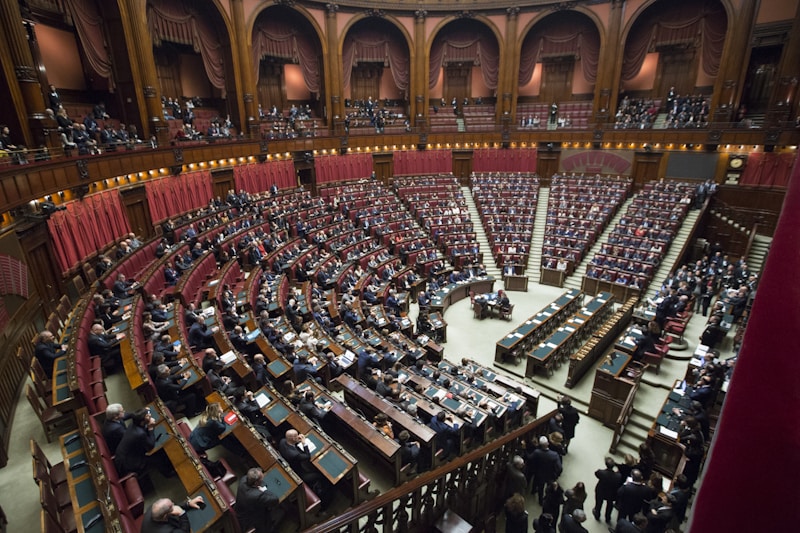
Faith and civil rights leaders met with U.S. senators on August 13, 2026, for an interfaith democracy roundtable in Washington, D.C. The gathering focused on protecting voting rights and honored the legacy of the late Congressman John Lewis.
Black faith leaders played a central role in organizing the event, which came during a period of heightened concern about voter suppression legislation. The roundtable brought together religious figures from multiple traditions alongside elected officials to discuss the intersection of faith and civic participation.
The event was part of a broader mobilization effort by Black faith leaders ahead of the November 2026 midterm elections. The Rev. Dr. William J. Barber, founder of Repairers of the Breach, has called for 1,000 marches to the polls nationwide to counter what he describes as legislative attempts at voter suppression.
Earlier in August, on August 3, faith leaders and activists held a Moral Mondays rally in Washington, D.C., to protest voter suppression bills and advocate for economic protections for working families.
The Interfaith Alliance, which helped coordinate the August 13 roundtable, said the event drew on the tradition of the Civil Rights Movement, when Black churches served as organizing centers for social change. Leaders framed their political engagement as a moral imperative, arguing that the church must act as a conscience for the nation.
The 61st anniversary of the Voting Rights Act of 1965 was observed on August 6, providing additional context for the August gatherings. Leaders explicitly linked current legislative debates to historical patterns of disenfranchisement.