Fed Holds Rates Steady as Inflation Reaches Three-Year High
Annual inflation reached 4.2 percent for the 12 months ending in May 2026, the highest level in three years. The Federal Reserve kept its benchmark rate in the 3.5 to 3.75 percent range, and analysts at Goldman Sachs say rate cuts are unlikely before 2027.
Annual inflation hit 4.2 percent for the 12 months ending in May 2026, the highest reading in three years. Energy prices drove most of the increase, accounting for about 60 percent of the monthly rise. Shelter and food costs also contributed.
The Federal Reserve responded by holding its benchmark interest rate in the 3.5 to 3.75 percent range at its June meeting. Updated projections from Fed officials suggest rate cuts are unlikely in 2026. Goldman Sachs analysts said they do not expect the first cut until 2027.
High interest rates have made borrowing expensive across the board. Mortgage rates remain elevated, keeping many potential homebuyers on the sidelines. Credit card interest rates are near record highs, making it harder for households carrying balances to pay down debt. Auto loan rates have also stayed high, adding to the cost of vehicle purchases.
Americans are feeling the pressure. A Gallup survey found that fewer Americans describe themselves as financially fulfilled than at any point in the past five years. Nearly half of U.S. adults reported difficulty affording necessary healthcare and medications, the worst reading in five years.
The Consumer Financial Protection Bureau has faced reductions in authority under the current administration. State regulators in Texas, New York, and Oregon have stepped up oversight of payment firms to fill some of the gap.
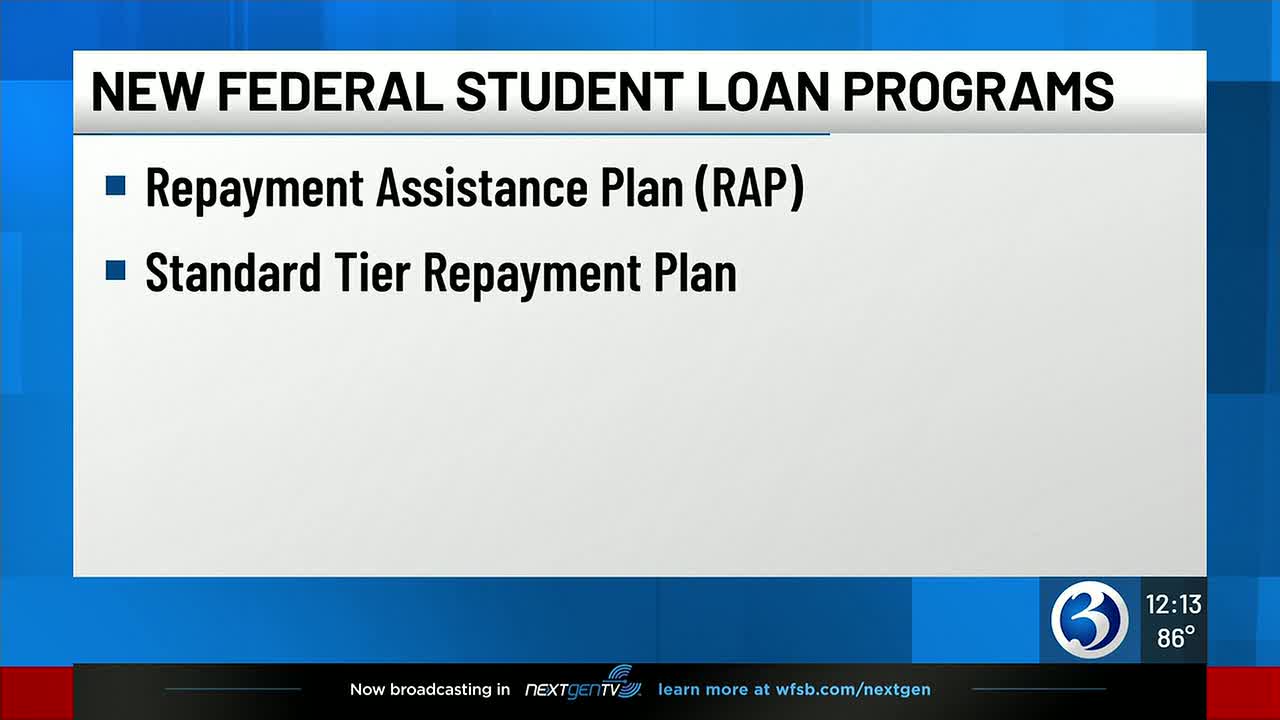
Financial advisors are recommending that households focus on building emergency funds, paying down high-interest debt, and avoiding new variable-rate borrowing. For people with federal student loans, the new Repayment Assistance Plan that took effect July 1 may offer lower monthly payments than previous income-driven options.