Fed Rate Cut Off the Table as Inflation Hits Three-Year High
Futures markets show a zero percent chance of a Federal Reserve rate cut at the July 29, 2026, meeting, with a 25 percent chance of a rate hike instead. Inflation reached 4.2 percent year-over-year in May, the highest level in three years. New Fed Chair Kevin Warsh held rates steady at 3.5 to 3.75 percent at his first meeting in June.
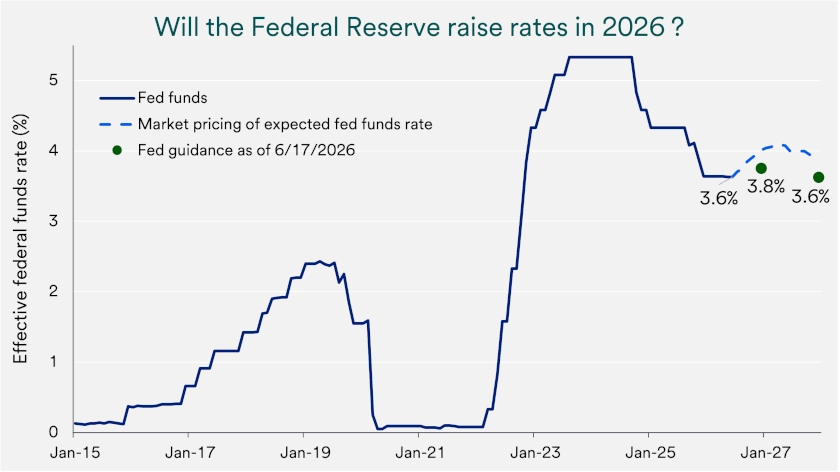
Futures markets put the odds of a Federal Reserve rate cut at the July 29, 2026, meeting at zero percent, according to the CME FedWatch Tool. The real question is whether rates will hold or go up. As of early July, markets show a 74.9 percent chance the Fed holds steady and a 25.1 percent chance of a quarter-point hike.
Inflation is the main reason. The Consumer Price Index rose 4.2 percent year-over-year in May, the fastest pace since April 2023. Energy costs drove more than 60 percent of the monthly increase, pushed higher by the conflict with Iran. Core inflation, which strips out food and energy, came in at 2.9 percent, still well above the Fed's 2 percent target.
New Fed Chair Kevin Warsh ran his first meeting on June 17 and held rates in the 3.5 to 3.75 percent range for the fourth consecutive meeting. The Fed's updated projections raised the median year-end 2026 forecast to 3.8 percent, up from 3.4 percent in March. Nine of 18 officials now project at least one rate hike before the end of the year.
For savers, the environment remains favorable. High-yield savings accounts at online banks are paying around 4.00 to 4.10 percent APY, far above the national average of 0.38 percent. Financial advisors say this is a good time to move cash into a high-yield account while rates stay elevated.
For borrowers, the picture is less encouraging. Credit card rates are unlikely to drop, and variable-rate debt will stay expensive as long as the Fed holds or raises rates. Advisors recommend paying down high-interest debt now rather than waiting for relief that may not come in 2026.
The next key data points are the June CPI report, due July 14, and the June jobs report. Another hot inflation reading would push the odds of a July hike higher.