Federal Reserve Holds Rates Steady as Inflation Hits 3.8 Percent
The Federal Reserve held interest rates steady at its June 2026 meeting as inflation rose to 3.8 percent over the 12 months ending in April, the highest annual increase since May 2023. Mortgage rates have climbed alongside inflation, with 30-year fixed rates averaging 6.92 percent in late May. Some former Fed officials say a rate hike may be needed if inflation does not ease.
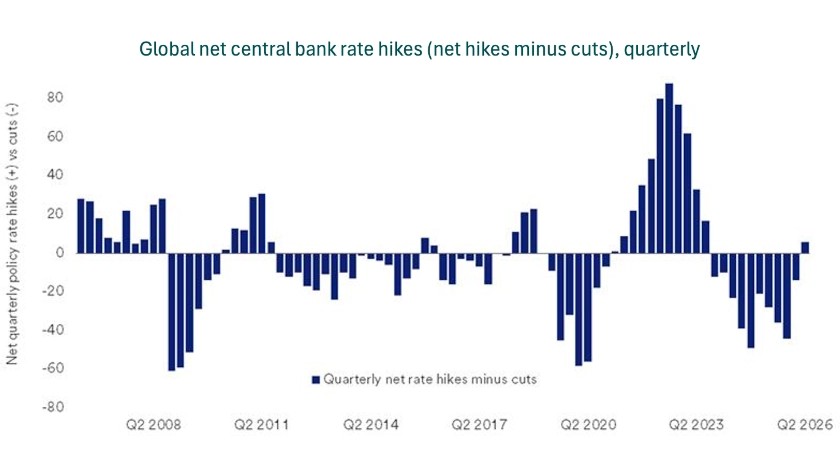
WASHINGTON — The Federal Reserve held interest rates steady at its June 2026 meeting, choosing to wait for more data as inflation climbed to 3.8 percent over the 12 months ending in April, the highest annual rate since May 2023.
Energy costs, particularly gasoline, drove much of the increase. Fed Chair Kevin Warsh said the central bank remains committed to price stability but is not yet ready to raise rates, citing uncertainty about whether the inflation spike will persist.
A survey of former Fed officials released by Duke University's economics department found that a growing number believe a rate hike may be necessary if inflation does not cool in the coming months. Markets have priced in a small but rising probability of a hike before year's end.
Mortgage rates have moved up alongside inflation. The 30-year fixed rate averaged 6.92 percent in late May, pushing more buyers toward adjustable-rate mortgages and contributing to a rise in mortgage application denials. Home affordability remains near its worst level in decades.
Credit card balances fell by $25 billion in the first quarter of 2026 to $1.25 trillion, a seasonal pattern as consumers pay down holiday debt. But credit card APRs remain near record highs, meaning any new borrowing is expensive.
Financial advisers are urging consumers to use the mid-year period to review their budgets, check emergency fund levels, and avoid taking on high-interest debt. For those with variable-rate loans, locking in a fixed rate before any potential hike could save money over time.