Federal Reserve Raises Rates to 3.75 Percent, October FOMC Meeting Eyed for Another Hike
The Federal Reserve raised the federal funds rate to a target range of 3.75 to 4.00 percent in September 2026, the first rate hike since 2023. Markets are now pricing in at least one more increase at the October 28 FOMC meeting as inflation remains at 3.4 percent. The rate environment is pushing mortgage rates above 7.3 percent and making variable-rate debt more expensive for consumers.
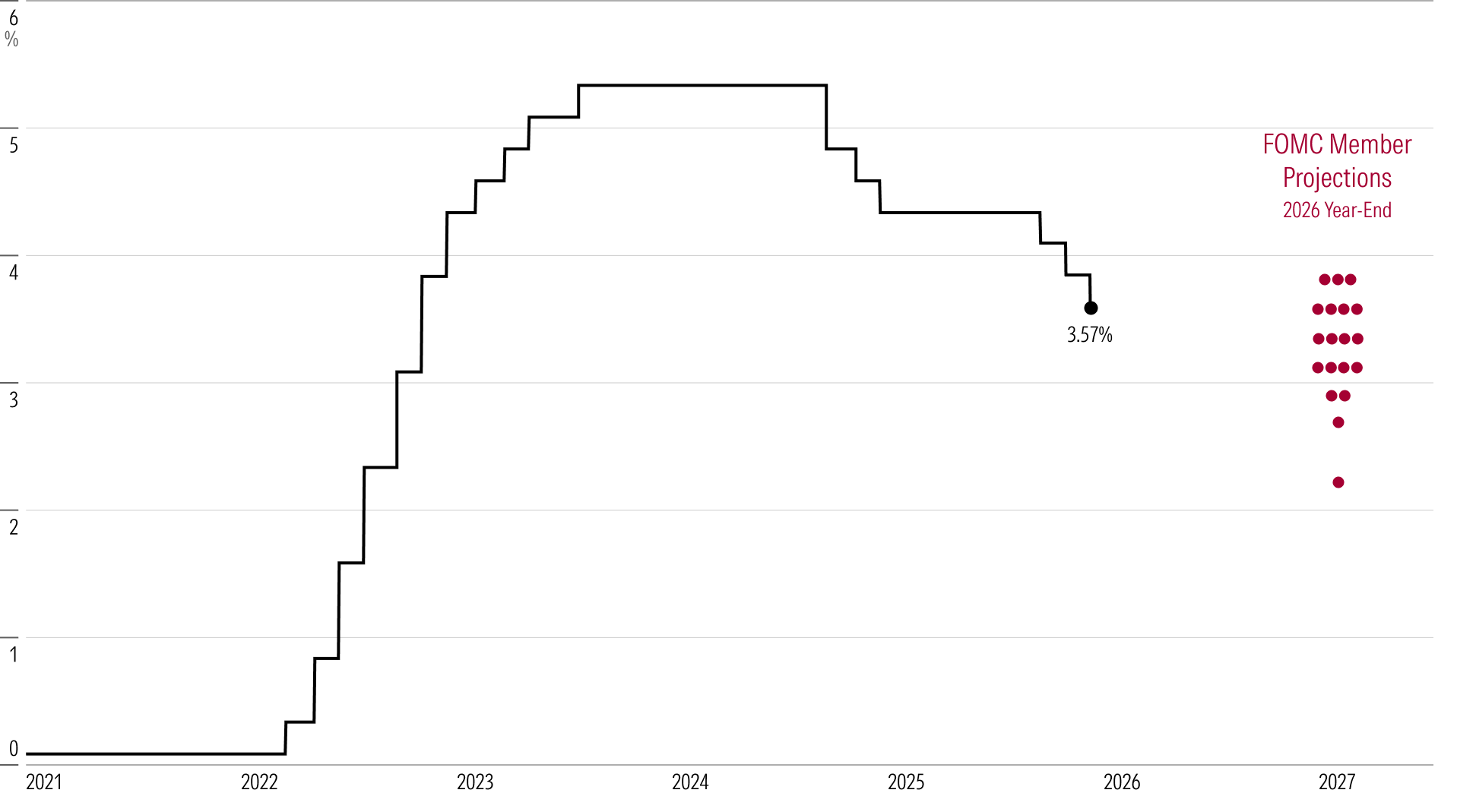
The Federal Reserve raised the federal funds rate to a target range of 3.75 to 4.00 percent in September 2026, marking the first rate hike since 2023 and signaling a shift back toward tighter monetary policy as inflation remains above the central bank's 2 percent target.
Annual inflation stood at 3.4 percent heading into October, driven in part by a surge in fuel costs tied to geopolitical tensions in the Middle East. Under Fed Chair Kevin Warsh, the committee has moved away from strict forward guidance, creating more uncertainty about the pace of future rate changes.
Markets are now pricing in at least one more 25-basis-point increase at the October 28 Federal Open Market Committee meeting, which would bring the target range to 4.00 to 4.25 percent. The December meeting is seen as an alternative window if the committee holds in October.
For consumers, the rate environment is already having a direct impact. Mortgage rates have climbed to approximately 7.3 percent, near three-year highs, making home purchases more expensive and slowing refinancing activity. Variable-rate debt, including credit cards and home equity lines of credit, is also becoming more costly.
Financial advisors are recommending that consumers prioritize paying down high-interest variable-rate balances and consider locking in fixed-rate loans before any additional hikes. High-yield savings accounts and certificates of deposit are offering more competitive returns, with some online banks paying above 5 percent on short-term CDs.
Despite the rate pressure, consumer spending saw its largest monthly jump in a year during August, and second-quarter GDP growth was revised upward to 2.2 percent. Consumer confidence fell in September, however, as concerns about rising energy and food costs weighed on households.
The October 15 tax deadline is also approaching for individuals who filed for a six-month extension on their 2025 returns.


