Federal Student Loan Rules Overhaul Takes Effect July 1 Under New Repayment Plan
Major changes to the federal student loan system took effect July 1, 2026, under the One Big Beautiful Bill Act. The graduate PLUS loan program ended for new borrowers, income-driven repayment plans were replaced by a new Repayment Assistance Plan, and the autopay interest rate reduction increased from 0.25 percent to 1 percent.
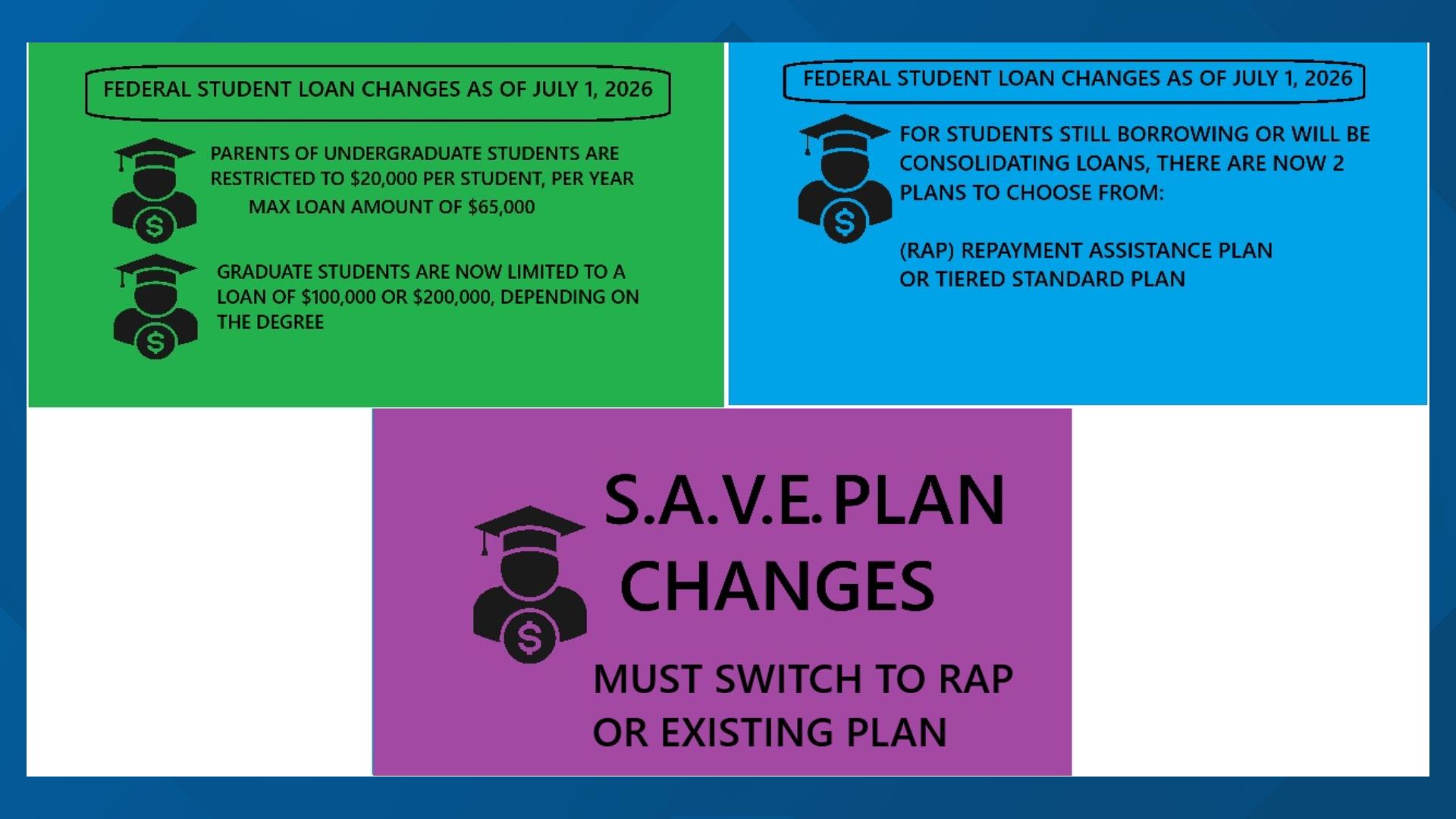
Major changes to the federal student loan system took effect July 1, 2026, following the enactment of the One Big Beautiful Bill Act. The overhaul affects new borrowers, current students, and people already repaying loans.
The graduate PLUS loan program ended for new borrowers. New annual and lifetime borrowing limits are now in place for graduate and parent PLUS loans. Income-driven repayment plans have been replaced by a new Repayment Assistance Plan, known as RAP. Borrowers currently on the SAVE plan received notices to select a new plan within a 90-day window.
The Department of Education increased the interest rate reduction for borrowers enrolled in autopay from 0.25 percent to 1 percent, effective July 1.
The transition has not been smooth. Borrowers reported technical glitches, including inaccurate payment estimates and missing plan information on federal loan servicer websites. A federal appeals court also required the Education Department to continue discharging loans for 500,000 borrowers under an existing settlement agreement, adding complexity to the rollout.
Annual inflation reached a three-year high of 4.2 percent for the 12 months ending in May 2026, driven largely by energy costs. The Federal Reserve held its benchmark interest rate in the 3.5 to 3.75 percent range at its June meeting, with analysts saying rate cuts are unlikely in the near term.
The IRS raised mileage rates for business, medical, and qualified moving expenses effective July 1 in response to higher fuel prices. Bipartisan senators have proposed a reform process to address Social Security's impending funding shortfall, while estimates for the 2027 Cost of Living Adjustment have trended downward as inflation shows signs of cooling.