Federal Student Loan Rules Overhaul Takes Effect July 2026
Major changes to the federal student loan system took effect on July 1, 2026, under the One Big Beautiful Bill Act. The graduate PLUS loan program has been eliminated for new borrowers, income-driven repayment plans are being replaced, and autopay discounts have increased.
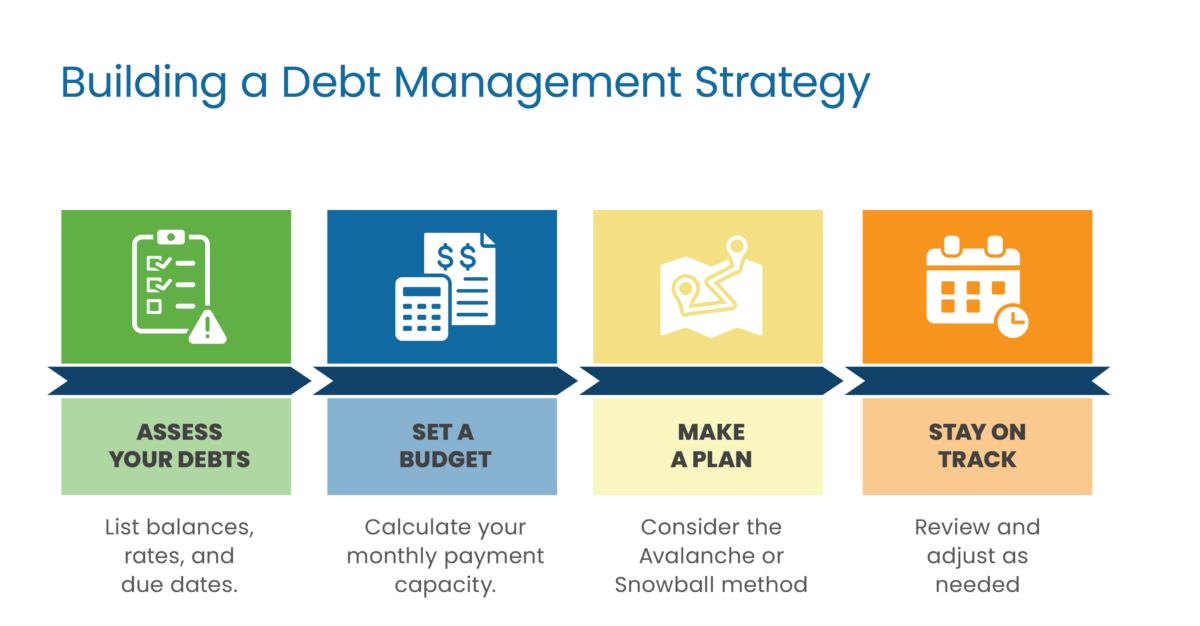
The federal student loan system changed significantly on July 1, 2026, when key provisions of the One Big Beautiful Bill Act took effect.
The most immediate change is the elimination of the graduate PLUS loan program for new borrowers. Graduate students who previously relied on PLUS loans to cover costs beyond standard limits will need to find other sources of funding. States including Minnesota and Connecticut have moved to expand their own loan programs to fill the gap.
Income-driven repayment plans are also being restructured. Several existing plans are being phased out and replaced by a new program called the Repayment Assistance Plan, or RAP. Borrowers currently enrolled in the SAVE plan received notices giving them 90 days to transition to a new option.
The Department of Education increased the interest rate reduction for borrowers who sign up for autopay. The discount rose from 0.25 percent to 1 percent for federal direct loans originated after July 1, 2012. Borrowers who are not already enrolled in autopay can sign up through their loan servicer.
New annual and lifetime borrowing limits have also been set for graduate and parent PLUS loans. The specific caps vary by program and borrower type.
Financial advisers say borrowers should review their current repayment plan and check whether they need to take action before the 90-day transition deadline. Those who do nothing may be automatically moved to a standard repayment plan, which could mean higher monthly payments.
The changes are the most significant restructuring of the federal student loan system in years and will affect millions of current and future borrowers.