Federal Student Loan SAVE Plan Ends, Borrowers Must Switch to New RAP
The federal SAVE income-driven repayment plan ended on July 1, 2026, under the One Big Beautiful Bill Act. Borrowers have 90 days to switch to the new Repayment Assistance Plan or they will be automatically placed on a standard repayment schedule.
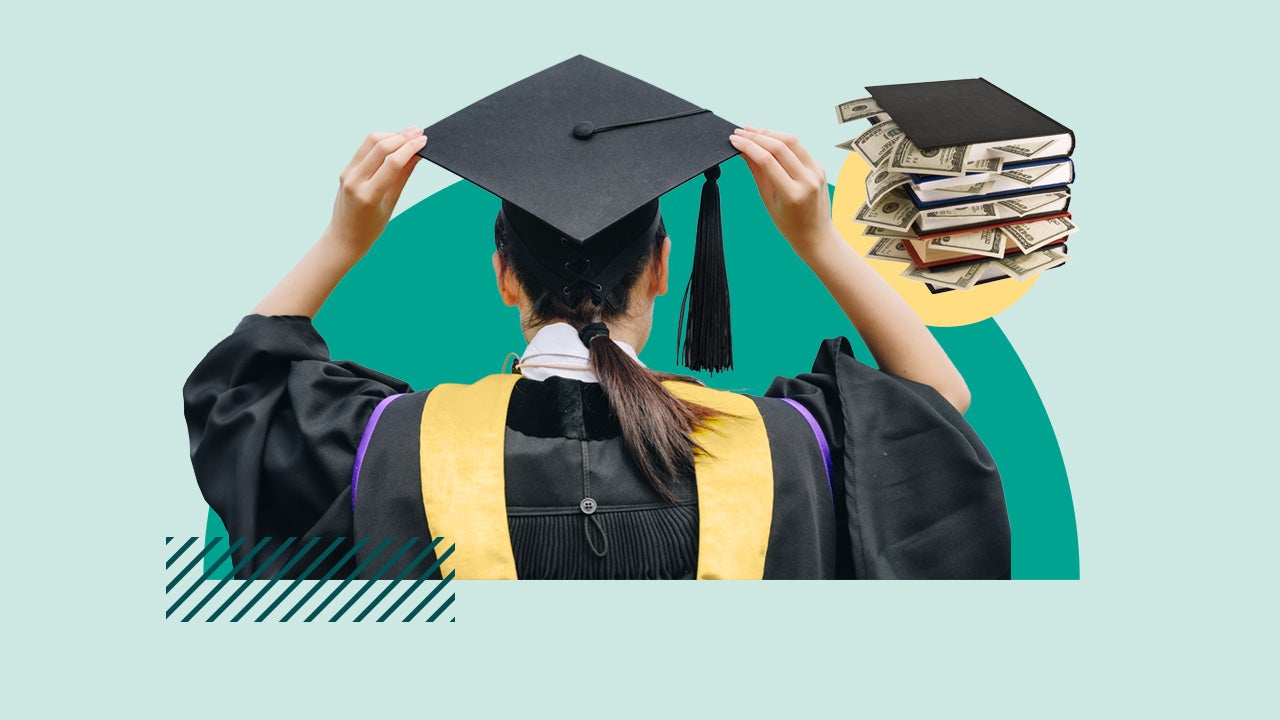
The federal Saving on a Valuable Education (SAVE) plan ended on July 1, 2026, following the enactment of the One Big Beautiful Bill Act. Borrowers currently enrolled in SAVE have 90 days from when their servicer contacts them to switch to a new repayment plan, or they will be automatically placed on the Standard or Tiered Standard Repayment Plan.
The new primary income-driven repayment option is the Repayment Assistance Plan (RAP). Monthly payments under RAP are based on a percentage of the borrower's adjusted gross income, ranging from 1 percent to 10 percent depending on income level, with a minimum payment of $10. Payments are reduced by $50 for each dependent claimed on federal tax returns.
RAP waives any interest that accrues beyond the monthly payment amount. If a monthly payment does not reduce the principal balance by at least $50, the government provides a subsidy to cover the difference. The repayment term for loan forgiveness under RAP is 30 years.
The Grad PLUS loan program has also ended for new borrowers as of July 1, 2026. New annual and lifetime borrowing limits are now in place for graduate and parent PLUS loans.
Borrowers who do not take out new loans or consolidate existing loans after July 1 may retain access to legacy plans like PAYE and ICR until those plans sunset in July 2028. Any borrower who takes out a new loan or consolidates after July 1 loses access to legacy plans and is restricted to RAP or the Tiered Standard Repayment Plan.
Forgiveness received through income-driven repayment plans may be subject to federal taxation for discharges occurring in 2026 or later, as the previous tax exemption is not expected to be extended.