Gallup Poll: 51 Percent of Americans Have Used Buy Now Pay Later, With Higher Rates Among Lower-Income Households
A Gallup poll released in 2026 found that 51 percent of Americans have used buy now, pay later services, with higher usage rates among lower-income households. Total household debt reached $18.8 trillion in the first quarter of 2026, while credit card balances fell by $25 billion to $1.25 trillion due to seasonal patterns after holiday spending.
<p>A Gallup poll released in 2026 found that 51 percent of Americans have used buy now, pay later services. Usage rates are higher among lower-income households. Financial experts warn that BNPL can lead to cycles of debt if not managed carefully.</p>
<p>The poll results come as total household debt reached $18.8 trillion in the first quarter of 2026. Credit card balances fell by $25 billion to $1.25 trillion during the same period, but that decline reflects seasonal patterns following holiday spending rather than a sustained reduction in debt.</p>
<p>Credit card annual percentage rates remain near record highs. The Consumer Price Index rose 3.8 percent over the 12 months ending in April 2026, the largest annual increase since May 2023. Energy costs, particularly gasoline, which rose 28.4 percent, and shelter costs were the primary drivers.</p>
<p>BNPL services allow consumers to split purchases into installment payments, often with no interest if paid on time. Critics say the ease of use can lead people to take on more debt than they realize, particularly when using multiple BNPL services simultaneously.</p>
<p>Financial advisors recommend treating BNPL payments the same as any other debt obligation. Tracking all active BNPL agreements, setting payment reminders, and avoiding using the services for non-essential purchases are standard recommendations.</p>
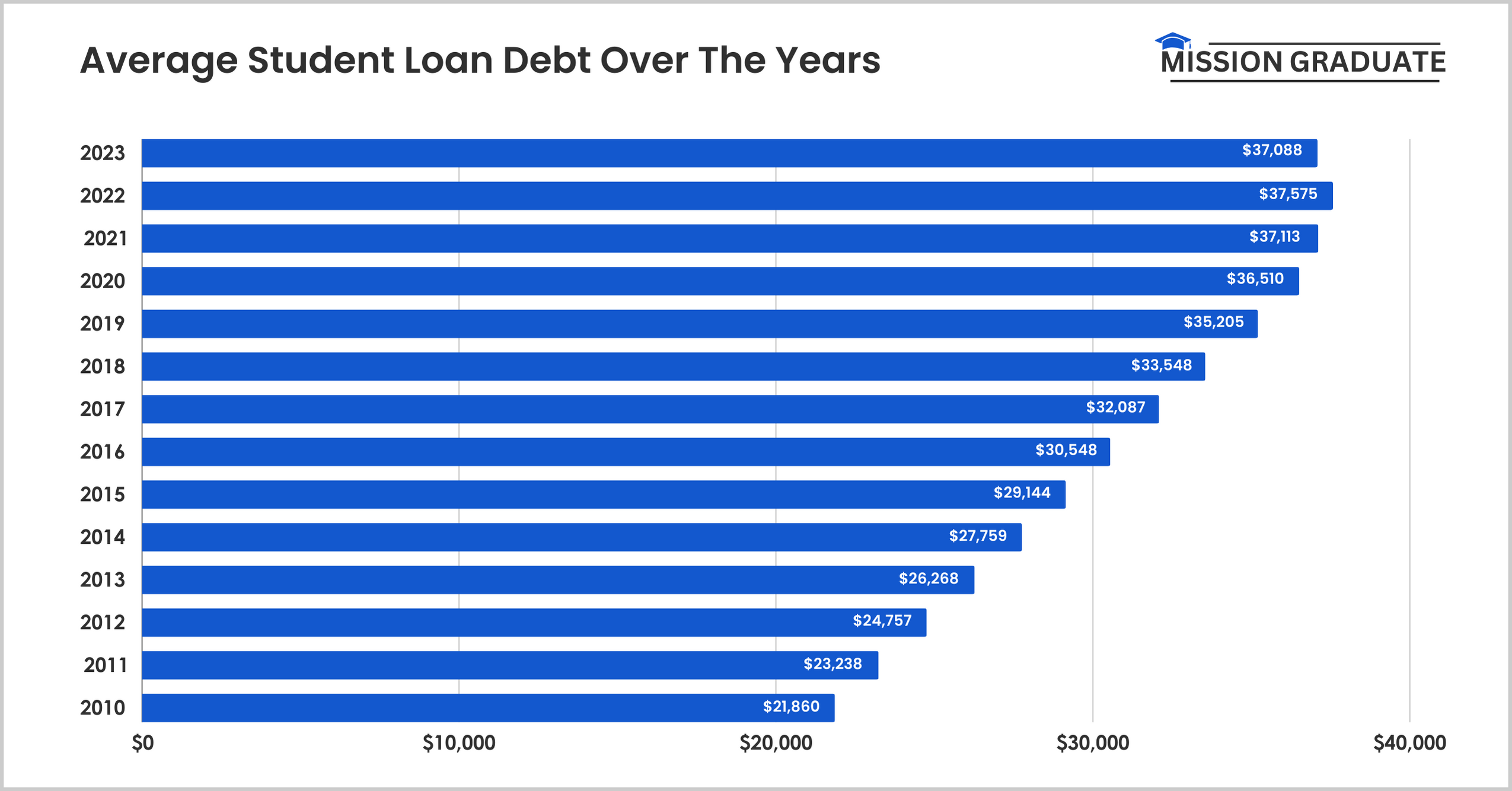
<p>The broader debt picture includes 2.6 million federal student loan borrowers who entered default in the first quarter of 2026, following the end of pandemic-era protections. Defaulted borrowers saw an average credit score drop of 91 points and face risks of wage garnishment and tax refund seizure.</p>