Gold Jumps 4 Percent to 4522 Per Ounce After Treasury Bond Announcement
Gold spot prices rose 4.17 percent to 4,522.77 dollars per ounce on August 20, 2026, after the U.S. Treasury announced plans to purchase long-term bonds. The move pushed benchmark Treasury rates lower, reducing the holding cost of non-yield-bearing assets like gold. Silver also surged 8.52 percent to 68.35 dollars per ounce on the same day.
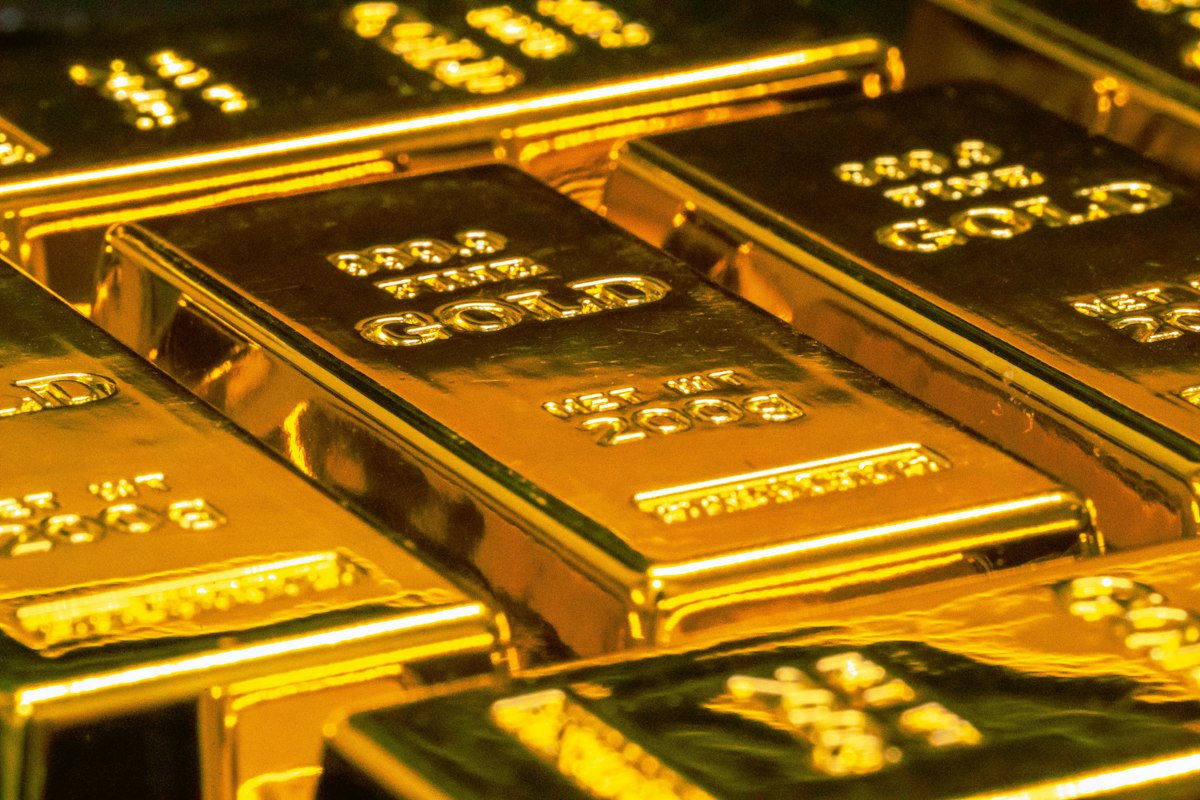
Gold spot prices jumped 4.17 percent to $4,522.77 per ounce on August 20, 2026, after the U.S. Treasury announced plans to purchase long-term bonds, a move that pushed benchmark Treasury rates lower.
Gold December futures opened at $4,580 per troy ounce that morning, marking a 0.8 percent increase from the prior day's close. The rally was driven by the Treasury announcement and the release of Federal Open Market Committee meeting minutes, which reinforced expectations that interest rates would remain elevated for longer.
Lower Treasury rates reduce the opportunity cost of holding gold, which pays no yield, making the metal more attractive to investors seeking a store of value.
Silver also surged on August 20. Spot prices reached $68.35 per ounce by midday, an 8.52 percent increase from the prior close of $62.99. Silver's larger percentage gain reflects its higher volatility compared to gold, partly due to its significant industrial applications.
Market analysts cautioned investors to consider the broader economic environment when navigating precious metal price swings. Matthew McKay of Briaud Financial Advisors suggested limiting precious metal allocations to between 5 and 20 percent of a total portfolio to achieve diversification without excessive risk.
Investors continue to use various vehicles to gain exposure to gold and silver, including physical bullion, exchange-traded funds, and mining stocks. Gold and silver IRAs remain an option for those seeking tax advantages, provided they use IRS-approved facilities and meet purity requirements.
Some analysts remain bullish on the long-term potential of precious metals, while others anticipate a period of range-bound pricing as markets absorb recent economic data.