Google Commits 15 Billion Dollars to AI Infrastructure in Finland Including Nuclear Power Deal
Google has committed approximately $15.1 billion to AI infrastructure in Finland, including a significant nuclear power agreement to supply clean energy to its data centers. The investment is one of the largest single-country AI infrastructure commitments by a US tech company.
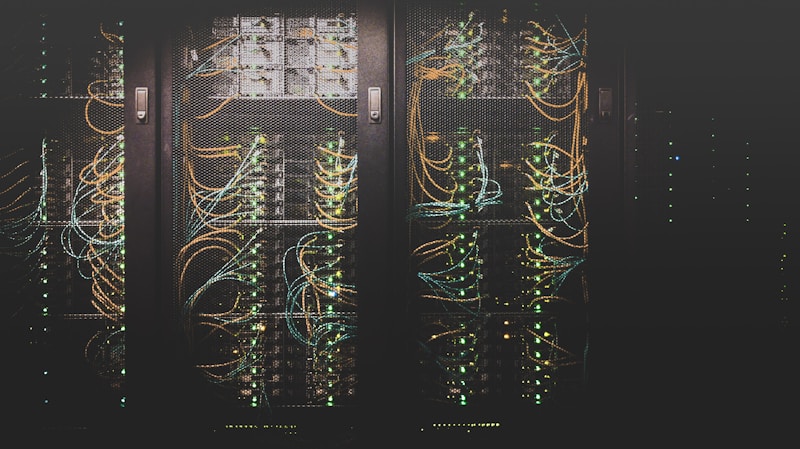
Google has committed approximately $15.1 billion to artificial intelligence infrastructure in Finland, including a significant nuclear power agreement to supply clean energy to its data centers.
The investment is one of the largest single-country AI infrastructure commitments by a US technology company and reflects the enormous energy demands of running large-scale AI systems.
Data centers that power AI workloads consume vast amounts of electricity. Nuclear power, which produces no carbon emissions during operation, has become an attractive option for tech companies trying to meet both their energy needs and sustainability commitments.
The Finland investment is part of a broader wave of AI infrastructure spending by major technology companies. Nvidia has been targeting 2 gigawatts of data center capacity in Australia by 2027. Crusoe raised over $3 billion at a $30 billion valuation to expand its neocloud infrastructure.
The scale of investment reflects the competitive pressure companies face to secure compute capacity. AI training and inference workloads require specialized hardware and reliable power, and demand is outpacing supply in many markets.
Finland has positioned itself as an attractive location for data centers due to its cool climate, which reduces cooling costs, its stable political environment, and its access to renewable and nuclear energy.
The Google commitment is expected to create thousands of jobs in Finland and support the country's broader technology sector.
The deal comes as governments worldwide are treating AI infrastructure as a national security asset. European officials have been debating how to reduce dependence on US cloud providers while maintaining access to the compute capacity needed to remain competitive in AI development.